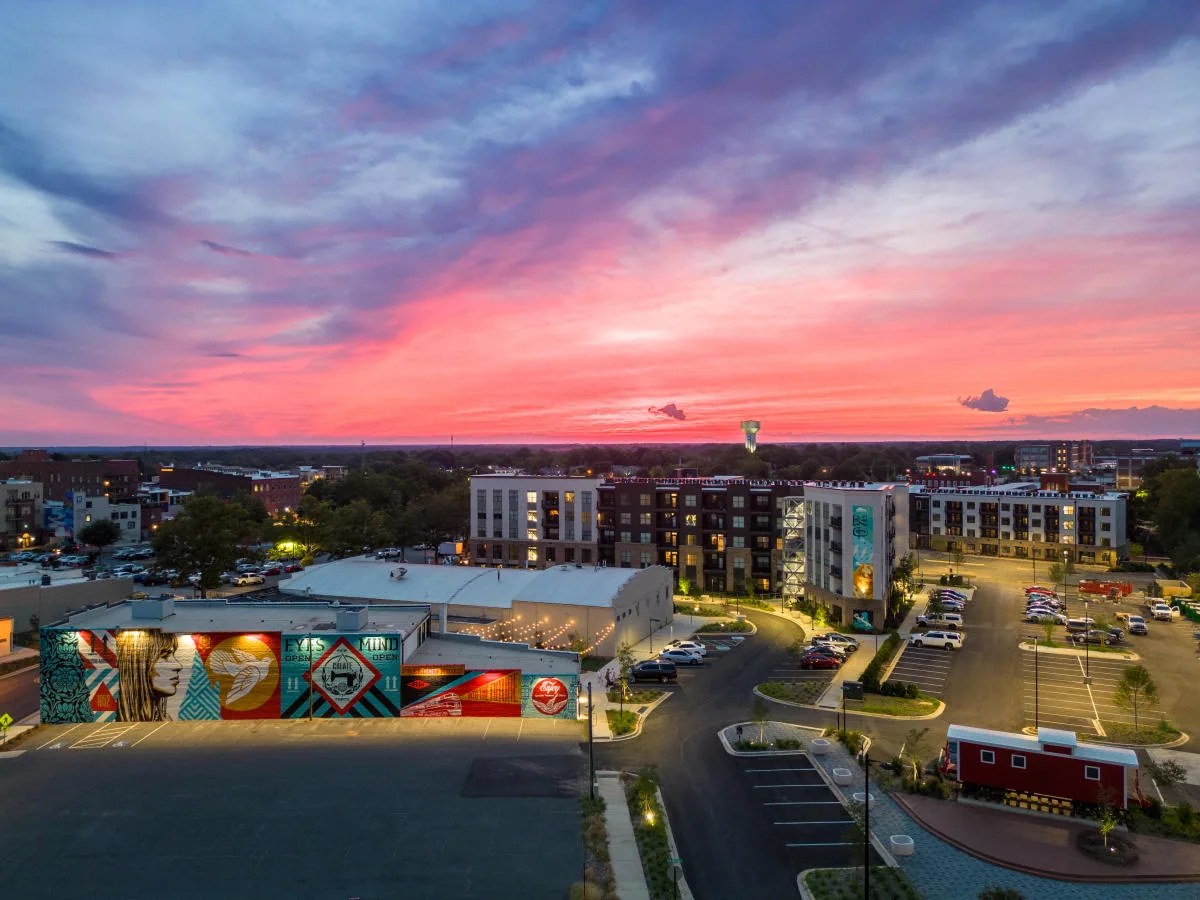
Roof inspections, leak repair, and renewal planning for Steele Creek commercial properties, with scopes based on observed conditions and access.
A commercial roof in Steele Creek needs a property-specific inspection before a repair method is selected. This southwest Charlotte district adjoins Fort Mill and the South Carolina line, placing it within the regional connection between Charlotte and Rock Hill along I-77 and US 21. We inspect the actual assembly, access, and reported water path. Nearby work includes Pineville and Fort Mill, with separate roof records for each property.
Confirm the Assembly and Reported Condition
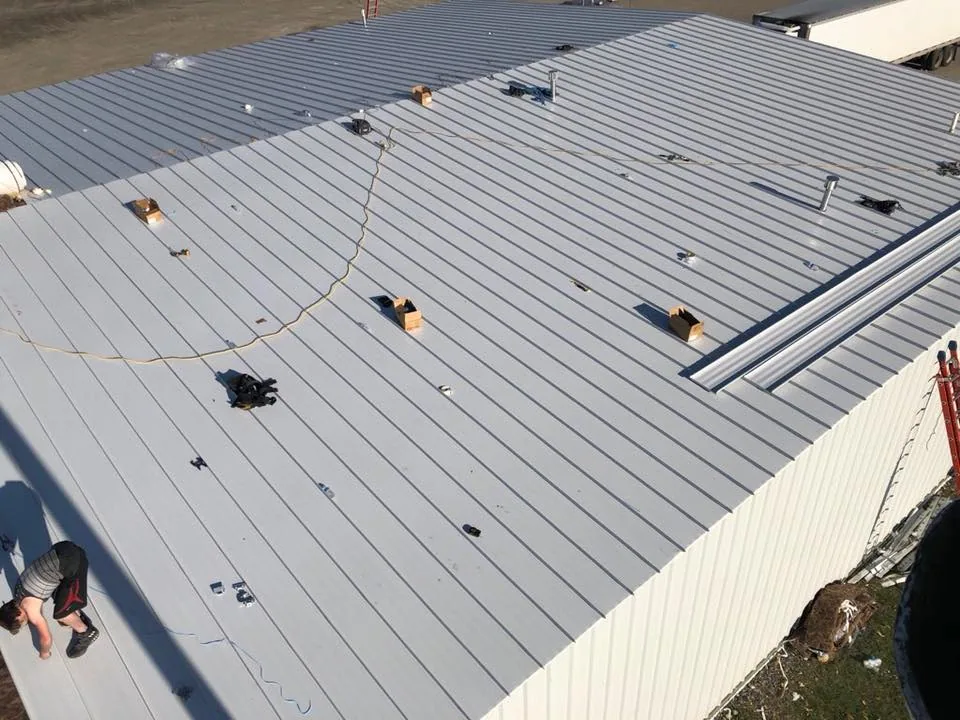
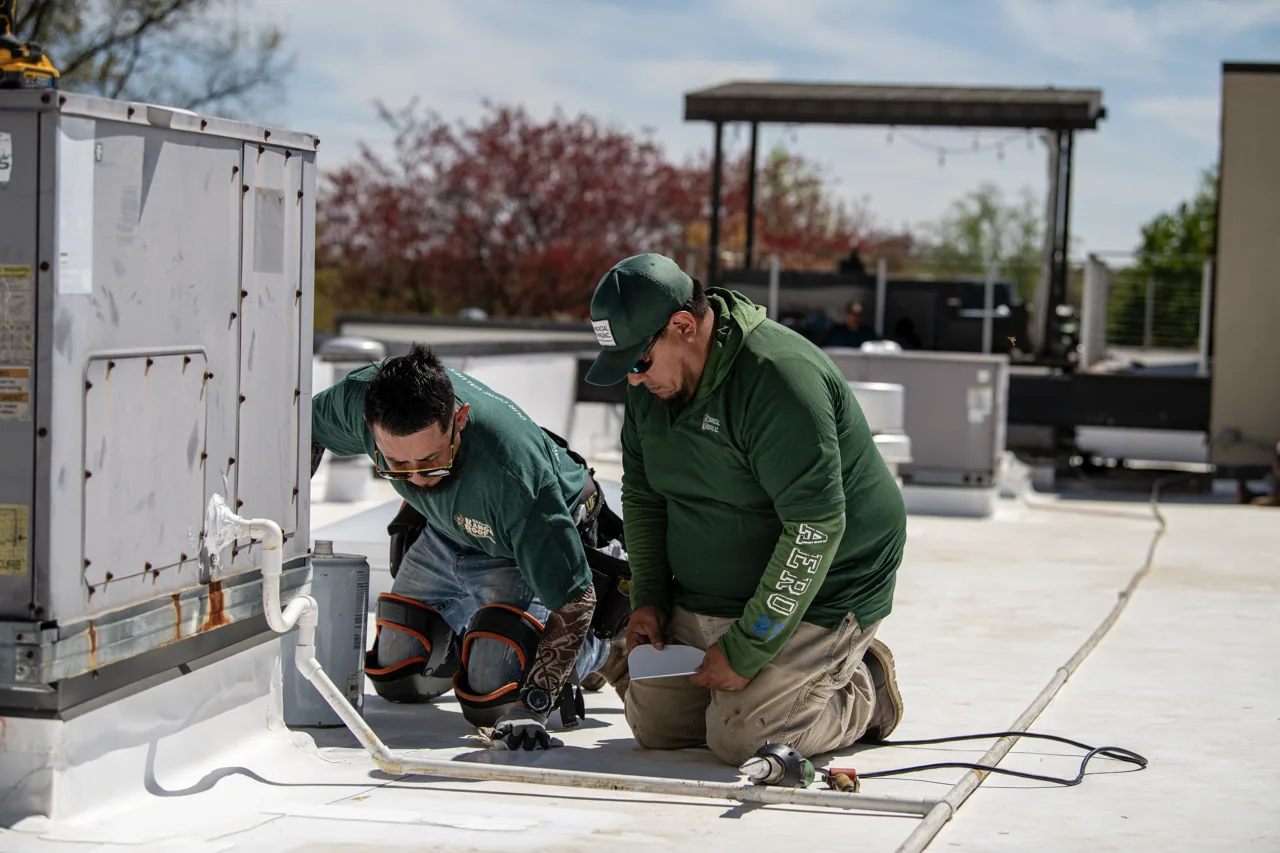
We begin by locating the symptom and noting when it appeared, what room or work area is affected, and whether rooftop equipment or construction changed. The roof walk follows accessible membrane, metal, seams, penetrations, edge conditions, drains, and earlier repairs. A commercial roof inspection records what was reached and identifies any area that needs added access or testing.
I-77 and US 21 provide the north-south regional link from Charlotte through Fort Mill toward Rock Hill. On a Steele Creek property, confirm the roof assembly, construction details and entry procedure during the first site walk. We compare owner drawings and maintenance files with the surface. If layers differ across an addition, the change is marked before the repair boundary is set.
Interior water can travel across a deck before it appears below. We compare the reported location with roof slope, lap direction, drains, curbs, and wall transitions instead of assuming that the nearest opening is responsible. A roof leak review shows which detail lines up with field evidence and whether a possible route still needs a test or another inspection point.
Check Outlets and Perimeter Details
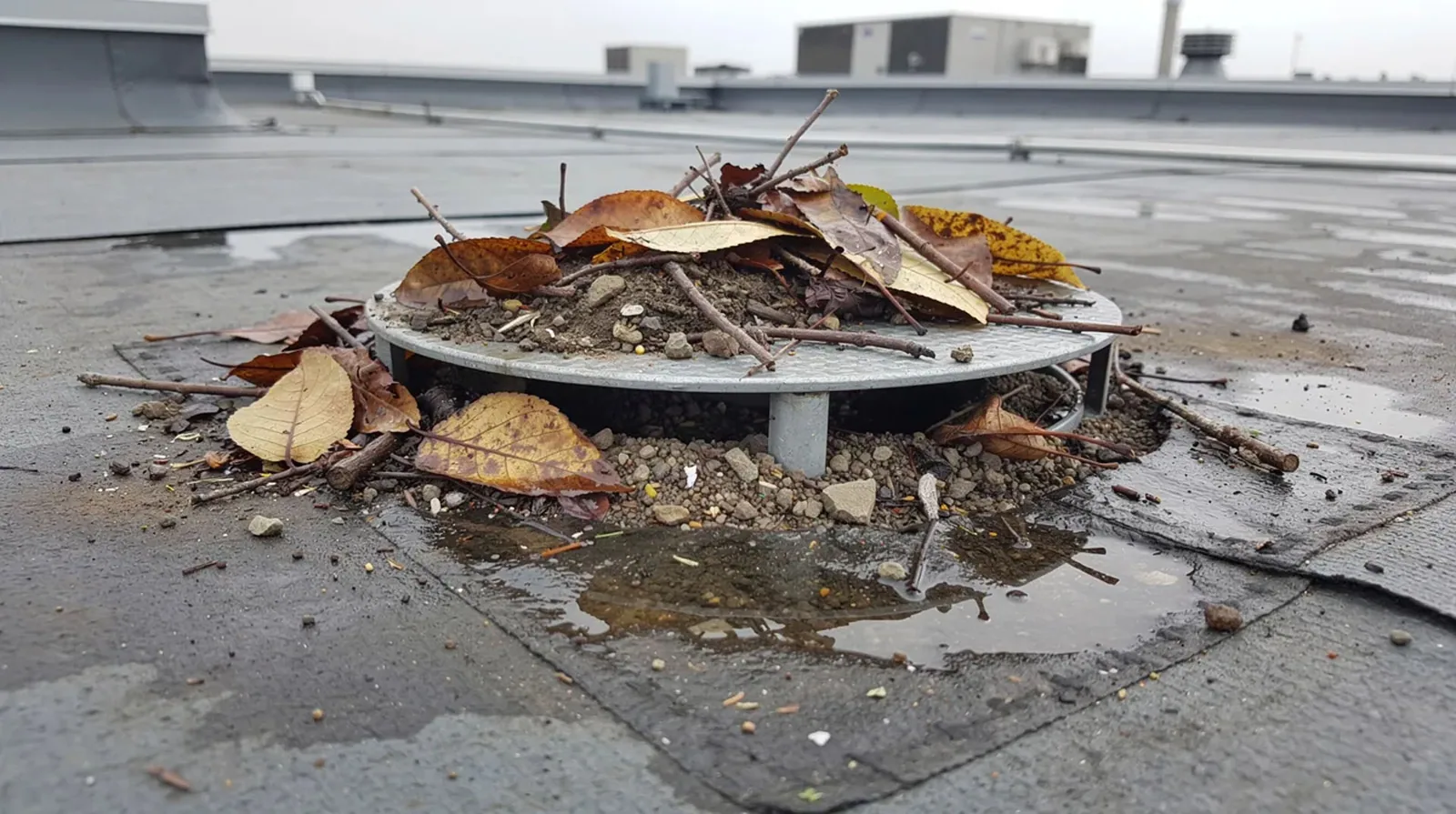
Each drain, scupper, and gutter is reviewed as a connection: opening, flashing, surrounding membrane, overflow path, and visible discharge. We look for a blocked bowl, a separated tie-in, or a low area, since each condition calls for a different correction. A drainage repair addresses a verified roof detail. If the discharge line is concealed, our report states that the surface inspection cannot establish its interior condition.
At a roof edge, we check membrane termination, coping joints, fasteners, and flashing laps for movement or separation. Around a curb or penetration, we look at corners, patches, and attachment where accessible. Use the ceiling mark to locate the area for tracing, then inspect water paths, penetrations, drains and seams to find the entry point. We document what was observed and whether the apparent entry route remains uncertain.
Rock Hill's climate is warm and humid with regular rainfall through a long warm season. That market-level pattern informs how temporary protection is planned if roof work pauses. It cannot establish damage on a Steele Creek property. The actual assembly, slope, drainage, and material exposed during inspection determine whether water management, seam repair, or a different correction belongs in the scope. We also note whether overflow routes are visible and whether a blockage appears limited to the roof surface. Those observations can direct maintenance without assigning a cause to concealed piping.
Coordinate the Property Work Sequence
Before setting a crew route, we confirm roof entry, delivery access, lift placement, material staging, and any walkway or operating area that must stay open. The Charlotte-to-Rock Hill corridor gives the regional travel context; it does not replace the property contact's instructions. The plan identifies where protection is needed below, which roof area is active, and who can approve additional work.
Occupied buildings may need phased work so a limited section is exposed at a time. The sequence changes with weather, surface preparation, material cure, and conditions found beneath the top layer. We describe the closure method for each active zone and the stop point if a new condition appears. If removal exposes wet insulation or a compromised deck, we document it and wait for authorization before expanding the repair.
The neighboring Fort Mill and Rock Hill employment base includes distribution, manufacturing, healthcare, retail, and office operations. These regional uses can make deliveries, interior protection, or access limits important questions, but we confirm what applies at the Steele Creek building instead of assigning it an assumed use. A phased work plan can record confirmed restrictions and identify how the next roof zone will be opened and closed.
Select the Right Level of Roof Work
An isolated defect may suit a patch when the surrounding surface is stable and can accept a compatible tie-in. Repeated leak reports, loose attachment, broad moisture, or several deteriorated transitions may warrant added testing or comparison with renewal. A repair scope identifies the material, preparation, access, protection, roof zone, and limit of completed work. The recommendation names any section that was not inspected.
Cost and schedule reflect the system, repair size, number of penetrations or edges, staging, lift access, disposal, protection below, and concealed conditions. A recover proposal requires confidence in retained layers, attachment, drainage, and insulation. Replacement includes removal and closure steps that affect both labor and site coordination. We list assumptions before the owner compares a patch, test, recover, or new assembly.
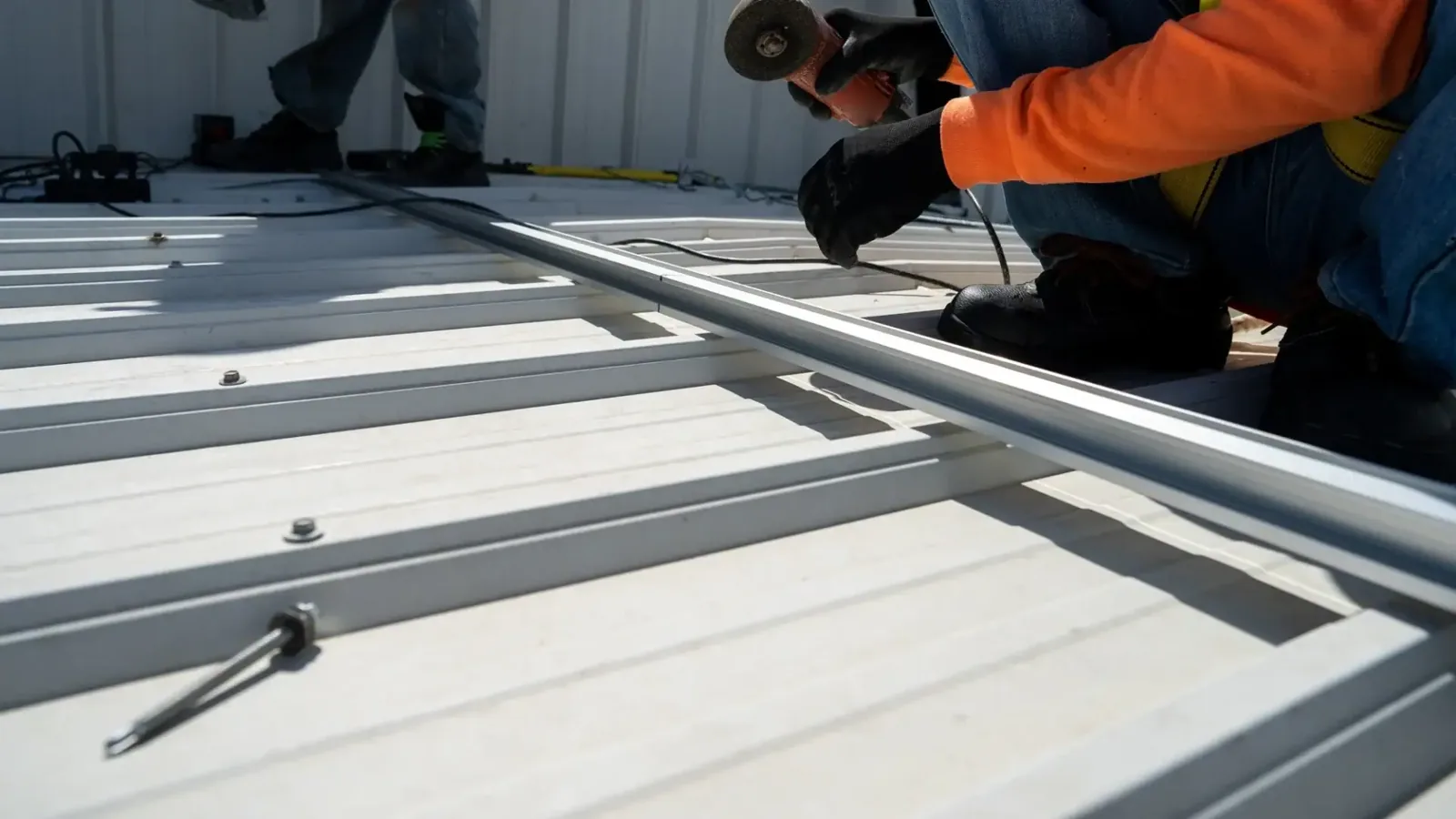
For coated or recovered roofs, surface preparation and compatibility matter as much as the product selected. We inspect whether seams, flashing, wet areas, and attachment can be corrected before applying another layer. A coating is not a substitute for correcting active leakage or an unstable base. When an infrared survey or test cut could change the choice, we state what it can establish and how its limited result will be used.
Record What the Roof Team Completed
Closeout ties the repair to a roof zone and identifies visible conditions, material installed, photographs, and access limits. Where a drawing is available, we use its labels to place the field findings. The record separates completed correction from future testing or a proposal still awaiting approval, so a manager can hand off the right boundary after a staffing or contractor change.
For a Steele Creek inspection, share the building's use, reported symptom, roof plan, prior repairs, equipment work, and access instructions. Those details help determine the first inspection route and any need for interior protection. The Fort Mill and Rock Hill corridor provides regional context; recommendations remain specific to the surface and conditions observed at the property being evaluated. A drone survey can add overview images when direct sightlines are limited, while infrared review can help identify patterns that warrant closer examination. Neither method replaces field interpretation or confirms concealed damage by itself. We tie any image or scan to the area examined, compare it with visible details, and list where access or a test remains necessary. That gives an owner a record of what the tool showed and what it could not answer.
Questions About Steele Creek, Charlotte
No. The corridor links the region, while delivery, lift placement, escorts, and roof entry depend on each property. We confirm those rules before scheduling the work route.
We compare the reported symptom with visible roof details and the condition of adjacent material. If another test could change the scope, we explain its purpose and boundary.
We protect the opening, photograph the condition, and present the added area to the authorized contact. Work expands only after that boundary is approved.
Yes. We can define separate roof zones, protection, access, and closure points. Weather and hidden conditions may change the sequence, so each phase keeps a clear stop point.
Plan a Commercial Roof Inspection in Steele Creek
Share the property use, roof plan, reported issue, previous repairs, and access limits. We will define an inspection route and prepare a scope tied to the conditions found.