
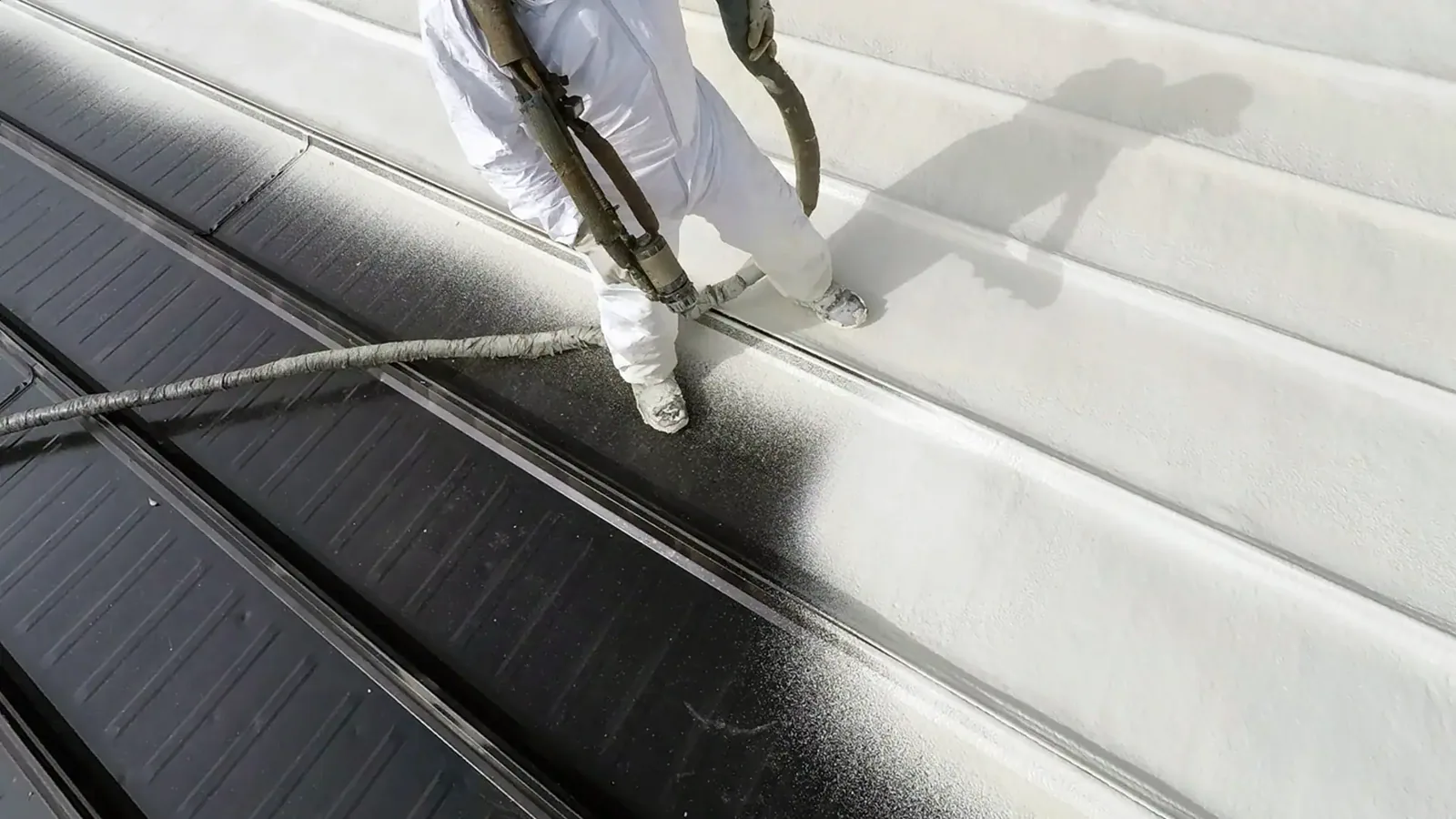
Repair or renew a commercial SPF roof in Rock Hill with foam-condition, protective-coating, drainage, and penetration checks by roof zone.
Spray polyurethane foam forms a continuous roof layer, but the protective coating above it has to remain intact. We inspect coating wear, exposed foam, drains, penetrations, and prior repairs before setting an SPF repair boundary. In Rock Hill's humid Piedmont climate, recurring rain can exploit a split in the surface and reach foam that should stay protected. The city's commercial portfolio spans technology and industry, with TechPark and Waterford among its named employment parks. Those district uses do not tell us which buildings have foam roofs. A property near Riverwalk Business Park or along the Celanese Road corridor needs an assembly-specific inspection before coating or foam work is planned.
Inspect the Protective Coating
We look for thin or worn coating, cracks, blisters, open laps, punctures, and areas where foam is exposed. The coating protects the foam from weather and foot traffic, so a breach needs prompt review. We check around equipment routes, curbs, drains, and previous patches where movement or service work can damage the surface. The inspection marks each area and notes whether the foam beneath appears sound or needs further evaluation.
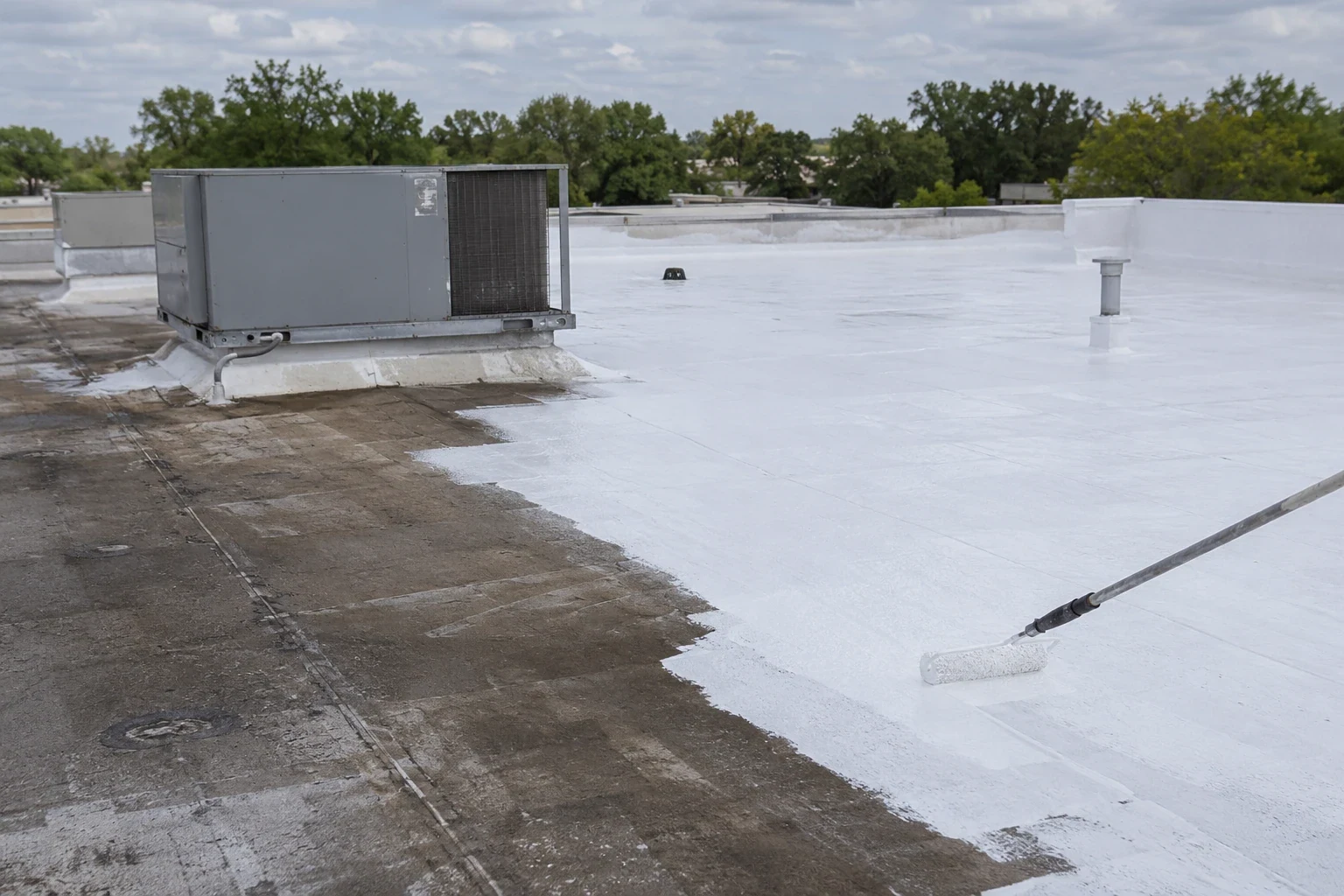
Surface texture and coating color can vary with product and maintenance history. We identify the system where records or visible details allow and avoid assuming a coating type from appearance alone. A new coat should bond to a clean, stable surface and follow the product's preparation requirements. If the foam is wet, degraded, or separated from its substrate, covering it may hide a defect rather than correct it. A test opening or moisture survey may be appropriate when the condition below the coating is uncertain.
Check the Foam Layer and Drainage
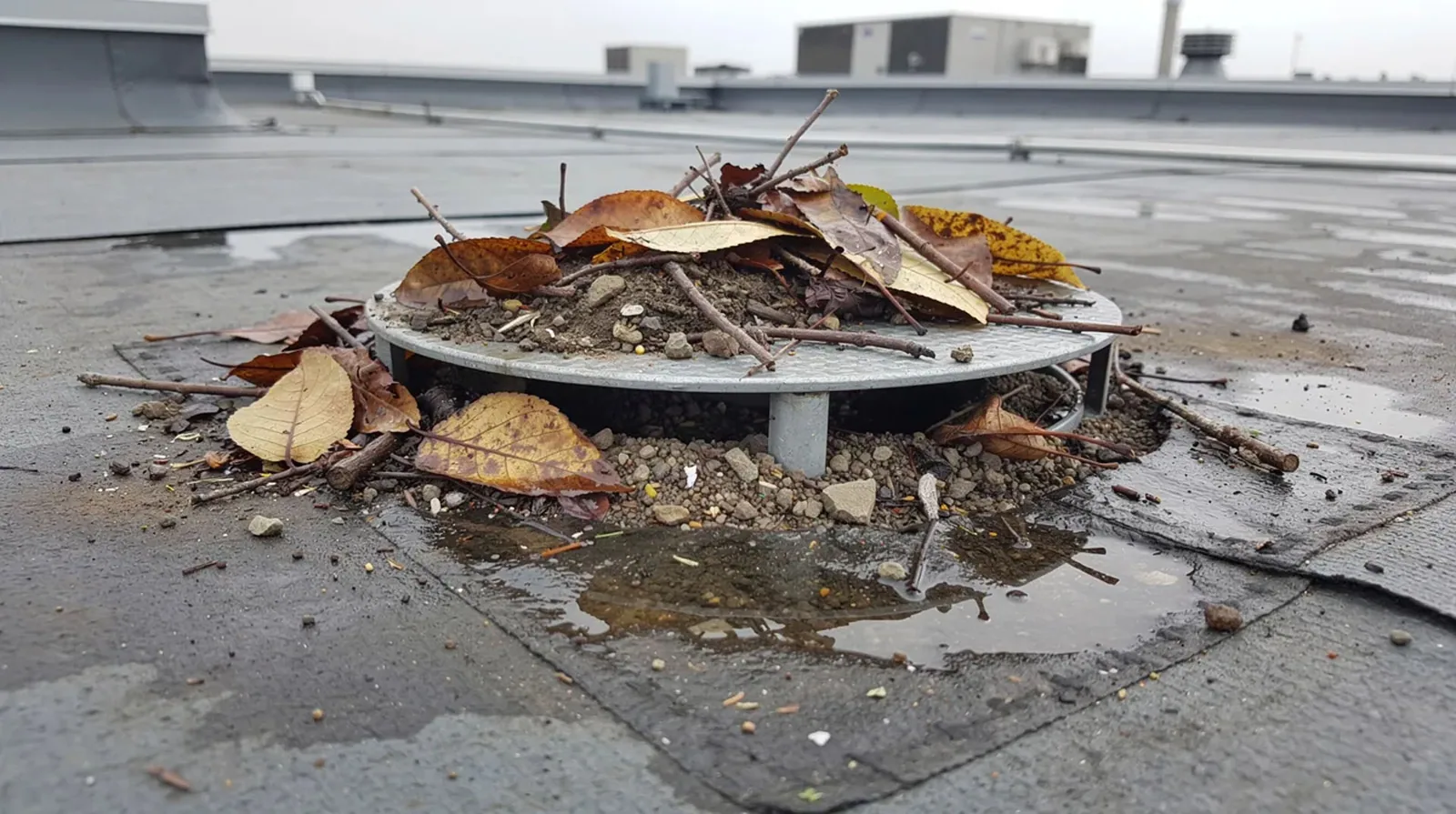
At an opening, we examine whether the foam remains bonded and firm and whether moisture or deterioration extends beyond the visible breach. SPF can be shaped to direct water toward drains, but a blocked bowl or damaged outlet can still leave standing water. We inspect the surface slope, drain tie-in, scuppers, and discharge route. If the foam has been cut for equipment or other work, we check that the opening was closed and the coating restored around the detail. A shallow depression may hold water even when the drain is clear, so the roof shape and outlet need separate observations. Thickness can change across the roof, and an abrupt step may collect debris or conceal a cut. We mark those geometry changes for repair review.
Rock Hill's rainfall makes water management important at the coating and foam layers. A leak may begin at a penetration or seam and travel before appearing inside. We follow the likely water path and identify what could be seen without opening the assembly. A drain and scupper repair can address a damaged outlet tie-in, while a leak investigation can trace the reported interior symptom. The written findings keep visible conditions separate from layers that remain concealed.
Repair Foam and Restore the Coating
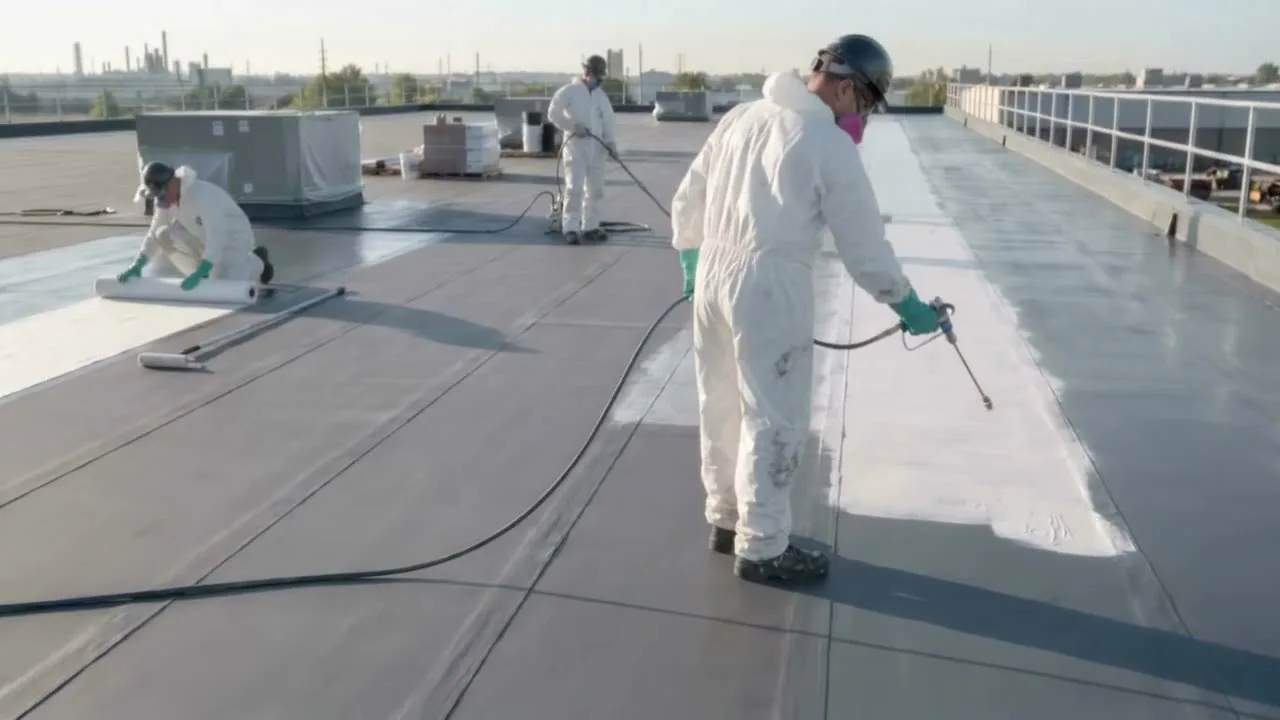
A repair removes loose or damaged foam to a sound boundary, fills or reshapes the affected area with compatible material, and restores the protective coating. The new foam must tie into the surrounding layer without leaving a ridge that holds water. Coating is extended over the repair as specified and detailed around penetrations, drains, and edges. If multiple layers are wet or the deck is compromised, the owner needs that condition documented before a local repair is approved.
Repair sequence depends on the size and depth of the damaged area, surface preparation, weather, and the coating cure requirements. The roof must be dry enough for the selected materials and the work zone protected until closure. A silicone coating or acrylic coating may be considered only if it is compatible with the existing SPF assembly. Product selection and application follow the chosen system's requirements. We protect repaired foam from foot traffic and keep the edge sealed until the finish is ready. Cost and timing reflect access, material depth, coating coverage, and any separate drainage or flashing correction.
Compare Repair with Renewal
Localized coating wear can often be addressed without replacing the foam layer, but widespread coating failure or wet foam may change the scope. We map the visible condition, identify any test area, and explain what the findings support. A coating renewal is appropriate only when the substrate can accept it. If removal or broader reconstruction is needed, the owner receives the reason and the affected boundary before the project changes direction.
Knowledge Park joins downtown Rock Hill with Winthrop University in a mixed-use district that includes technology firms, creative companies, and entrepreneurs. For staging, we coordinate with the facility contact; at the roof, we verify the foam and coating before choosing preparation. We verify the foam and coating at the property. A hands-on roof inspection can document accessible zones before work, while replacement planning can compare a broader assembly when the foam cannot remain.
Protect the Repair Between Visits
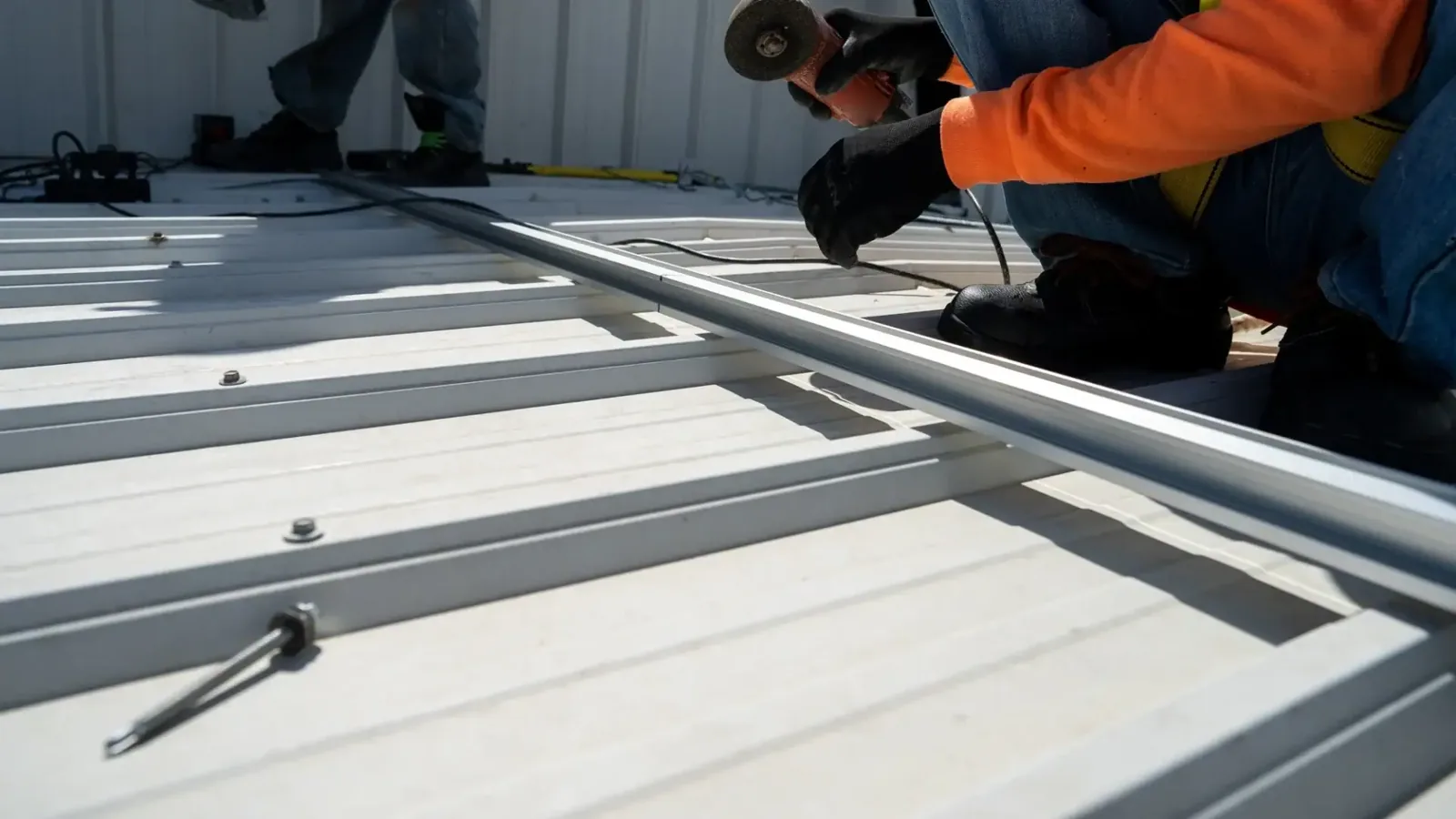
SPF maintenance should include a check of coating thickness and continuity at high-traffic routes, penetrations, drain bowls, and previous repairs. We photograph the roof zones and note any exposed foam, coating split, or open transition. If other trades cross the roof, the facility contact should include protection and post-work inspection in that coordination. A repair record helps locate the same breach if the coating changes after weather or service work.
Rock Hill's warm season and recurring rain make the coating's condition and drainage route useful items to revisit together. A small split near a drain can allow water beneath the surface, while a low spot may keep the coating wet longer than nearby areas. We distinguish a coating defect from a slope or outlet problem before choosing what to renew. Cleaning debris alone will not correct a soft or separated foam layer.
Share the roof history, coating or foam repairs, leak locations, equipment work, and access limits before a visit. We will inspect the surface, check water movement, and define the area that can be repaired or recoated. A scheduled maintenance program can keep coating and drainage details in the inspection cycle. Map visible foam and coating conditions, then place test openings where concealed layers could change the repair scope; identify tested and untested zones in the record.

Questions About Spray Polyurethane Foam Roofing
The coating protects the foam from weather and physical wear. We inspect for thin areas, cracks, punctures, and exposed foam, then determine whether the substrate remains sound enough for repair or renewal. The coating type and preparation must match the existing assembly.
Exposed foam needs inspection before recoating, and wet or deteriorated foam may require removal or replacement. We identify the boundary and any testing needed before covering the area. A new coating does not correct moisture or weak attachment beneath it.
We remove damaged material to a sound edge, restore the foam profile with compatible material, and apply a protective coating over the repair. The drain path and nearby penetrations are checked so the repair does not leave a low pocket or open transition.
Coating wear, punctures, foot traffic, poor drainage, and unclosed penetrations can expose or damage foam. We inspect the actual surface and note conditions that need maintenance or repair. A follow-up record can compare the same roof zones after service work or weather exposure.
Inspect an SPF Roof Surface
Share the existing foam and coating history, leak locations, recent roof work, building use, and access limits. We will inspect the coating, foam, drains, and transitions, then define the repair or renewal area.