
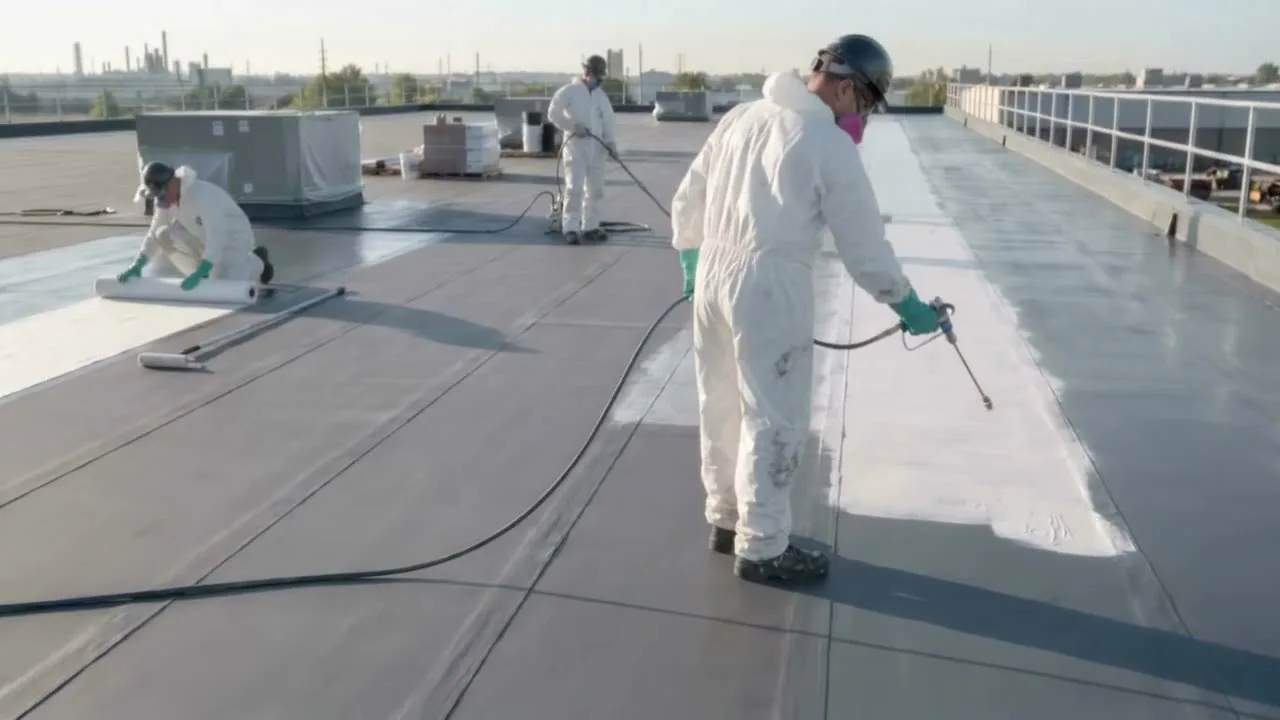
Assess a commercial roof in Rock Hill for acrylic coating with checks for drainage, surface adhesion, seams, flashing, and moisture below the finish.
A bright coating can refresh a roof surface, but it cannot repair a weak layer underneath. We inspect the existing assembly, drainage, seams, and transitions before deciding whether an acrylic system fits the roof. Rock Hill's humid Carolina Piedmont climate brings regular rain and a long warm season, so ponding and the window for surface preparation both matter. The city's business parks include Waterford and Legacy, while downtown and Winthrop University sit within the Knowledge Park district. Those places reflect a varied commercial market, not a statement about one roof's construction. We test the actual surface and set a defined coating scope near Waterford Business Park or Legacy Park.
Decide Whether Acrylic Fits
Acrylic roof coating is a liquid-applied finish used on eligible prepared substrates. The existing roof must be stable enough to receive it, and the chosen product has to be suitable for the surface, slope, and exposure. We identify the membrane or coating already in place and review repair history, surface separation, and visible moisture concerns. If the materials cannot be identified confidently, we explain what test or record could resolve the question before pricing a larger area.
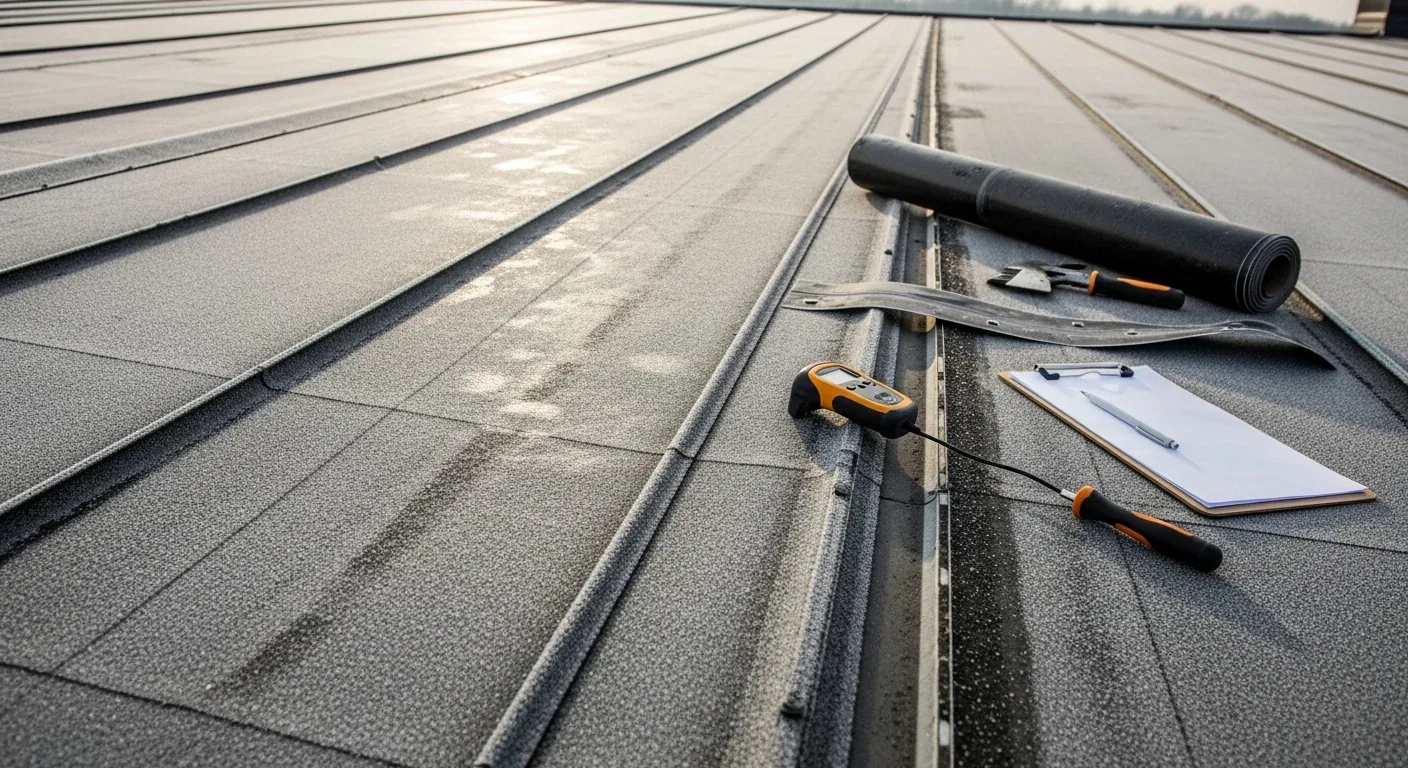
We inspect representative roof zones rather than assuming the field is uniform. A previous coating can vary by repair history, and edges or equipment curbs may have received different materials from the open surface. Use adhesion tests to evaluate representative samples, then inspect and map each roof zone before choosing the coating scope. We map test locations, record the result, and define where the same preparation and application method can be used. A commercial roof inspection can establish visible conditions beyond the proposed coating zone.
Commercial retail and business improvements continue along Dave Lyle Boulevard. That corridor's activity makes access and timing relevant to an occupied site, yet it cannot tell us whether a particular roof will accept acrylic. The surface and its hidden layers decide that. We check for soft areas, loose seams, open flashing, and repairs that could be sealed or might require a different scope.
Check Water Movement First
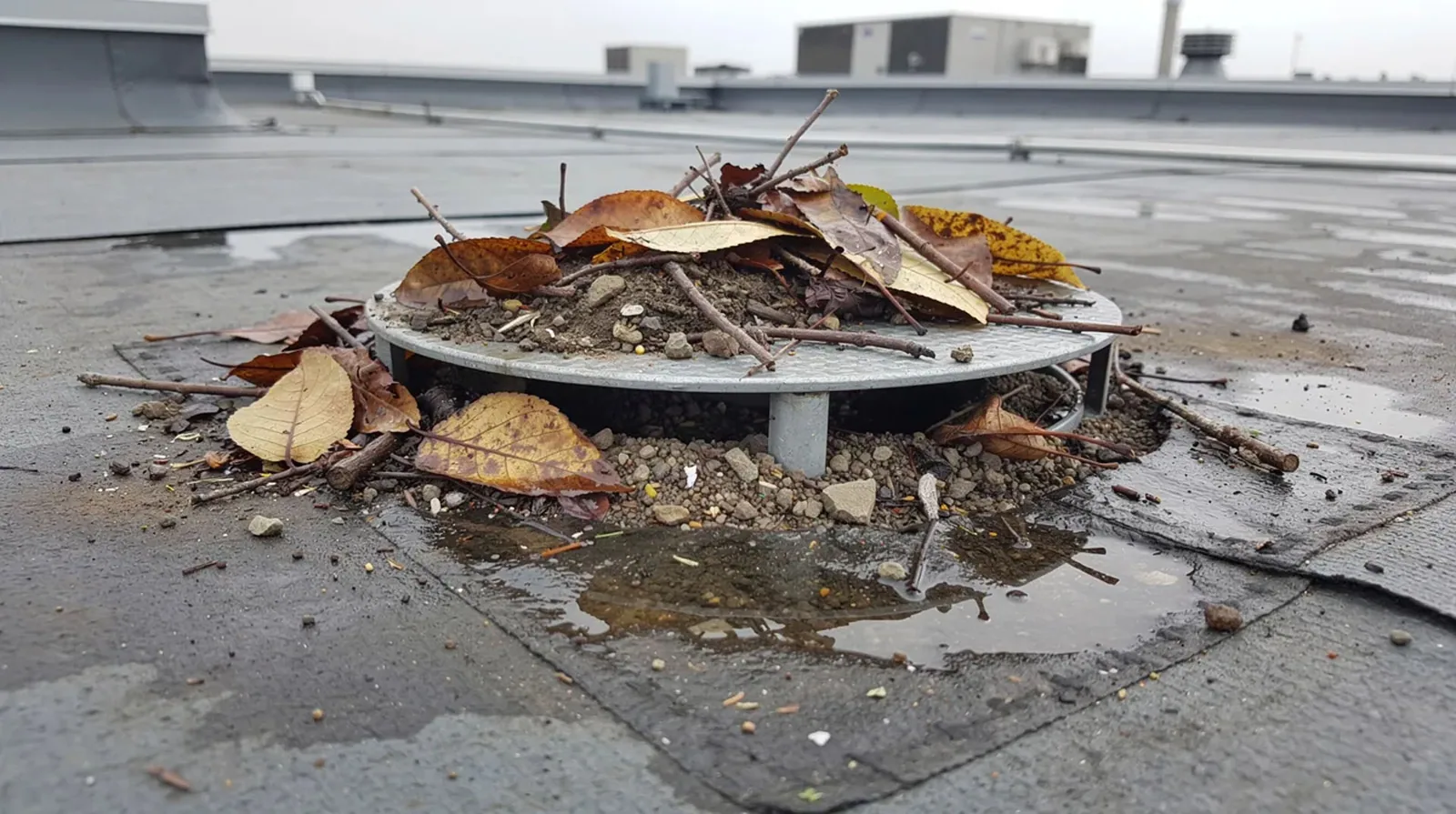
Acrylic coating needs a roof that sheds water as the product requires. We inspect drain bowls, scuppers, slopes, and discharge routes for blockages, leaks, or low areas that remain wet after rainfall. A coating can renew a sound field, but it should not be used to bury a drain defect or fill a substantial depression. If water is repeatedly held in one zone, the inspection needs to separate the surface condition from a slope or outlet issue.
Rock Hill's regular rainfall gives drainage details a recurring role in roof maintenance. We note the route from each affected field to the outlet, along with any raised patch or flashing that could interrupt flow. A drain and scupper repair can address a damaged connection, while an assessment of persistent ponding can examine the low area itself. The plan states which correction supports coating and which work needs a separate repair boundary.
Acrylic systems are not interchangeable with silicone coatings in every exposure. Ponding tolerance depends on the specific product, system design, substrate, and required drainage. We compare the manufacturer's current installation requirements with what the roof presents instead of assuming that any liquid finish will perform the same way. If standing water remains outside the product's intended conditions, we look at drainage correction or another renewal approach before coating.
Prepare Seams and Transitions
Preparation includes more than washing the open roof field. We remove loose coating and debris, address rust where the system requires it, and repair open seams or membrane defects before applying the new finish. At walls, curbs, drains, and penetrations, we inspect attachment and flashing geometry. The coating needs a clean transition to compatible details, and the surrounding materials must be sound enough to hold that connection.
For an older roof, the visible finish may conceal earlier patches or incompatible products. We identify those locations, remove unsound material within the approved limits, and test repairs when needed. If a test opening reveals wet insulation, we document where it was found and confirm the next step before covering the area. An infrared moisture pattern can identify areas for closer examination, but it is not a substitute for confirming the assembly.
Weather sets the preparation sequence. The substrate must meet product moisture and temperature conditions, and rain may require protection or another drying check. Waterford links Rock Hill's business-park activity with the Riverwalk area, but roof access and scheduling follow the individual facility.
Apply the Coating in Defined Zones
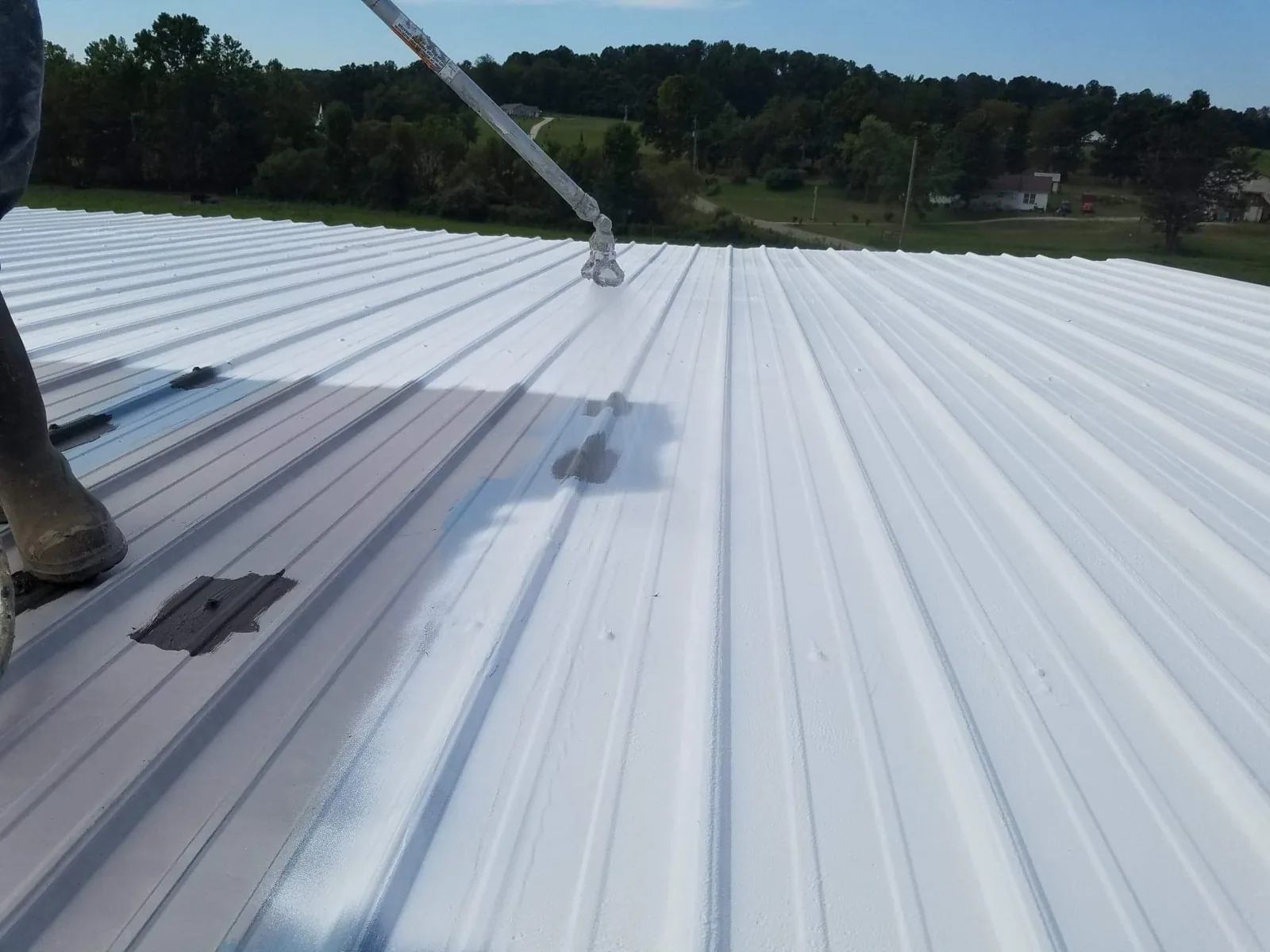
We apply the selected acrylic system at its specified coverage and reinforce details where the product design calls for added material. The work proceeds across prepared zones with attention to film continuity, edges, penetrations, and material use. Thin spots, skips, or pinholes can leave the substrate exposed. We check the surface as the application advances and allow the required cure before reopening the area to regular foot traffic or other trades.
Acrylic's water-based application and drying behavior make weather planning particularly important. Temperature, humidity, substrate moisture, and forecast conditions affect how the film forms. The sequence can pause if the roof is not ready for application or if rain threatens an uncured section. We describe those schedule drivers before work begins and do not close a roof zone until the coating has reached the condition required by its product instructions.
Coating quantity, preparation depth, flashing repairs, access, and test results affect project scope and timing. If damaged insulation or a weak deck appears during preparation, we stop at the authorized limit and present the finding. A roof coating restoration scope can set the work boundary for an eligible roof. Where the substrate cannot support the new film, broader repair or replacement may be needed.
Inspect the Finish and Keep Records
After application, we review the coated areas for consistent coverage, open edges, and details that need correction. Photos and notes identify the roof zones included, the preparation completed, and any limitations that remain. The record does not extend across untested or inaccessible surfaces. If equipment work or another trade crosses the roof later, the facility team can compare that activity with the completed coating zones and inspect for new cuts or abrasion.
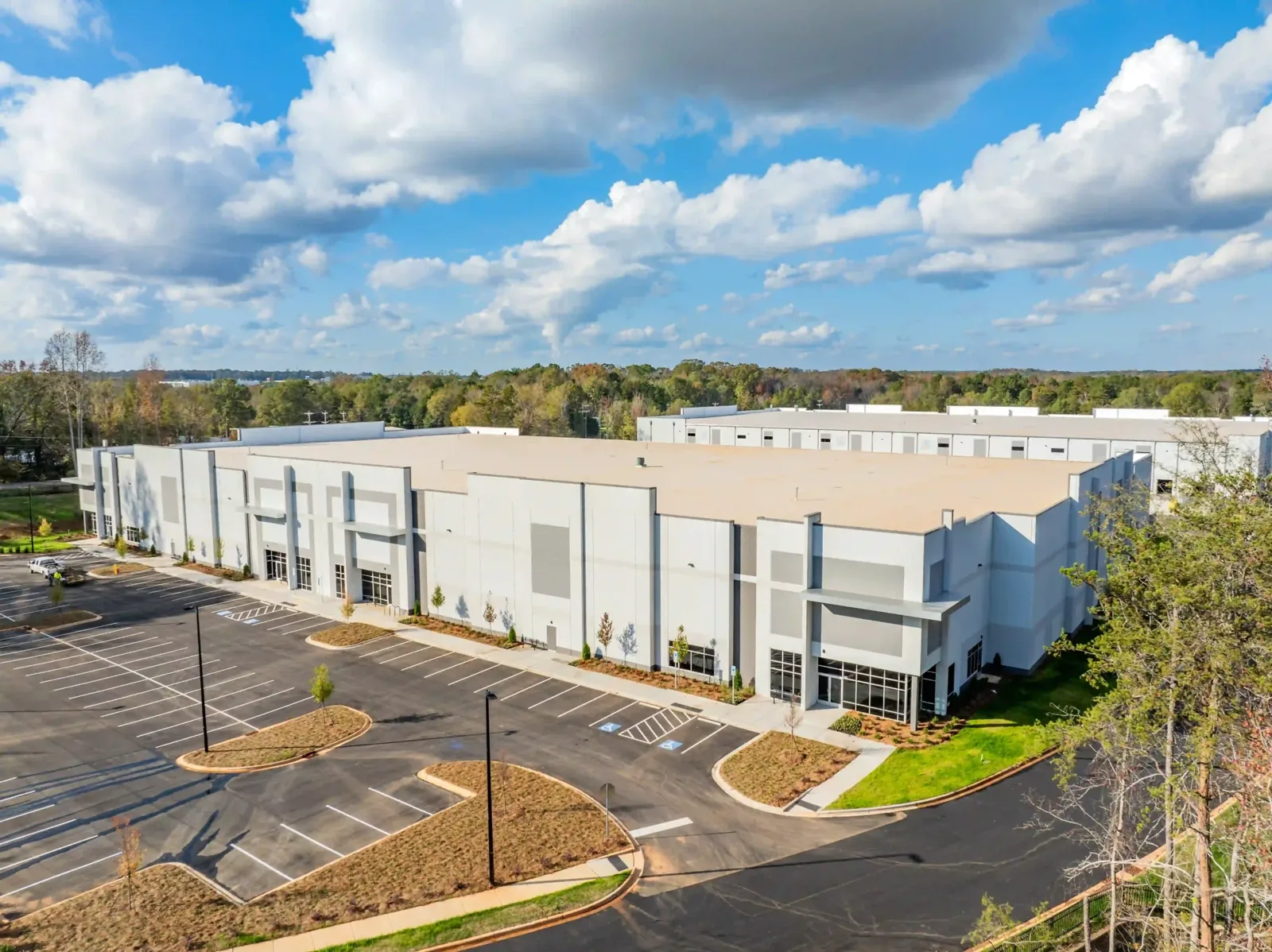
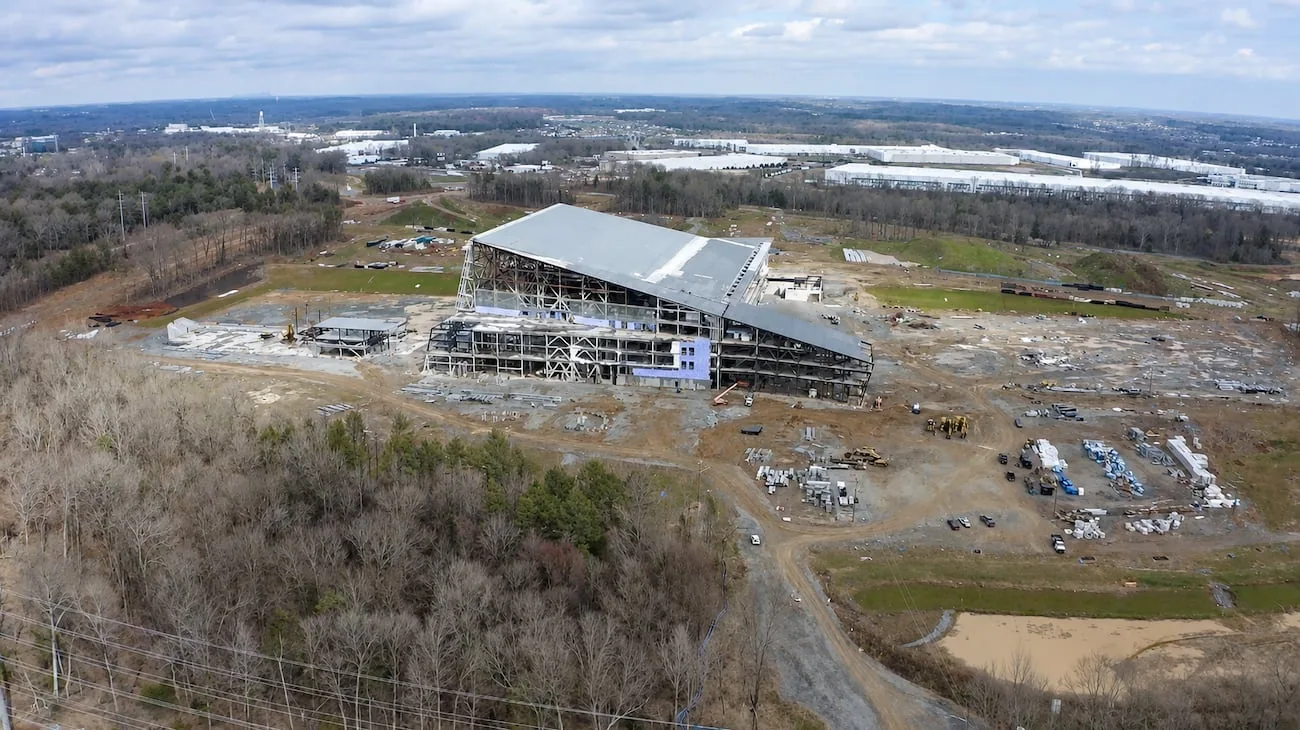
Commercial and industrial development continues along I-77 South, including warehouse and distribution uses. Development along the corridor brings varied operating schedules and access needs; each building's roof still requires direct inspection. We tie recommendations to the observed surface and documented tests. A maintenance visit can check accessible coating edges, drainage paths, penetrations, and prior repairs at a future inspection.
Share prior coating information, known roof layers, leak areas, ponding observations, building use, and access limits before an evaluation. We will identify where acrylic is compatible, what preparation is required, and which conditions call for a repair or another system. A silicone coating system has different exposure considerations, and a foam roof assembly needs its protective surface reviewed together with the foam layer.
Questions About Acrylic Roof Coatings
That depends on the membrane, primer, product instructions, surface condition, and test results. We identify the existing sheet and confirm compatibility before recommending application. A coating should not conceal a loose seam or moisture beneath the membrane.
Persistent standing water can fall outside the intended conditions for some acrylic systems. We inspect drainage and compare the roof with the selected product requirements. A low area may need drainage correction or a different renewal method before coating is considered.
Rain, a damp substrate, unsuitable temperatures, extensive preparation, and repairs discovered during cleaning can change the sequence. We define the application conditions and protect prepared areas if weather interrupts. The schedule depends on the roof and product requirements.
No. Drains, flashings, penetrations, coating edges, and traffic areas still need periodic checks. We record the treated zones and can compare them during a later maintenance visit. New damage or ponding should be assessed at the affected area rather than assumed to reflect the entire roof.
Check a Roof for Acrylic Coating
Share known roof layers, previous coatings, leak and ponding areas, repair history, building use, and access limits. We will inspect the substrate and transitions, then outline a compatible coating or repair scope based on the conditions found.
