Inspect Duro-Last PVC roofing in Rock Hill, SC. We check prefabricated sheets, field seams, flashing and the roof below before setting repair limits.
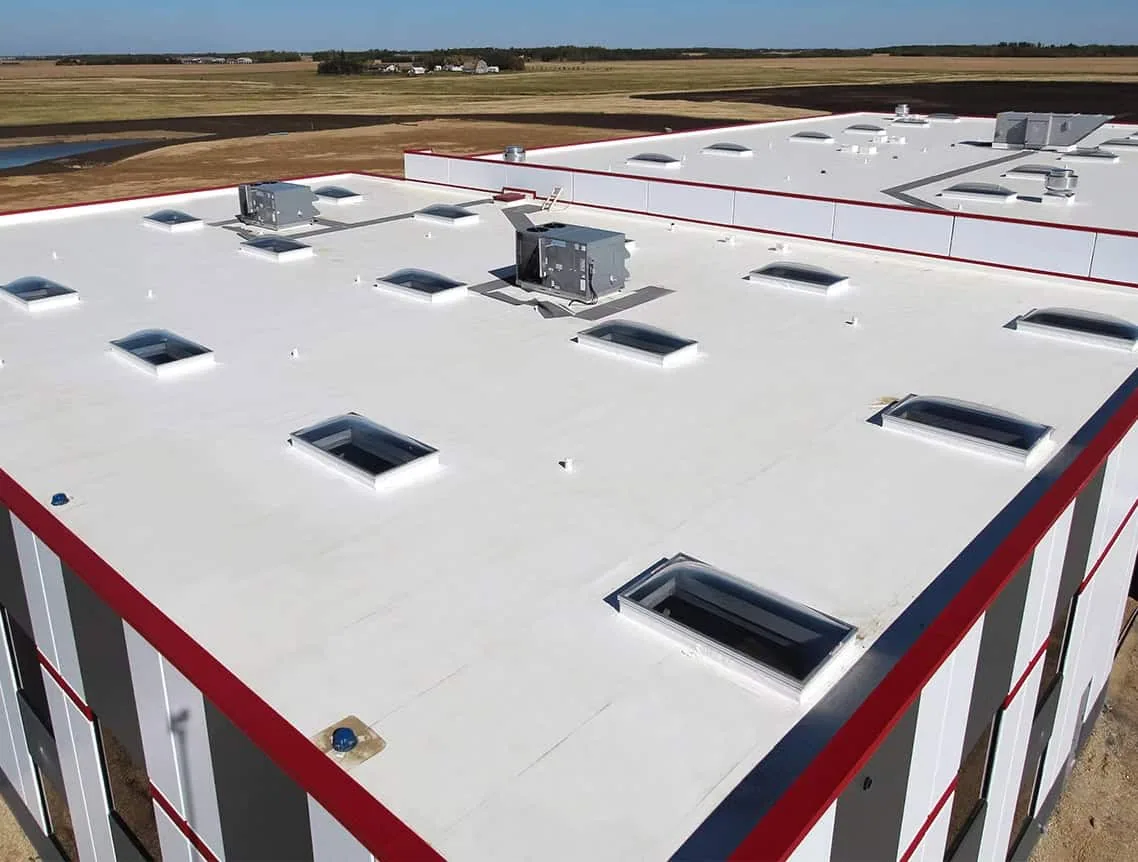
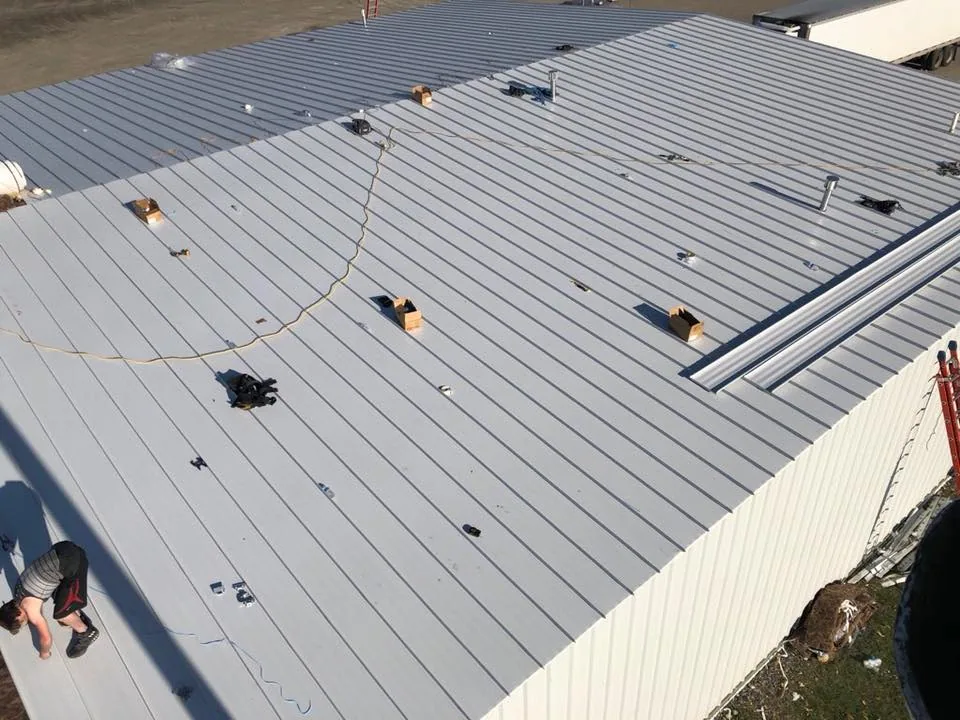
Factory-formed membrane sheets can reduce how much work is assembled on the roof, but the finished system still depends on field seams, edges and penetrations. Duro-Last makes PVC roofing membranes and fabricates custom deck sheets and accessories. In Rock Hill, SC, we check how those pieces meet at the actual building, then inspect the substrate and drainage around the affected zone. At Riverwalk Business Park, manufacturing, distribution and office properties have different access routes and operating schedules; the roof plan is confirmed with each facility contact before a repair or reroof begins.
What custom fabrication changes
Duro-Last describes its PVC membrane as a prefabricated system with custom sheet sizes, factory-controlled details and accessories made for the roof plan. That can move some seam assembly away from the field, but it does not remove the need for sound welds where sheets join on site. We review the shop or roof drawing, identify factory-fabricated corners and penetrations, and compare them with the installed layout. If a curb moved, equipment was added or a later repair cut the sheet, the existing fabrication map may no longer describe the roof as it stands.
Custom sheets need careful placement and restraint before field connections are completed. We inspect for wrinkles, bridging, fish-mouths and stress where a fitted piece meets parapets or curbs. The PVC material must be clean and compatible with the planned hot-air weld. A PVC roof assessment records the membrane and transitions; a KEE membrane review is appropriate only if that different formulation is confirmed in the field.
Check the field seams and roof below
We map the leak report or repair request and inspect seams, prefabricated corners, pipe boots, curbs, drains, edge metal and wall terminations. A seam probe can identify a weak connection at the sampled point, while a visual walk shows surface cuts, punctures, abrasion and displaced accessories. We compare marks on the membrane with the room or equipment condition reported below. A puncture from service work may sit far from an interior stain if water follows the deck or insulation before it appears.
Prefabricated accessories still require a correct field tie-in and secure termination. We check whether a curb's dimensions changed, if a pipe boot is stretched, and whether fasteners or new equipment have damaged adjacent sheet. When moisture beneath the PVC could affect a larger area, we mark a survey route or propose an owner-approved test opening. The recorded test area is not a conclusion about untested sections. A roof inspection documents the layout, while a condition report ties photographs and readings to the affected zone.
Restore welds and transitions
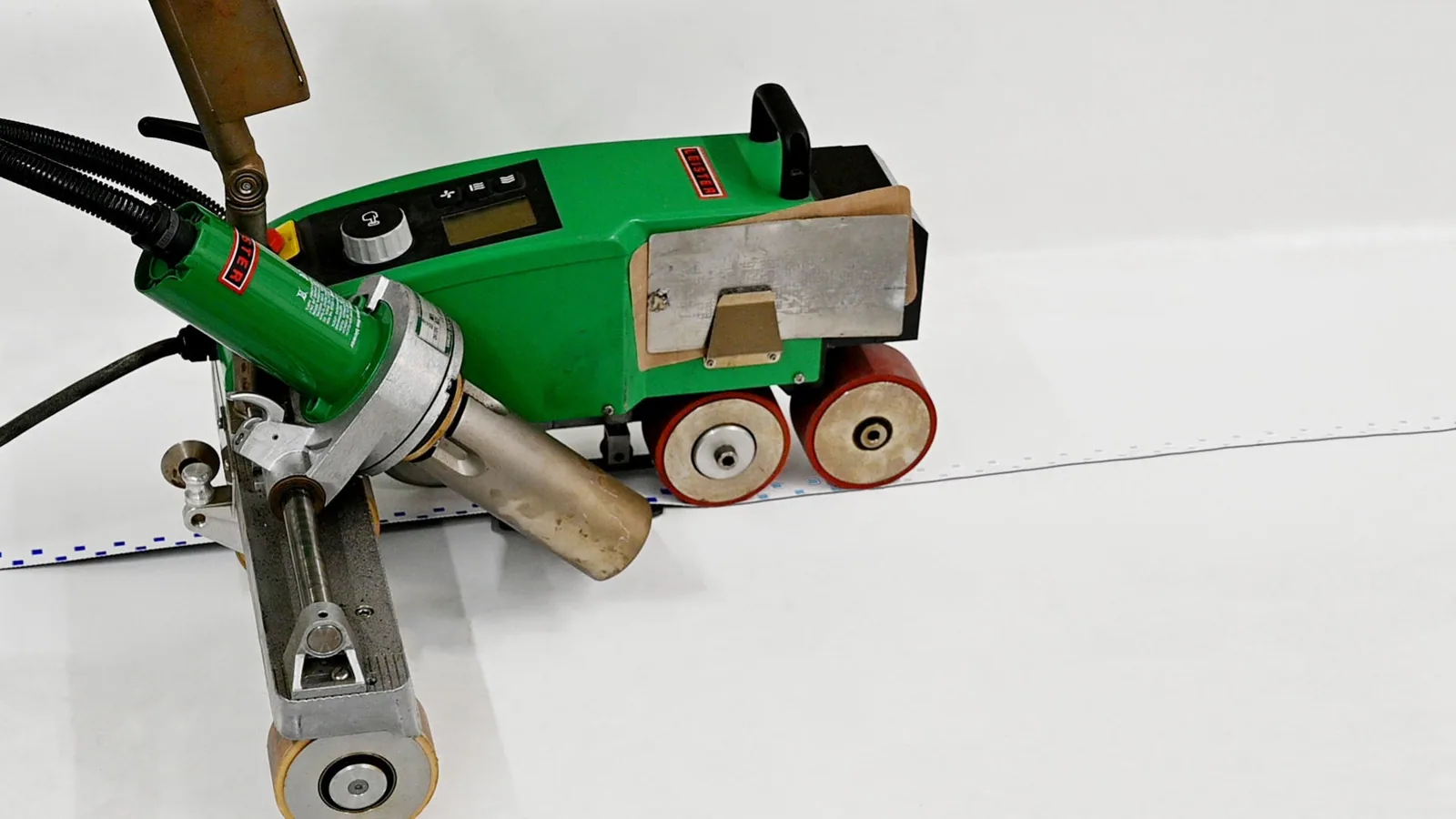
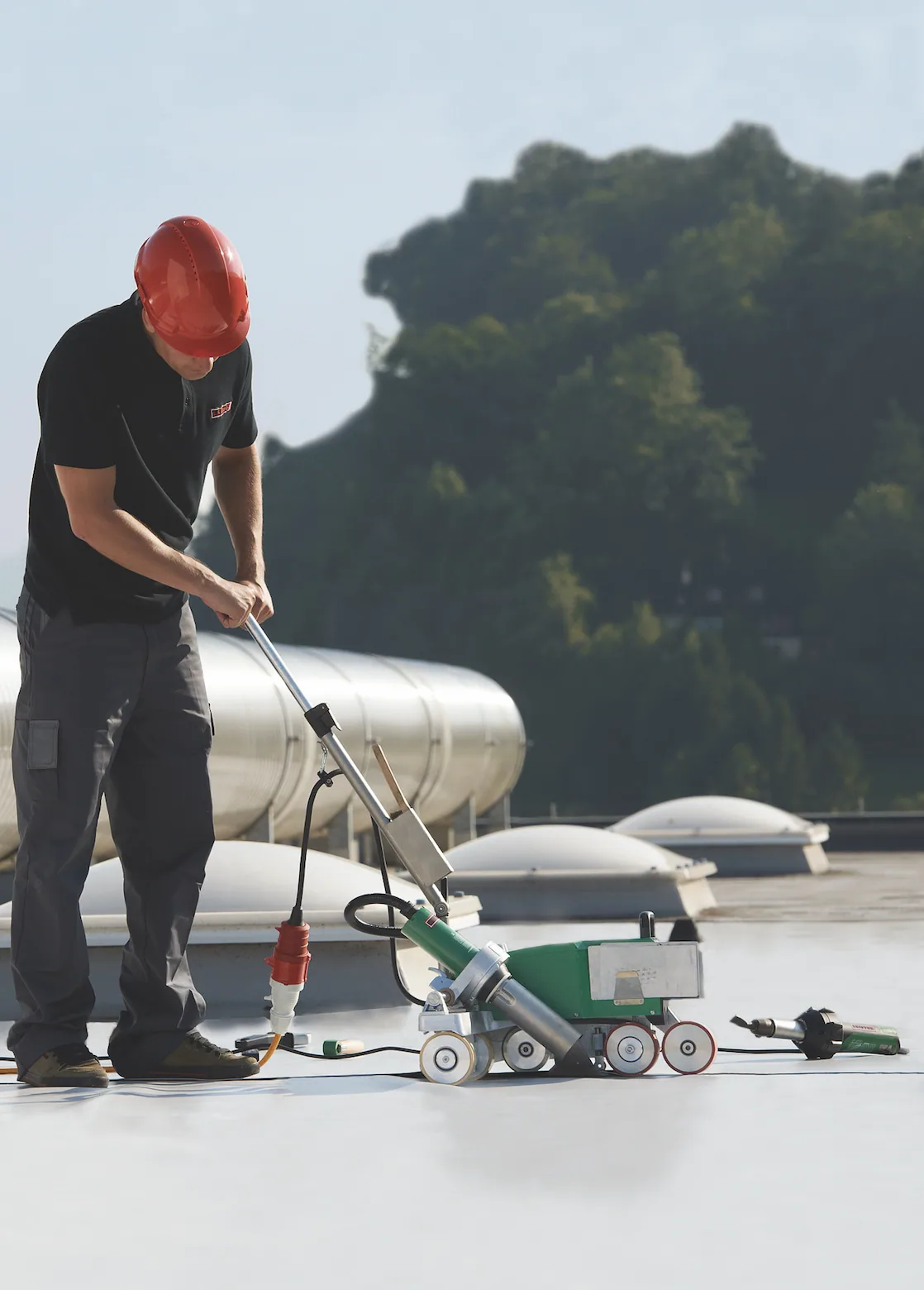
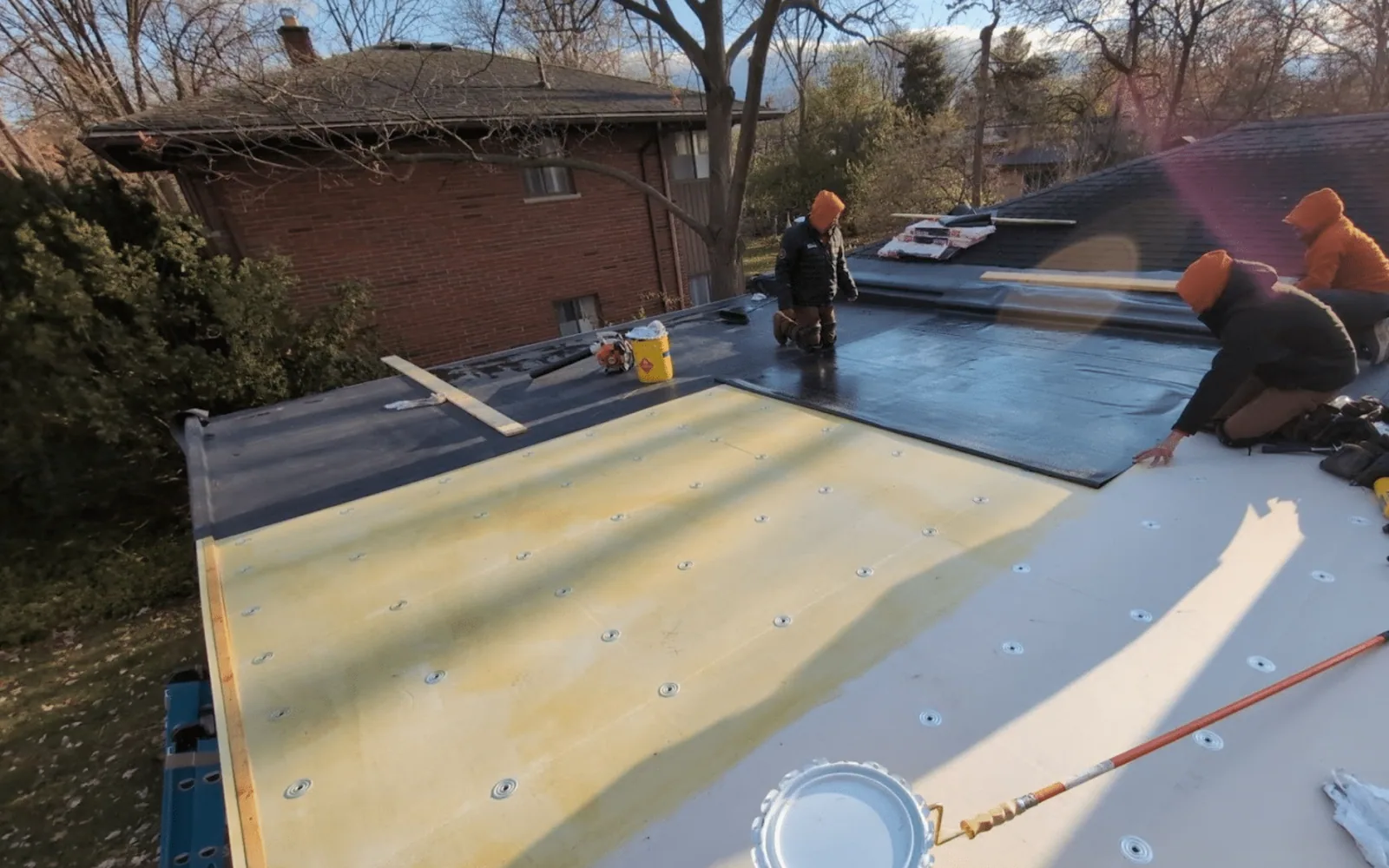
A durable field repair starts with identifying the PVC and preparing a clean surface. We cut a patch with enough overlap onto sound membrane, set the welding equipment for the material and conditions, and verify that the lap fuses through the connection. An edge that peels under probing, a patch with a cold weld or contamination trapped at the joint needs additional preparation. We check the finished patch perimeter rather than relying on the presence of new material alone.
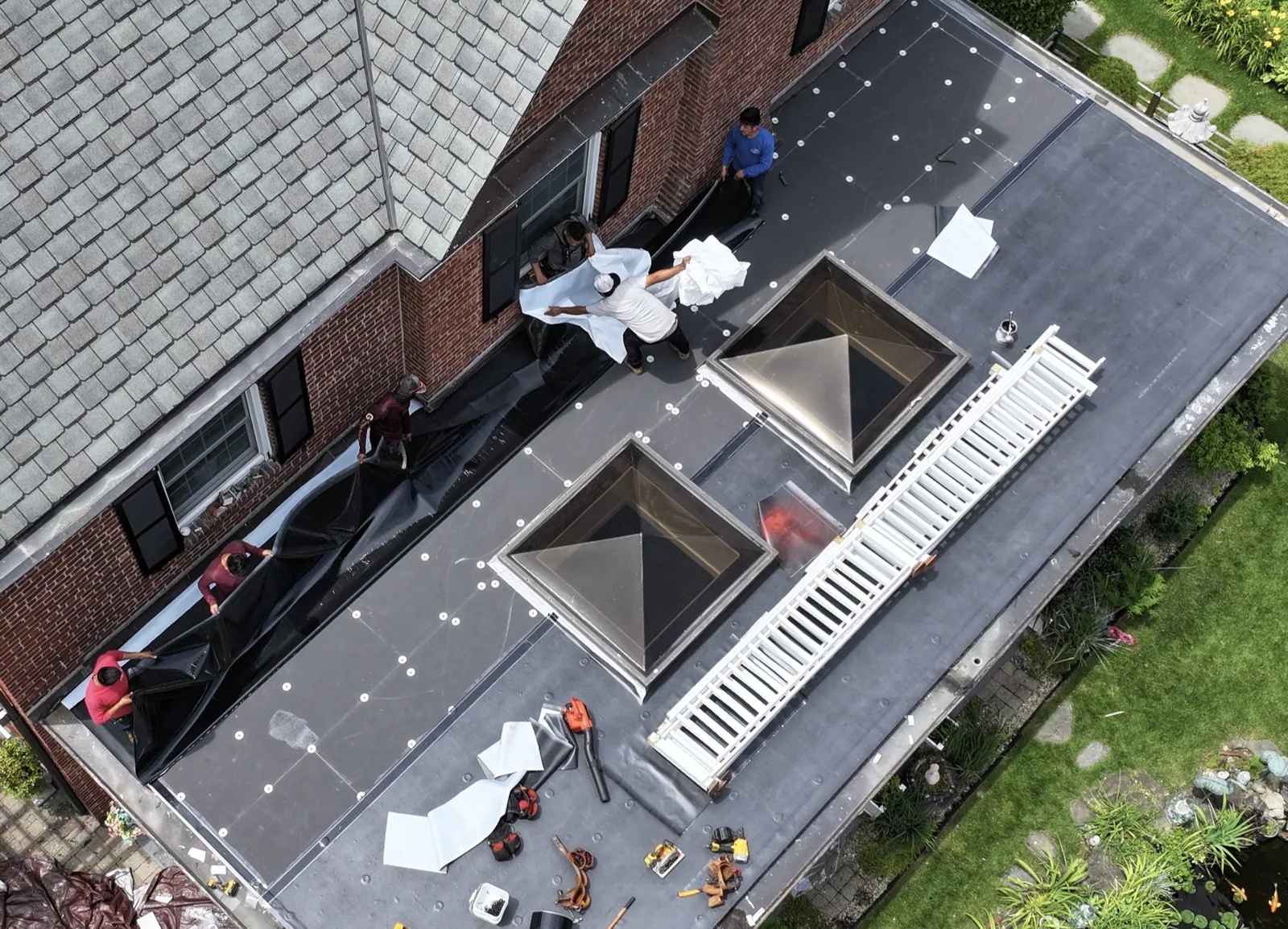
At a prefabricated corner or penetration, the repair needs to reconnect the field membrane without creating a ridge that traps water. We examine wall height, termination, counterflashing and movement before choosing a detail. If another trade is replacing a rooftop unit, the handoff should state who removes old flashing, who protects the opening and when roofing work resumes. A membrane puncture repair may stay local; widespread wet insulation or a damaged deck requires a broader, separately approved scope. We keep the repair boundary clear so temporary protection is not mistaken for permanent restoration.
Rain and storm review in York County
Rock Hill's warm, humid Carolina Piedmont brings frequent rain through a long warm season. Water can test field seams, corners and roof-to-wall transitions repeatedly, especially when an outlet or overflow is blocked. We inspect the drainage path before assuming the membrane itself is the only cause. After a storm, we check edges for movement, PVC for cuts or punctures, and curbs or flashings for displaced components. Regional tornado climatology covers York County, yet it cannot determine whether an individual property was struck.
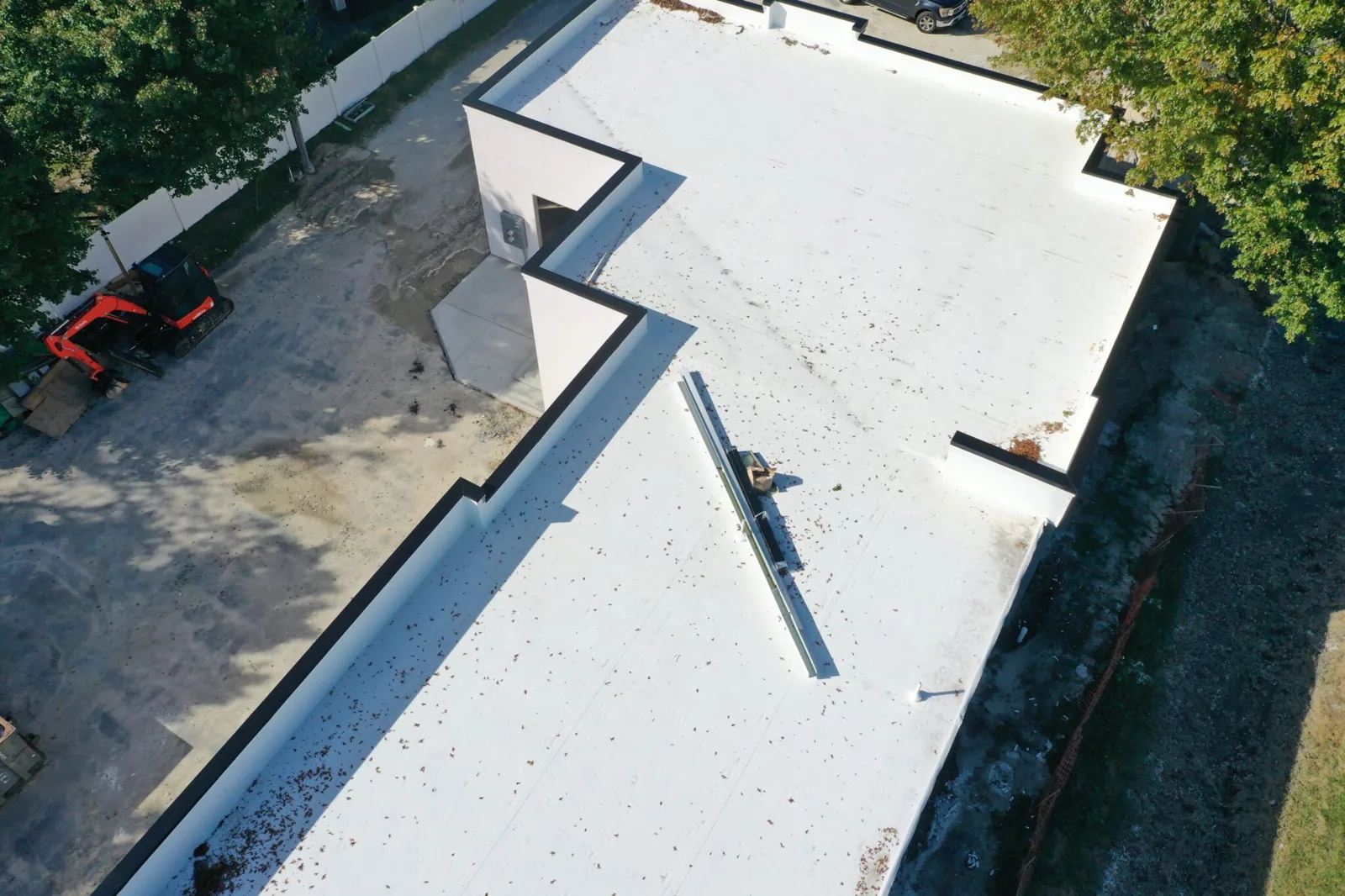
At Legacy Park and Riverwalk Business Park, one building may have a different roof layout and service history from the next. We confirm which areas are accessible and whether work can proceed near shipping or production activity. A storm visit records visible impact, soft-metal marks, seam condition and drainage separately; those observations help determine whether a repair is needed and how far it should extend. If water entered the building, we coordinate interior protection while preserving photos of the roof condition before temporary work changes it.
After seasonal debris builds near an outlet, we note whether clearing it restores a visible drainage path or whether a low area remains. If ponding persists, elevations and overflow routes need review before adding membrane or surfacing. An edge inspection also checks where wind can lift a loose termination or expose a seam to movement. The report keeps these conditions distinct from surface scuffs that do not interrupt the membrane.
Keep custom sheets in the maintenance record
Retain the fabrication drawing, product identification, roof plan, repair locations and inspection photos. The next reviewer can then compare a reported issue with the original sheet layout, identify replaced accessories and see which areas were tested. If the layout changed after installation, update the drawing with the current curb or penetration location. A labeled record is especially useful when different crews address equipment and roofing work at separate times.
Repair may suit an isolated weld or accessory when nearby PVC is clean, bonded and dry. Replacement or broader removal may be needed where the deck is unsound, moisture spreads beneath the sheet, or repeated repairs interrupt the assembly. A recover requires checking attachment, drainage and finished height at walls and curbs. Other PVC systems, such as GAF or Carlisle-SynTec, have their own approved details, so we verify the transition rather than treating all white membranes as alike. For Riverwalk properties, the work scope also notes loading, staging and access constraints tied to that specific roof.
When a new unit or line of rooftop equipment is planned, review the curb and flashing before the lift arrives. The project team can confirm the support, opening dimensions, crane path and temporary dry-in plan in advance. That sequence reduces the chance that a prefabricated sheet is cut without a replacement detail ready. We record which party approves the change and where the final weld will be inspected. The roofing scope stays connected to the membrane, while equipment removal and electrical or mechanical work remain assigned to the appropriate trade.
Questions About Duro-Last Commercial Roofing
No. Custom sheets and accessories can reduce some field assembly, but connections, perimeters and later changes still need sound field work. We inspect each installed transition and weld.
The patch must be compatible with the installed PVC and extend onto clean, sound material. We check whether moisture, movement or damage below the sheet changes the repair boundary.
We compare the current curb and penetration with the roof drawing, inspect the flashing and identify any cut or unsupported edge. The repair plan assigns the roof opening and trade handoff.
No. It supports a timely inspection after a report. The roof's seams, accessories, edge details and drainage must show whether the property sustained damage.
Send available fabrication drawings, submittals, repair history, leak location and access requirements. The facility contact can confirm escorts, lift staging and the work window.
Review the Duro-Last sheet layout
Share the building use, issue location, fabrication plan and access limits. We will map the affected membrane, test representative seams and define the repair boundary.