Plan municipal and public-facility roof inspections, repairs, and renewals with clear scopes, access coordination, and documented closeout.
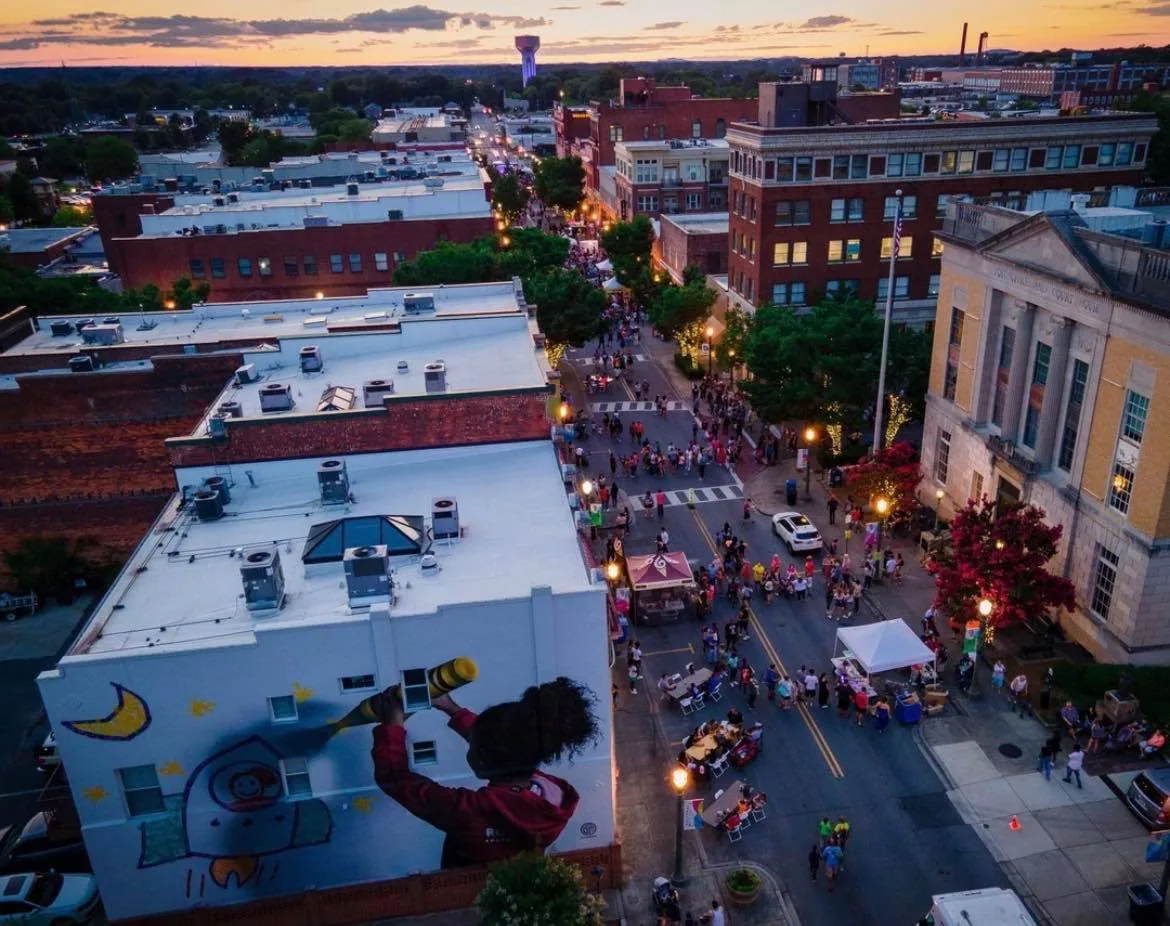
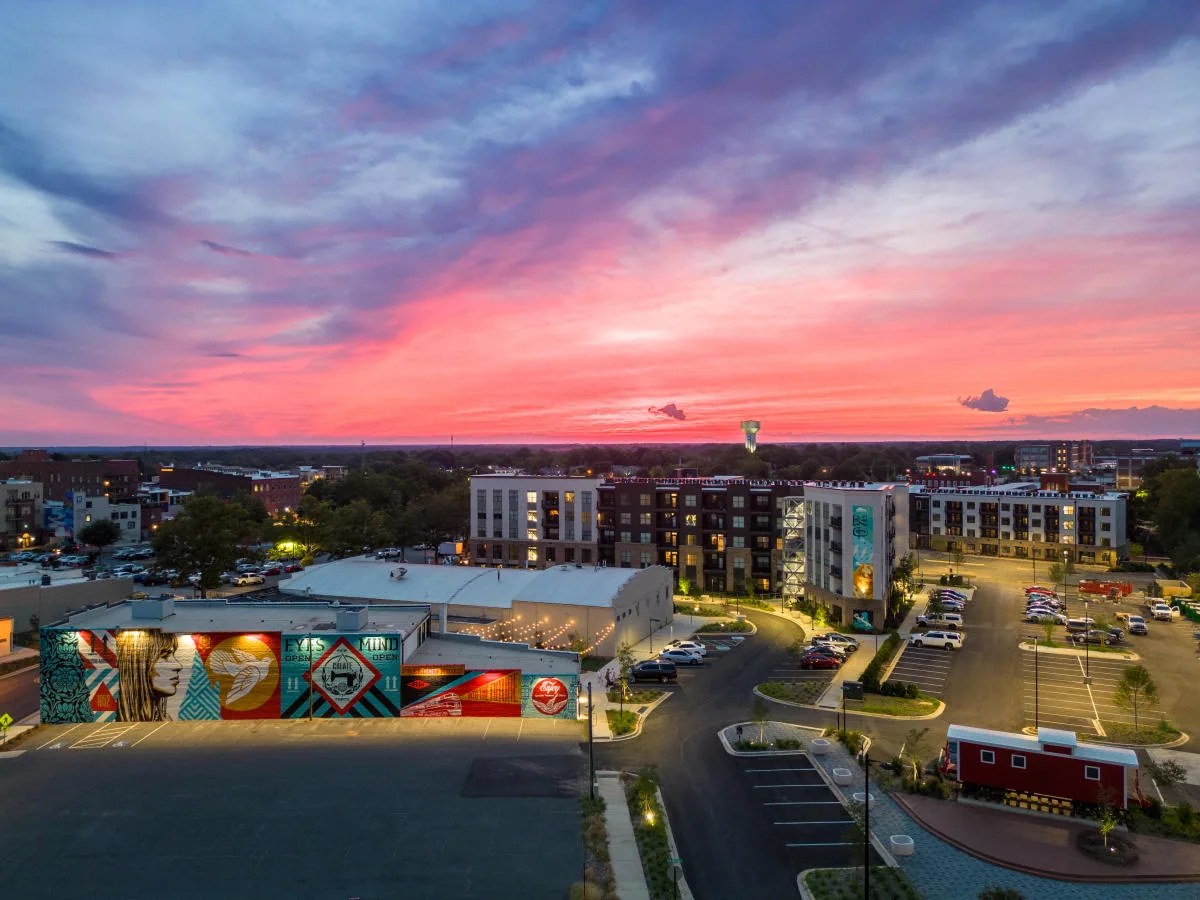
Public-facility roof work needs a clear scope, an authorized decision path, and an access plan that respects the building's use. We inspect the roof areas included in the assignment, document visible conditions, and identify what remains to be tested or approved. Rock Hill's portfolio includes institutional campuses, recreation facilities, mixed-use downtown redevelopment, and business parks. We coordinate access near downtown Rock Hill or Riverwalk Business Park with the public owner and its facility contact.
Define the Facility and Procurement Boundary
Before inspection, we confirm the building or roof zones in scope, the official contact who can authorize access, and the records available for review. A roof plan, prior proposals, leak reports, warranty papers, and maintenance notes help connect field observations with the facility's history. We identify any escort, security, public-entry, or operating-hour constraints without assuming that all areas can be reached in one visit.
A commercial roof inspection can document the surface, drainage, edge details, penetrations, and prior repairs in accessible zones. Findings separate observed defects from possible causes and note areas that were not inspected. If the work may involve sampling, design, or a change to the building assembly, the scope identifies where a licensed professional or authority review may be needed.
For alterations, the agency should confirm applicable code, permit, procurement, and design requirements with the authority having jurisdiction and its design team. Our field report describes roof conditions and proposed roofing scope; it does not replace the owner's procurement process or code interpretation.
Respond to Leaks in Public Spaces
A leak above an office, service counter, gym, or public meeting room can affect staff and visitors. We compare the interior report with drains, seams, curbs, skylights, parapets, and adjacent roof transitions. Water may travel before it appears inside, so the nearest detail is not automatically the source. During a leak investigation, we compare reported symptoms with likely roof paths and note which observations establish a source.
Before opening the roof or entering an interior room, we define barriers, floor protection, public routing, and closure steps with the agency contact. If a test opening is warranted, we state what it can establish at that location. A single test does not characterize other buildings or separate roof sections. If removal reveals wet insulation or damaged decking, we document the extent and request authorization before the repair grows beyond the original limit.
Rock Hill's regular rainfall and York County's tornado history make secure temporary closeout and post-event roof checks practical. After severe weather, inspect accessible zones for punctures, displaced metal, or open flashing and tie each finding to the facility plan.
Coordinate Work Around Staff and Public Access
Public buildings may remain open while roofing work proceeds. The agency identifies public entrances, service hours, secure areas, deliveries, emergency routes, parking, lift access, and any rooms that need to stay available. We define the roof work area and staging plan so staff know where temporary restrictions may apply. The owner manages public notices unless the contract assigns a specific communication task to the roofing team.
A phased occupied-building plan can separate roof sections and include daily checks for open areas and temporary coverings. Work timing depends on weather, roof material, access, and any hidden condition found during removal. If a public-facing space must be cleared, the schedule should identify that impact rather than imply uninterrupted service at every entrance.
Field changes should follow the agency's approval route. If the assembly differs from records or a larger defect appears, we secure the exposed area, photograph it, and share the evidence with the authorized contact. The agency can approve added work, request pricing, or choose another next step. That record helps keep public oversight and contractor scope aligned.
Inspect Drainage, Edges, and Equipment Details
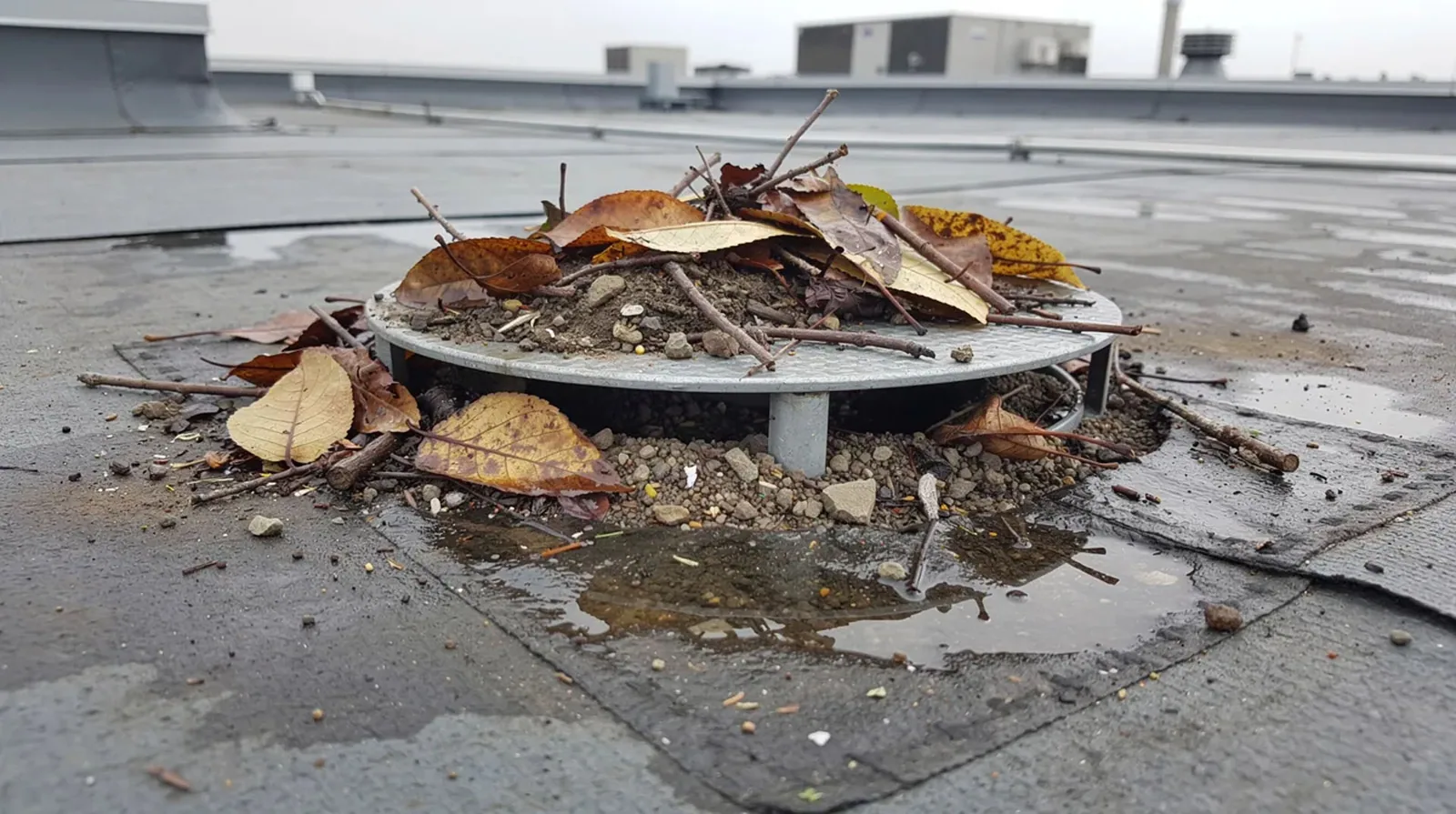
Drain bowls, scuppers, gutters, overflow routes, curbs, and roof edges can all influence water movement. We inspect the details within scope and distinguish a blocked outlet from a failed membrane tie-in or a low roof area. A drain or scupper repair can correct a verified connection. Routine cleaning is listed separately from changes to membrane, slope, or metal.
At parapets and equipment bases, we check flashing, fasteners, coping, and visible seams for movement or openings. An old mechanical curb can remain after equipment replacement and still need a watertight closure. If equipment must be removed or reset, we coordinate that sequence with the agency's mechanical contractor. A curb and support repair addresses the roof-side transition when included in the approved scope.
Rock Hill's warm, humid Piedmont climate has a long warm season and regular rainfall. A report should still tie a recommendation to the roof material and defect observed. South Carolina's commercial energy-code schedule also remains distinct from structural and roofing decisions, so the project team should confirm which requirements apply to its specific scope.
Prepare Alternatives for Budget and Approval
A focused repair can be appropriate when the defect is localized and adjacent material is sound. Repeated leaks, widespread seam separation, or broad wet insulation may justify comparing repair with recovery or replacement. We state what supports each option and what remains unknown. Cost and duration depend on system, roof area, detail count, access, protection, disposal, and conditions exposed after removal.
A project scope should name included roof zones, material assumptions, preparation, flashing, drainage, edge work, staging, and closeout. It should also list exclusions and how concealed damage is handled. If the proposal includes multiple phases, each phase can identify access needs and temporary protection. The public owner can then compare bids and authorizations against the same work boundary.
A school district roof program may coordinate work around student calendars, while a general contractor may need a precise trade scope and schedule interface. Public agencies have their own bid and approval processes. We provide the roofing evidence and definition of work without suggesting that an inspection alone satisfies any procurement requirement.
Keep Inspection and Closeout Records Accessible
At completion, we provide a record of areas inspected, conditions corrected, materials, photographs, tests, and any limits. If a roof area was inaccessible or not opened, the documentation says so. A public facilities team can connect the closeout record to its building plan and future maintenance file without treating uninspected roof sections as complete.
A maintenance visit can return to outlets, curbs, seams, edges, and earlier patches. The route can follow owner priorities and available access. Share the building's roof plans, authorized contacts, hours, public-access requirements, and procurement milestones before the visit. We will identify the work areas and any additional decision needed before repairs proceed.
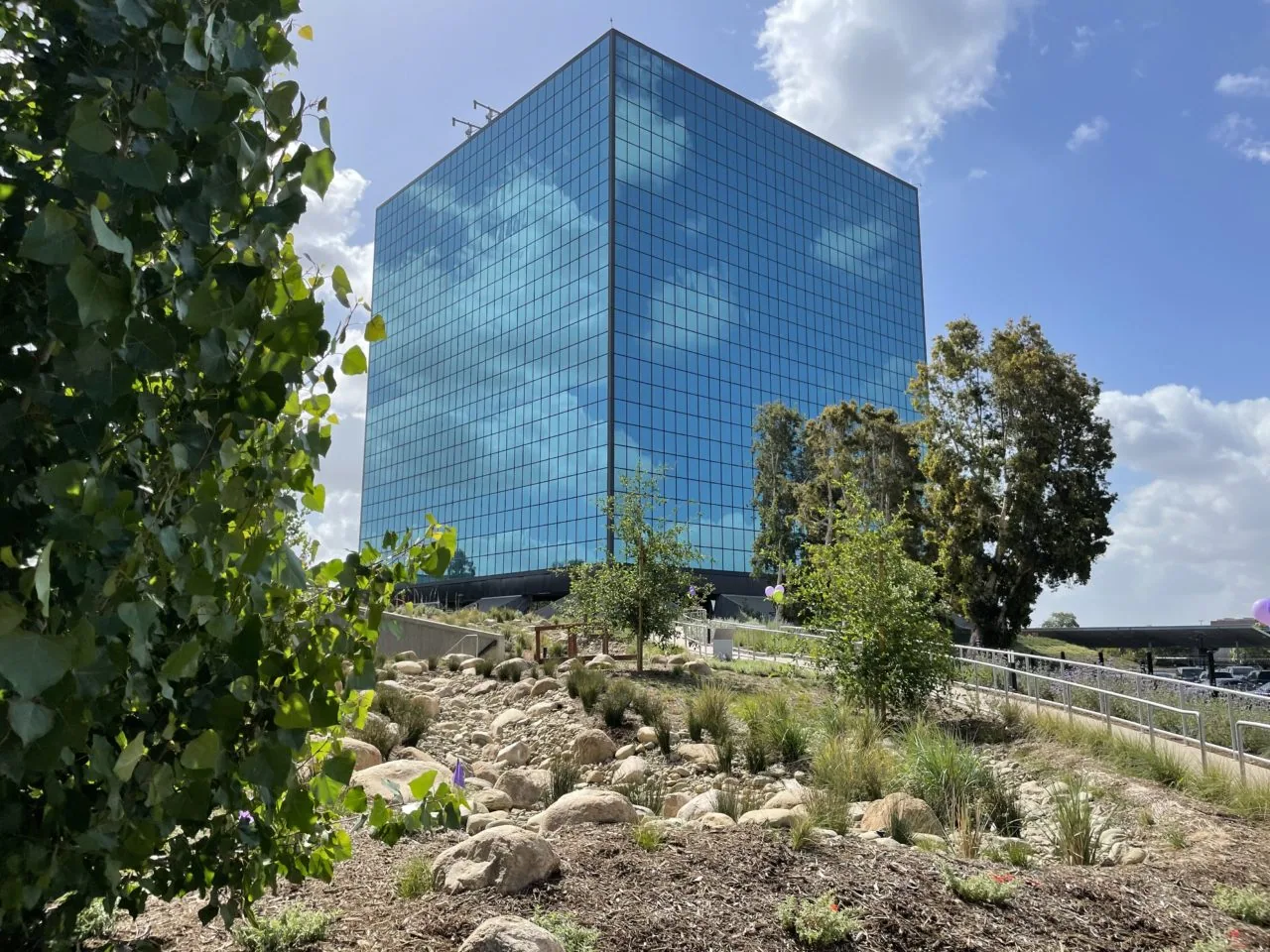
Rock Hill's downtown and industrial districts represent different public and commercial building settings. Each roof recommendation still follows the actual assembly and project boundary. Our report identifies the condition seen, the work proposed, and the limit of the inspection so agency staff can use it in a clear approval and maintenance record.
Questions About Public Agencies
We can document observed conditions and define a roofing scope for the agency's project team. The owner determines procurement requirements, bidding procedures, design involvement, and approvals for the project.
Provide roof plans, prior repair records, leak reports, site access rules, authorized contacts, building hours, and any public areas that must remain open. That information helps set the work route and protection needs.
Work can sometimes be phased around public access, depending on the repair, roof access, weather, and closure requirements. We identify affected routes and spaces with the facility contact before opening the roof.
If removal reveals a larger defect, we secure the opening, document what was found, and follow the owner's change process before extending the repair. The added work area and its cost are presented for approval.
Plan a Public Facility Roof Project
Share roof plans, building access requirements, inspection records, procurement milestones, and affected public areas. We will document conditions and define the roofing scope for the agency's review.