
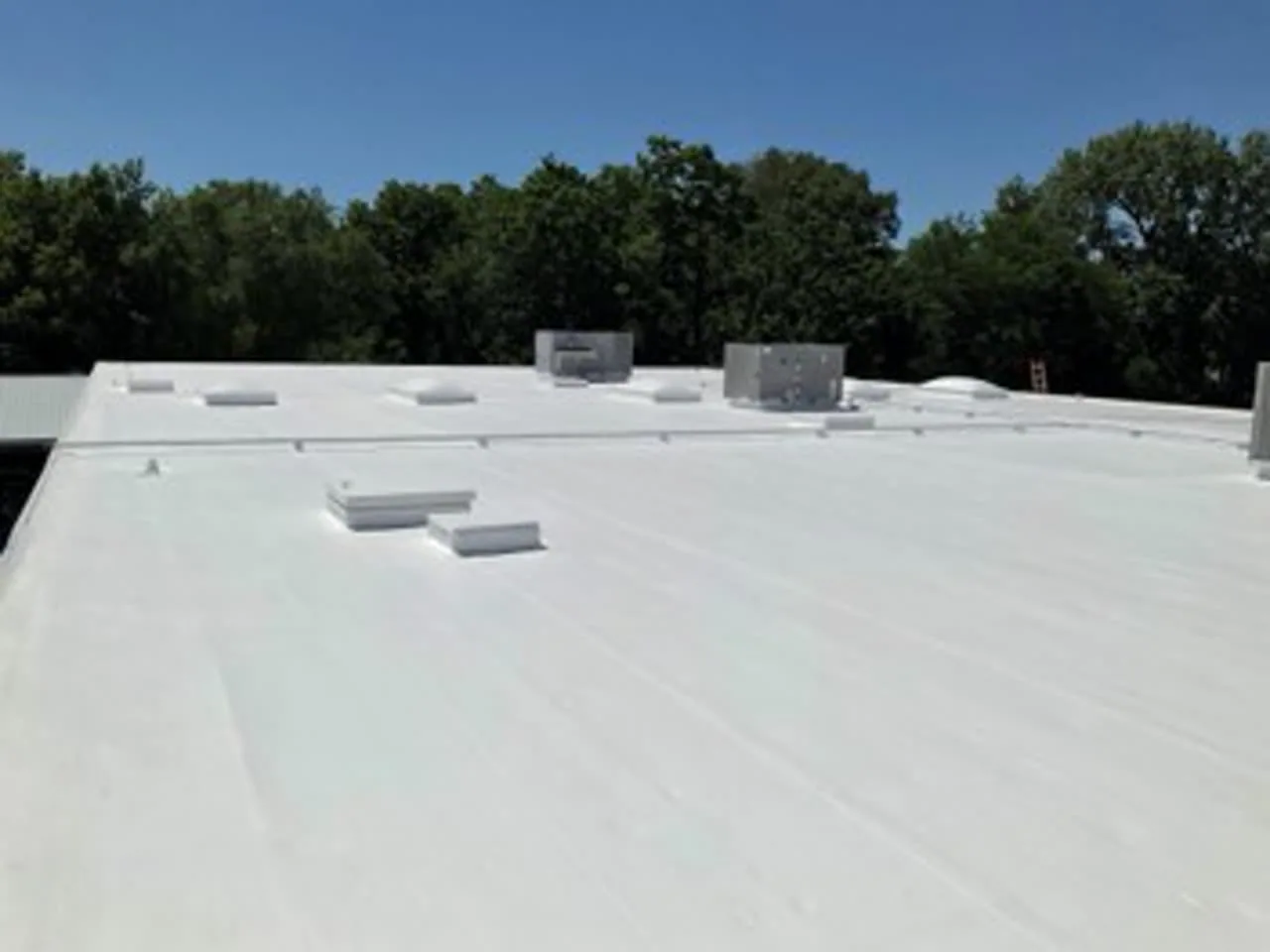
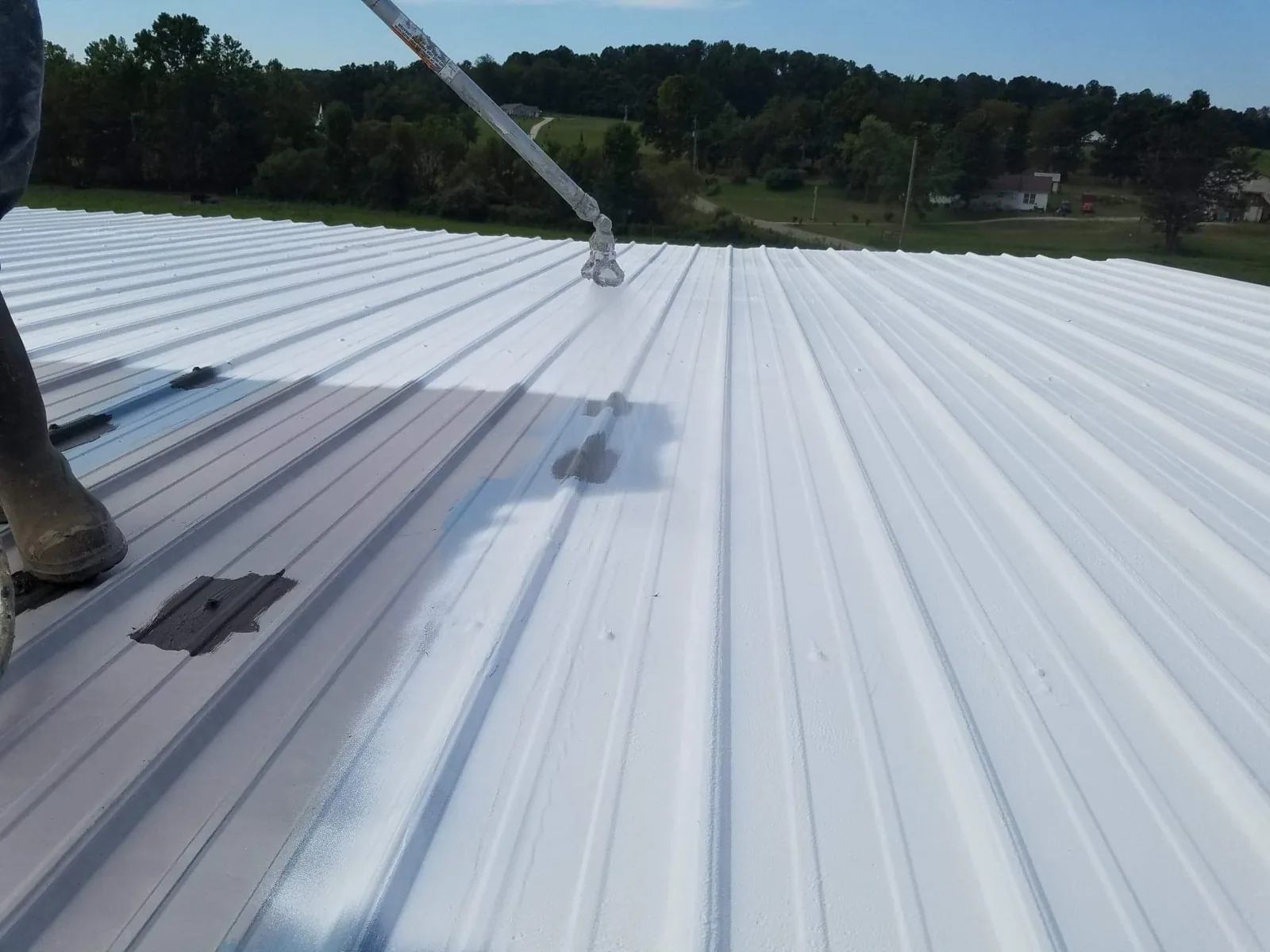
Document commercial roof conditions after a reported loss with photographs, measured repair scopes, and clear separation of observed damage and cause.
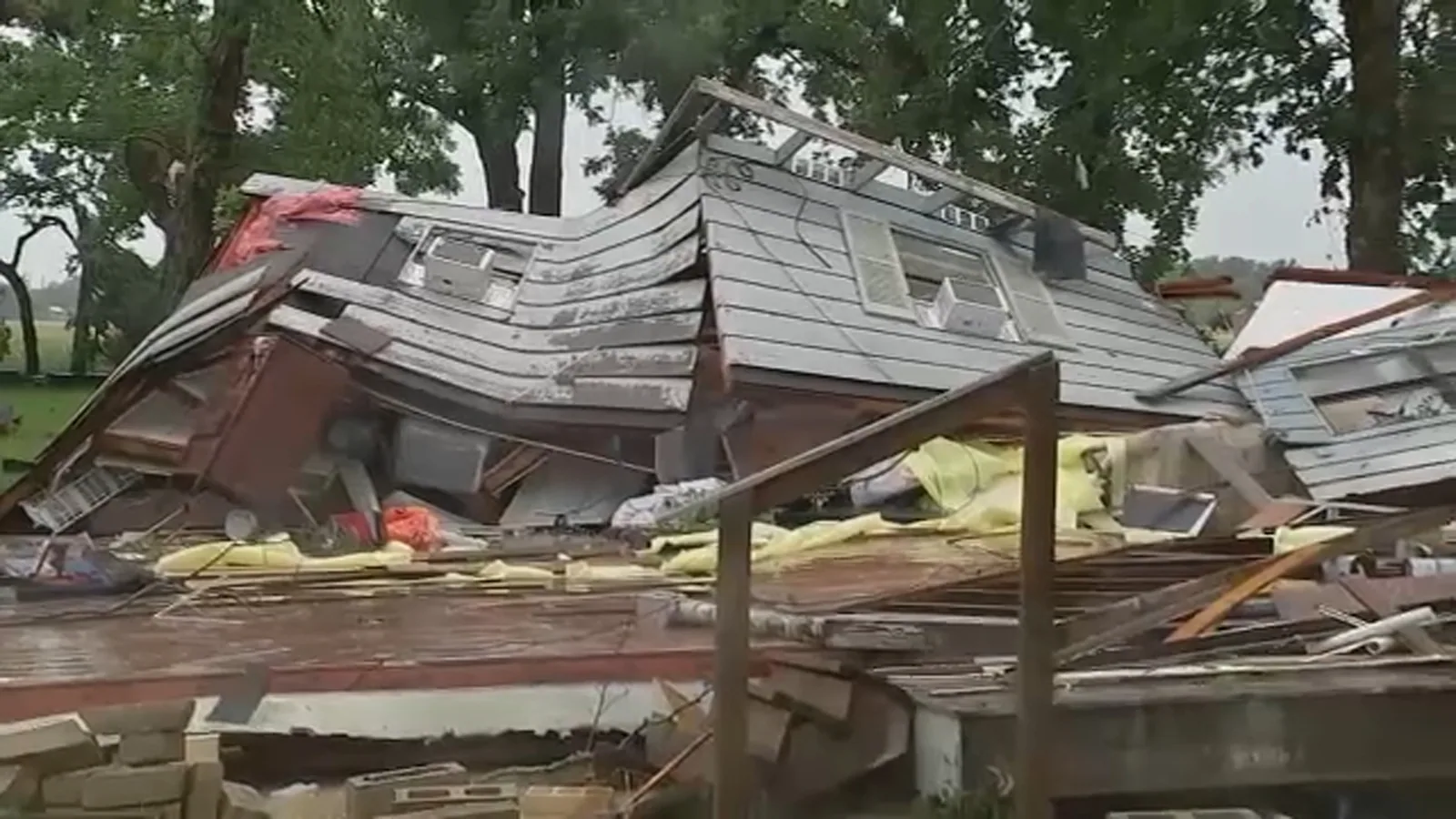
After a reported storm loss, the roofing record should connect observed conditions to the areas inspected and the work proposed. We document visible punctures, displaced metal, open flashing, and interior symptoms while distinguishing a roof observation from a conclusion about cause or coverage. A November 2011 tornado crossed Chester County into York County, where it caused three deaths and three injuries. We coordinate inspections around York or Chester with the property contact and other authorized project participants.
Record Roof Conditions After a Reported Event
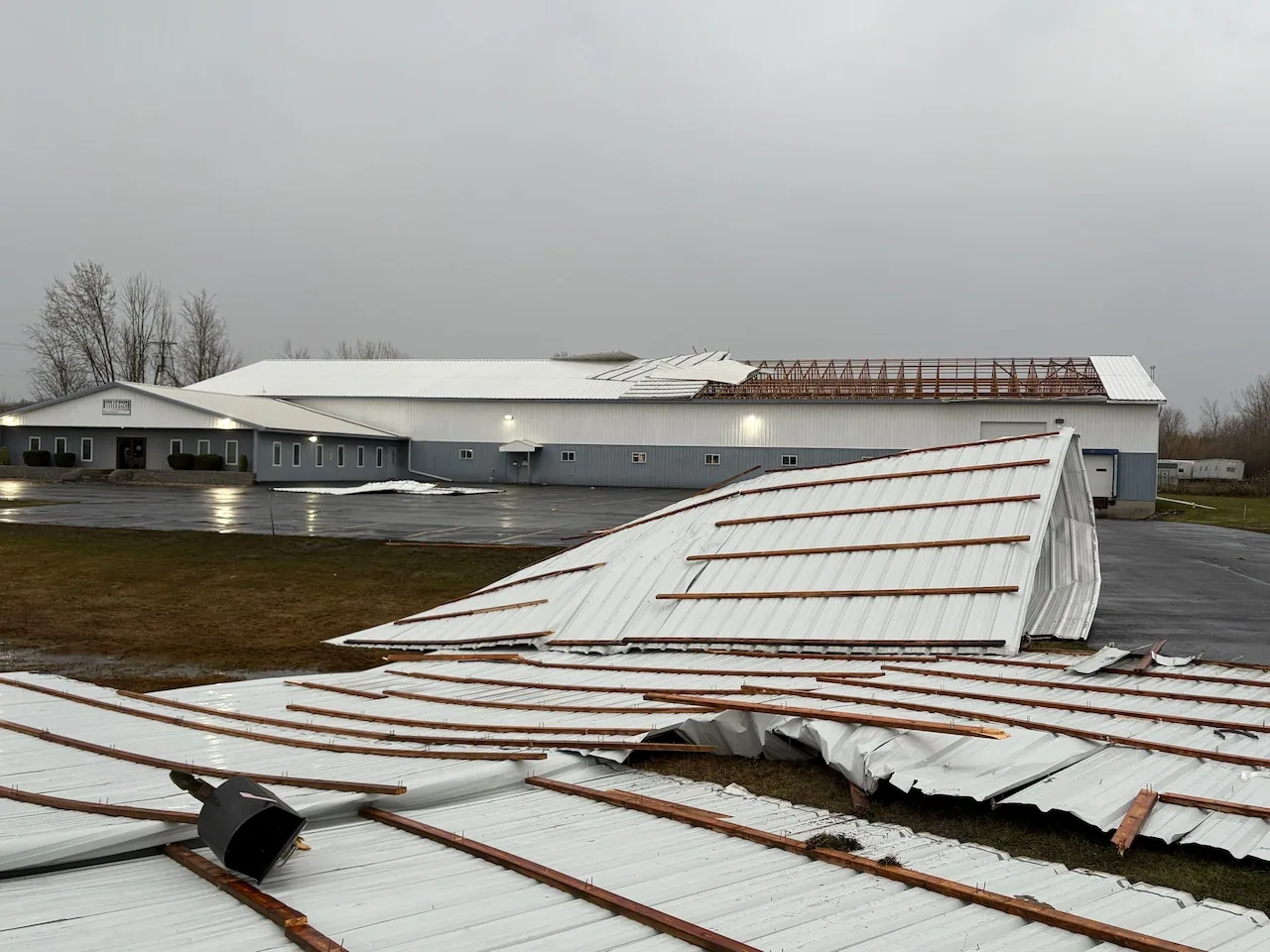
We begin with the reported date, affected rooms, available photos, and the roof plan or prior repair record. The inspection checks accessible membrane, metal, edges, curbs, drains, and transitions for visible changes. A storm-damage roof inspection can document openings, displaced material, and impact marks at the property.
Photographs should show the location, detail, and surrounding roof surface so a reviewer can understand the context. We note whether the area was safe and accessible, and whether a condition may have existed before the reported event. When older repair records are missing, we compare visible conditions with the reported timing and identify any area where the cause remains uncertain.
York County has a history of tornado and hail activity. In November 2011, a tornado crossed from Chester County into York County, causing three deaths and three injuries in York County. After a reported event, we inspect the actual assembly and tie each finding to the roof area reached.
Trace Water Entry and Separate Interior Symptoms
A ceiling stain can appear away from the roof opening as water follows deck, insulation, framing, or conduit. We compare the reported room and timing with nearby seams, drains, skylights, curbs, and wall transitions. A leak investigation records the route checked and whether the entry point was observed or remains uncertain. We keep interior damage notes distinct from roof findings.
If a test opening or moisture survey is proposed, we define its purpose, location, and closure method with the owner. We mark the test point and inspect connected roof zones before deciding whether more sampling is needed. If removal reveals wet insulation or damaged decking, we photograph the extent and identify the additional work area for approval before expanding the repair.
Temporary protection matters when a roof is open or a leak is active. The work plan states how the opening will be secured during a pause, who can authorize added work, and which interior areas may need covering. A separate ceiling or contents scope should be assigned clearly so the property owner and restoration team can coordinate without conflating trades.
Prepare a Measured Repair Scope
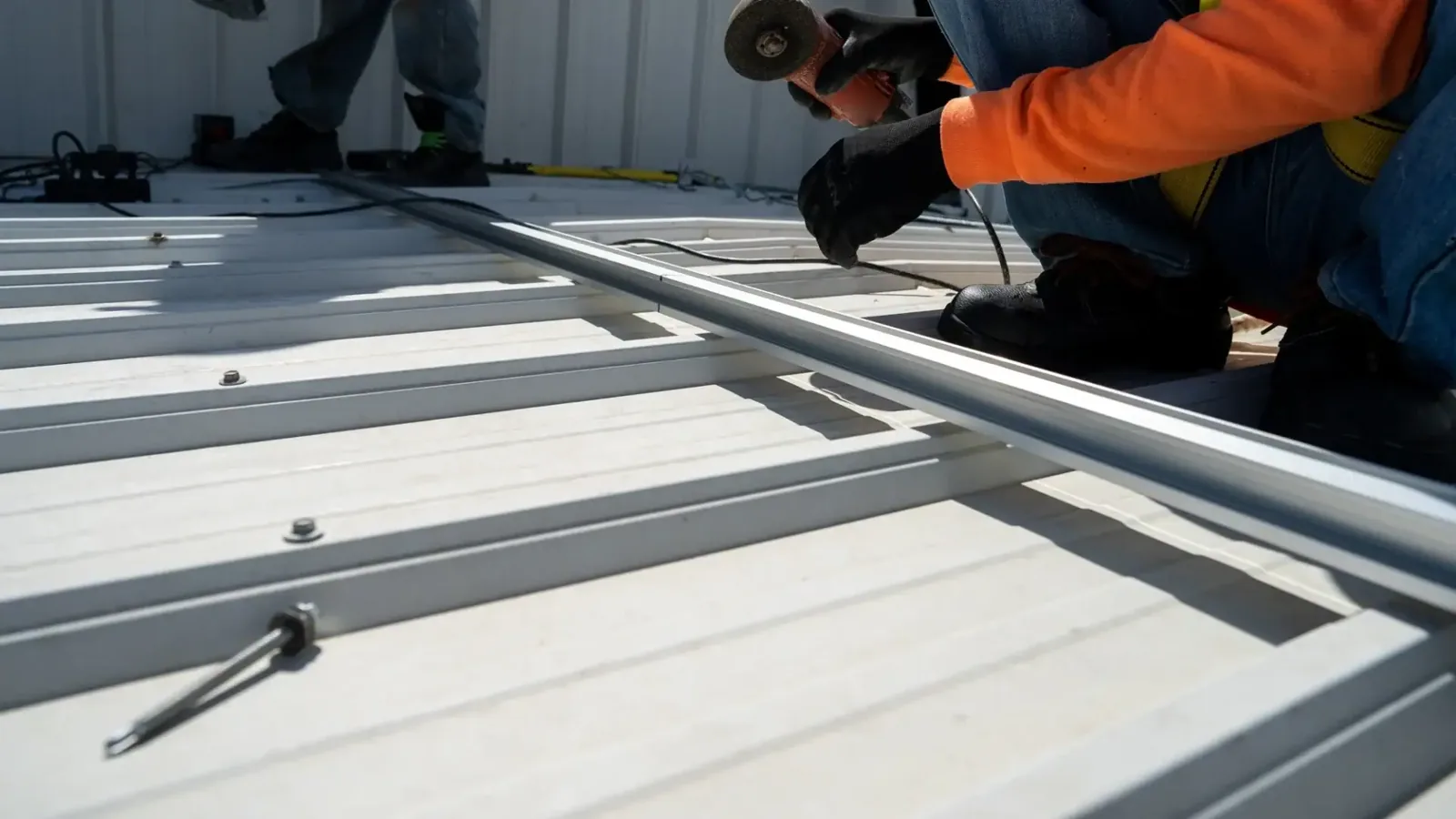
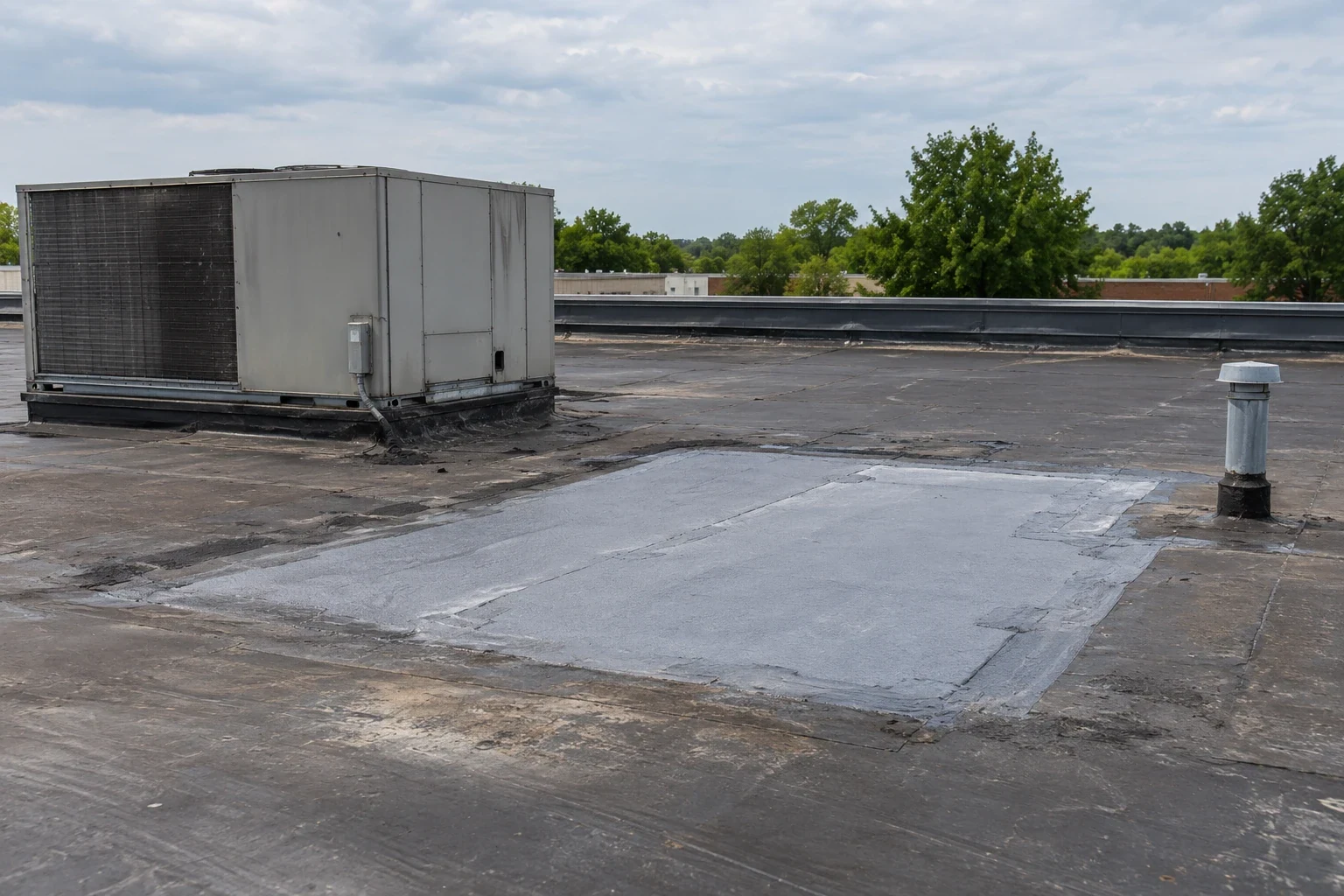
A repair proposal identifies roof system, affected area, preparation, materials, flashing, drainage, protection, and closeout. TPO, PVC, EPDM, bitumen, metal, and coating assemblies require different repair methods. We verify the material before choosing a patch and note uncertainty when an overlay or prior repair hides the original surface. The scope should distinguish emergency stabilization from permanent repair and identify each included roof zone.
Cost depends on roof material, repair length, access, number of details, disposal, and conditions exposed after removal. If the field condition differs from the initial report, we document it and request direction before changing the boundary. A commercial repair scope addresses the confirmed roof condition; interior finishes, mechanical service, and unrelated maintenance remain separate unless specified.
A claim documentation service can organize roofing observations and scope information for the owner's claim process. Coverage decisions and claim determinations remain with the insurer and policyholder. The roofing report describes field conditions and proposed work, not an adjuster's decision or a promise about reimbursement.
Coordinate the Owner, Contractor, and Restoration Team
Insurance restoration may involve an owner, adjuster, general contractor, mitigation company, roofer, and tenant or facility staff. Before work starts, we identify who can approve access, testing, temporary protection, and scope changes. A general contractor may coordinate the overall schedule, while a property manager can control tenant entry and building records. The roofing work boundary should remain clear to each party.
Rooftop equipment, electrical service, and interior drying may require other trades. We coordinate when equipment must move, who closes a temporary opening, and what inspection point confirms the roof connection after service. If the roof can be stabilized while a claim decision is pending, the proposal should label that work separately from any larger replacement plan.
For an occupied property, the restoration sequence should account for public entries, tenant operations, staging, deliveries, and interior protection. A phased plan may reduce the number of active zones, though weather and concealed conditions can change the schedule. The owner should know what rooms or roof areas need temporary restriction before the crew begins.
Keep Local Weather Context in Perspective
Humid summers and frequent rainfall shape how crews protect exposed roof areas during local projects. York County has a history of hail and tornado activity. For a reported loss, we check the actual opening, membrane, flashing, and drainage details, then record which physical conditions match the reported concern.
After high wind or hail, visible checks may include lifted perimeter metal, punctures, impact marks, torn flashing, or displaced equipment details. Some damage may be concealed or outside safe reach. A commercial inspection can establish accessible roof conditions and identify additional testing needs. The report should not describe an inaccessible zone as undamaged.
If another storm occurs before permanent work, a temporary cover or stabilization may be required. We identify the material and location protected, the limits of that measure, and any follow-up inspection needed. Temporary work does not confirm the final cause or replace a permanent scope.
Provide a Record That Can Be Reviewed Later
Closeout documentation can list inspection date, weather reported by the owner, areas reached, conditions observed, photographs, measurements, repairs, materials, and access limitations. We keep cause questions separate from physical findings so an insurer, owner, or contractor can review the roof work boundary and inspection record. A test location and repair limit should be identifiable from the notes.
Share policyholder or claim instructions supplied by the owner, but do not assume that they define roofing scope. We can provide a written description of proposed work and field observations for the customer's records. Any requested change to the scope should identify the approving party and the revised work area before the crew proceeds.
York and Chester are broad municipalities within the service region, and Rock Hill's development connects to the I-77 corridor. Each property still needs a site-specific inspection and documentation. We can help the owner organize a roof response around the observed conditions and identify where further access, testing, or insurer review is required.
Questions About Insurance Restoration
We can document visible roof conditions and compare them with the reported event and available records. Cause or coverage conclusions may require other evidence and remain with the responsible insurer or qualified claim professional.
With the owner's authorization, we can coordinate access and share roofing observations or a defined scope with parties authorized by the owner. The property contact identifies who can approve testing, repair, and changes to the work boundary.
Temporary protection can limit exposure at a defined location while permanent work is planned. We record the protected area and its limits, then identify the permanent repair that remains.
Provide the roof plan, reported event date, interior locations, prior repairs, photographs, access rules, and any claim instructions. We document areas inspected and distinguish observed conditions from questions that remain open.
Document a Commercial Roof Loss
Share the reported event, affected rooms, roof plans, prior repair records, claim instructions, and access contact. We will inspect accessible areas and document observed conditions, limits, and a defined roofing scope.
