


Commercial roof inspections and storm-related repairs in Chester, with each finding tied to the roof area and evidence documented onsite.
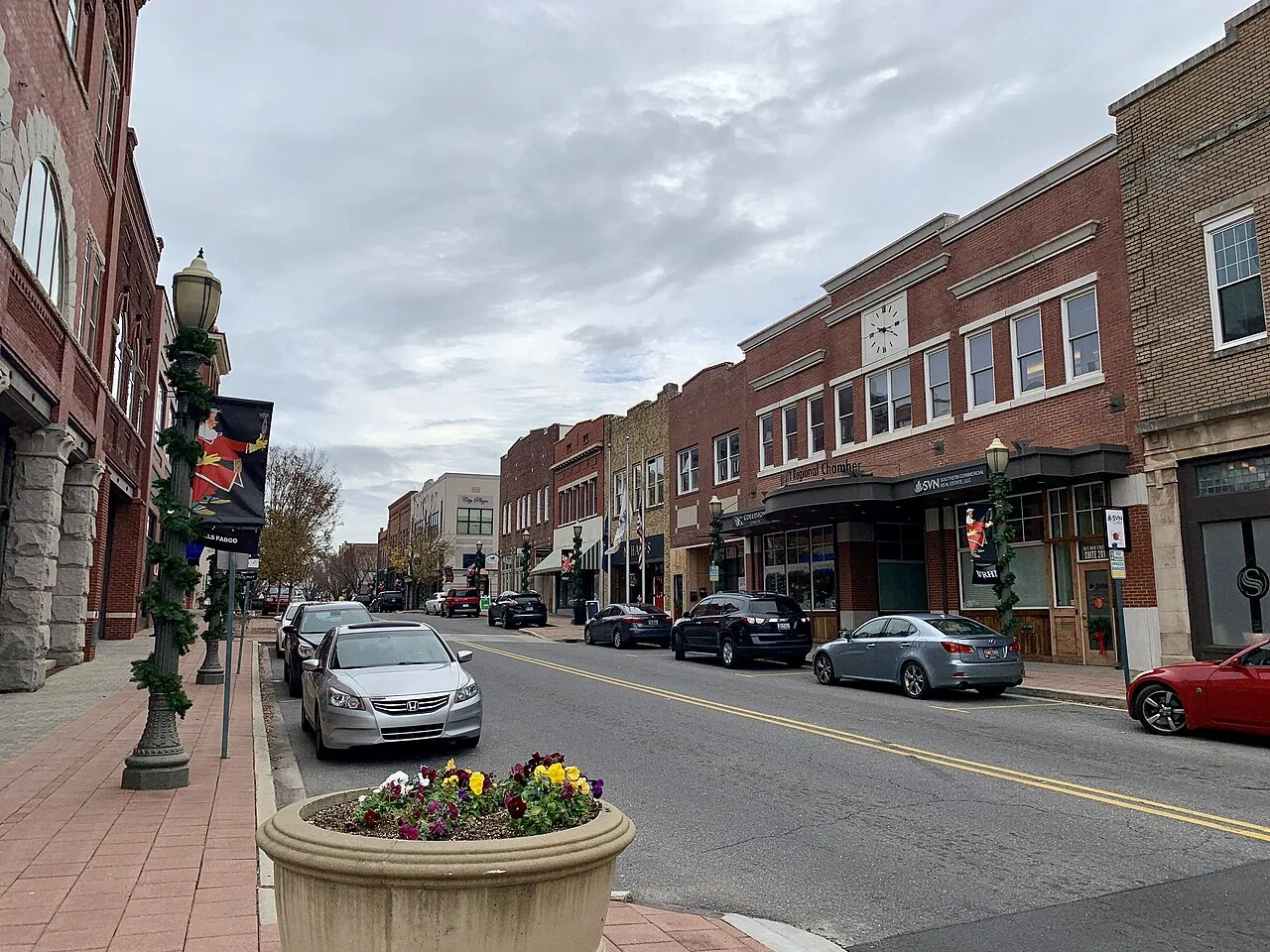
A November 2011 tornado crossed Chester and York counties. After a current severe-weather report, inspect the property's edges, seams, and flashing before deciding which repairs are needed. We inspect the actual membrane, edge details, drainage, and equipment connections before defining work. Chester is a county-seat city south of Rock Hill on the Piedmont; our regional routes also cover York and Richburg.
Inspect the Roof After a Reported Event
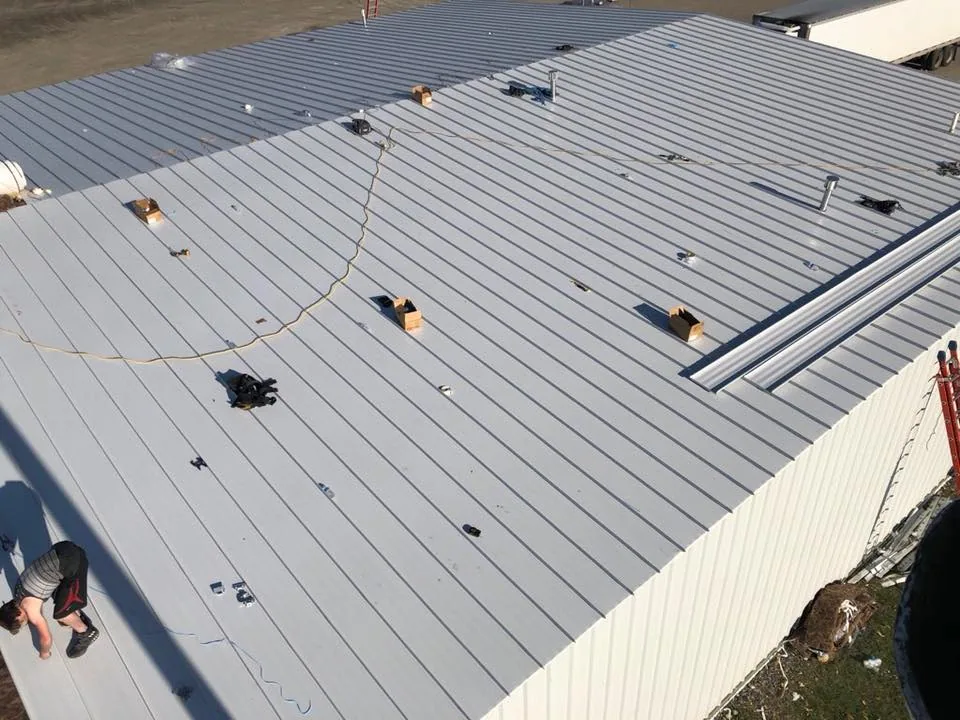
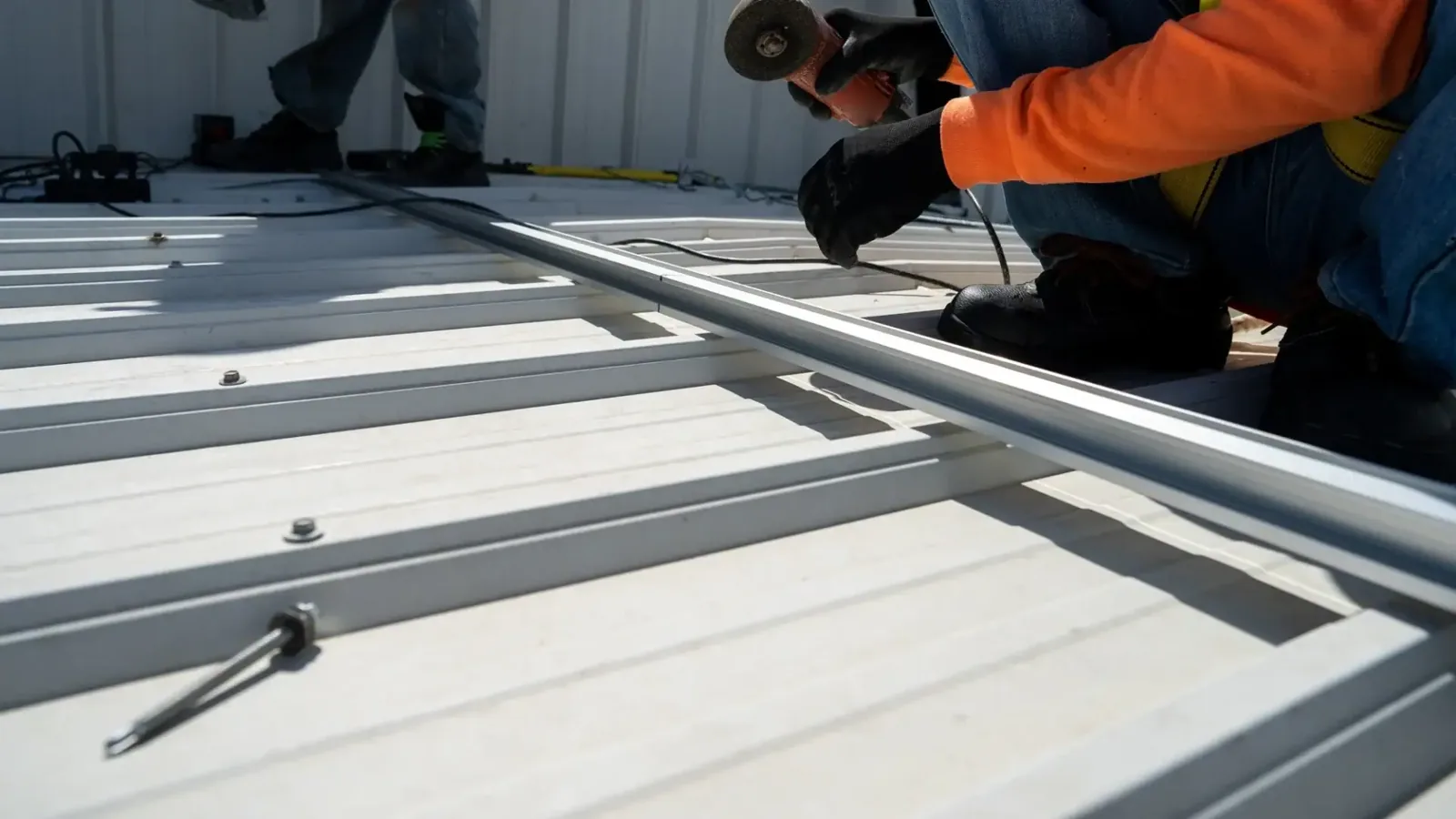
After a severe-weather report, we check accessible membrane or metal for displaced material, open seams, lifted edges, damaged flashing, and debris impact. A commercial roof inspection records the areas reached, photographs visible findings, and marks anything that needs a closer test. The inspection photographs visible findings and identifies which roof details need a closer test before repair is scoped.
Chester connects with Rock Hill through US 321 in the county and regional maps. That route places the city within the service network, but the property contact determines gate access, delivery path, and roof entry. Before a lift or material arrives, we confirm those site rules and identify whether equipment or occupied areas restrict the inspection route.
If water entered a commercial building after a storm or during regular rain, we compare the interior location and timing with seams, curbs, outlets, parapets, and roof-to-wall transitions. A leak investigation follows the details that could carry water and records whether an entry point is confirmed. A ceiling stain alone does not show where the roof opened, so unresolved paths stay identified until testing narrows them.
A roof with prior repairs may show movement around a patch or edge after a weather event. We compare those details with earlier photos or service records, then identify any visible change. If the surface remains intact but moisture is suspected beneath it, a survey or test opening may be appropriate. The report defines that test's location and closure plan rather than treating it as a roof-wide conclusion.
Separate Weather History From Roof Evidence
After a new storm report, compare earlier and current photos, then document punctures, displaced metal, membrane tears, or open flashing by roof zone. The work scope names each confirmed detail to restore.
Rock Hill's warm, humid Carolina Piedmont brings regular rain through a long season; at a Chester property, we check outlets and prepare secure end-of-shift protection whenever a repair opens the roof. We inspect the actual drainage route and material at the property before attributing water entry to weather or recommending a permanent repair.
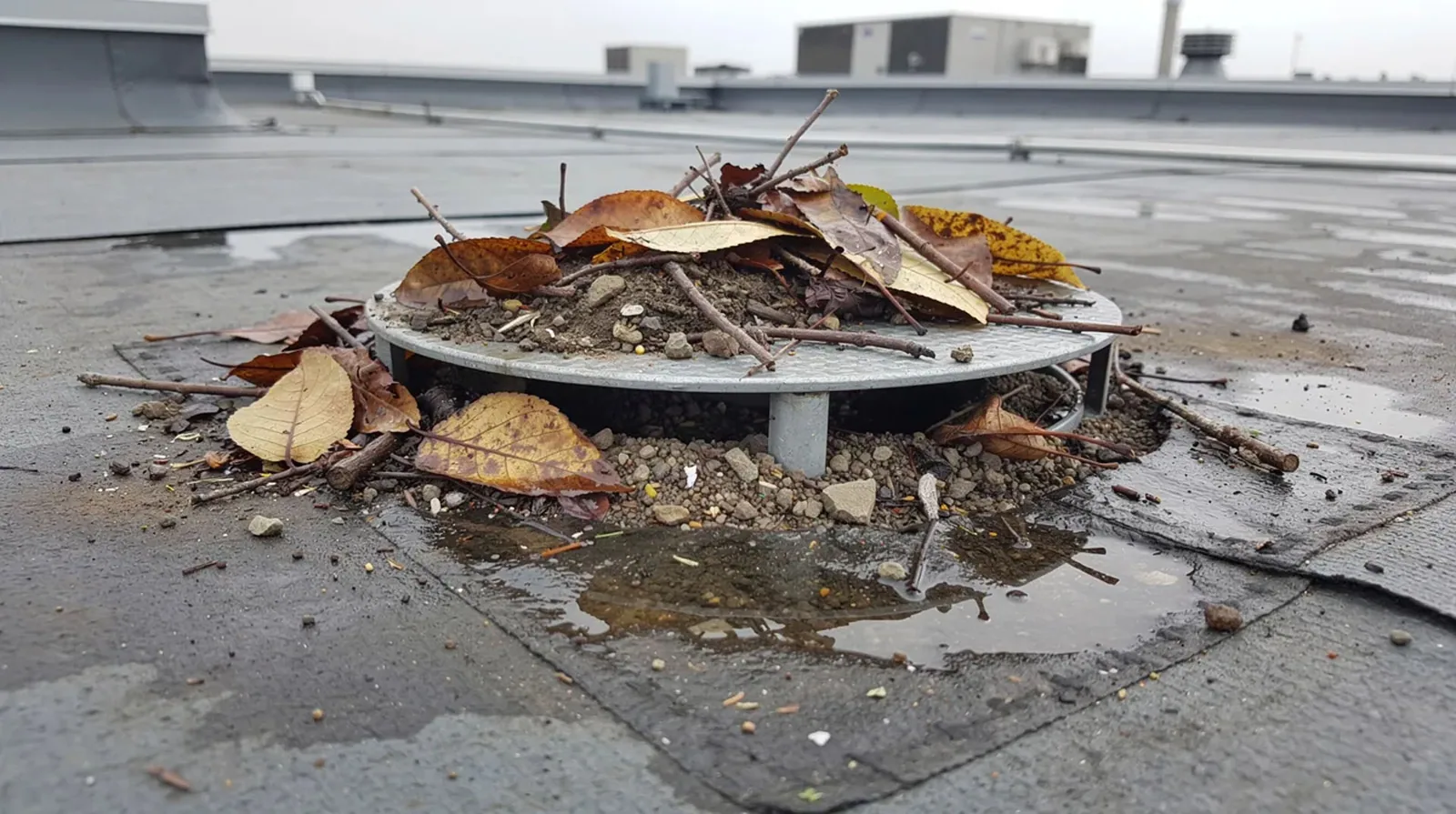
At an outlet, we check the bowl, scupper, gutter, overflow, membrane tie-in, and visible discharge. A blocked opening, failed connection, and low area that retains water need distinct remedies. A drain and scupper repair can correct a confirmed roof detail; concealed piping may require a separate inspection. We list where the visible surface review ends.
At the perimeter, coping, fasteners, sealant, flashing laps, and roof edge attachment can show movement or separation. We check nearby seams and penetrations as well, because water may enter away from the interior mark. The finding is tied to a roof zone and evidence, with any untested section kept outside the confirmed repair boundary.
Protect the Building During Removal
Before cutting or removing roof material, we identify which rooms or work areas sit below the repair zone. The property contact confirms access, escort needs, staging, lift position, delivery route, and any entrance that must stay available. If the building is occupied, we coordinate a barrier and interior protection plan before the opening is made.
A phased sequence can limit the amount of roof exposed at once, but the weather, material preparation, and conditions below the surface affect progress. We state how temporary protection will secure an opening if work pauses. The owner or manager coordinates notices unless a written agreement assigns that task to our crew. The schedule also identifies who can authorize an expanded boundary.
If removal uncovers wet insulation or damaged decking, we protect the opening and document the extent. The authorized contact reviews the added work before the crew proceeds beyond the initial area. Structural assessment, electrical repairs, and interior restoration stay separate unless included in the roofing agreement. That keeps the response tied to the material actually affected.
When equipment, conduit, or plumbing crosses the roof, we inspect flashing and support details within the scope. Another trade may need to move or service the equipment before the membrane can be restored. We identify the handoff, temporary cover, and final tie-in so the roof is not closed over an unresolved penetration.
Define the Right Repair Boundary
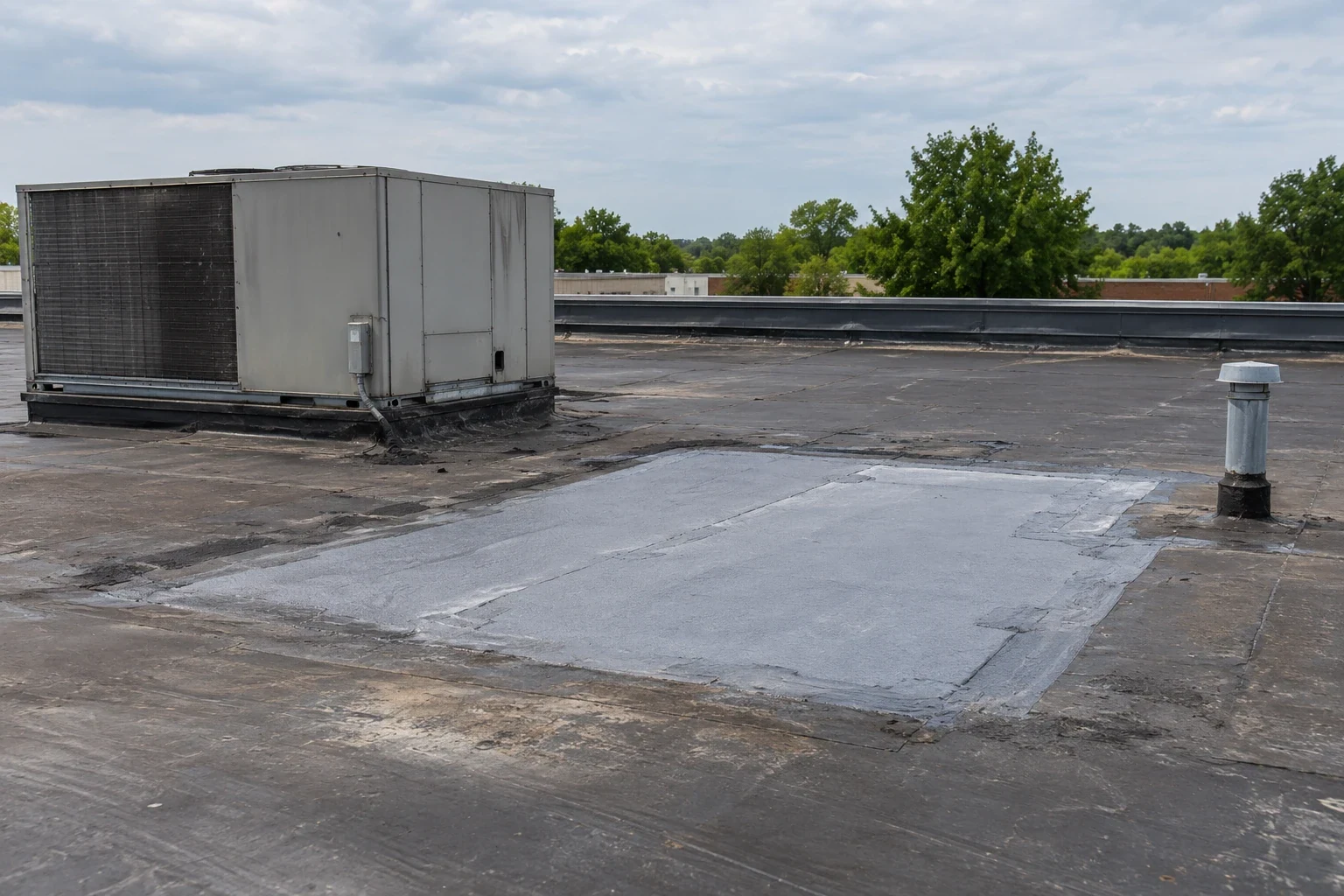
A localized patch may be appropriate when inspection confirms one opening and the nearby assembly remains stable. Multiple tears, repeated leaks, widespread moisture, or edge failure may call for testing or a larger renewal comparison. The repair plan maps the affected section, compatible material, access, and closure steps, and lists roof areas outside the inspection.
Cost and timing depend on roof material, repair size, detail count, weather exposure, access, staging, disposal, and concealed conditions. A recover or replacement proposal needs assumptions about existing layers, insulation, drainage, penetrations, and perimeter work. If a moisture survey or sample could change the chosen method, we explain the question it will answer before expanding the scope.
The repair proposal lists storm-related work separately from pre-existing maintenance findings, and the owner can approve immediate protection while deciding whether a broader survey is needed.
If the visit identifies an active opening and other areas for follow-up, those items can be listed separately. The owner can authorize the immediate protection or repair and decide whether a survey or broader assessment is needed. Each item states its work boundary so the closeout reflects what was completed, not what remains a possibility.
Keep the Storm and Repair Record Clear
Inspection notes identify the roof zones reached, visible damage, photos, material, repairs, and any area that could not be examined. If prior records are available, we can compare them with current field marks to locate a change. The report separates confirmed damage from a suspected path or an open testing recommendation.
A maintenance visit can return to repaired edges, seams, drains, and penetration flashing after the initial work. Share roof plans, prior storm photos, repair records, access limits, and equipment history before scheduling. A follow-up route can focus on the details that were affected or remained outside the first inspection.
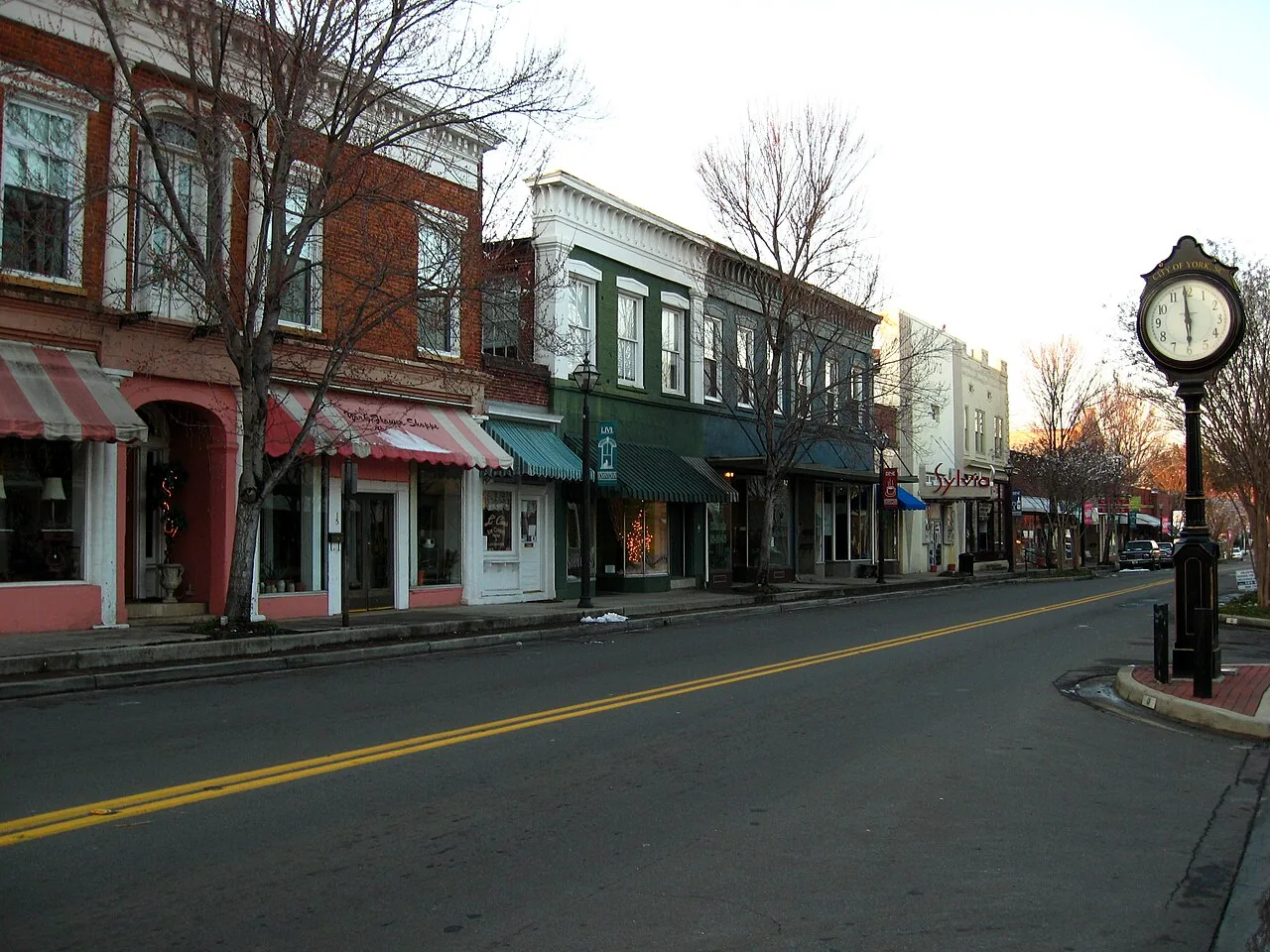
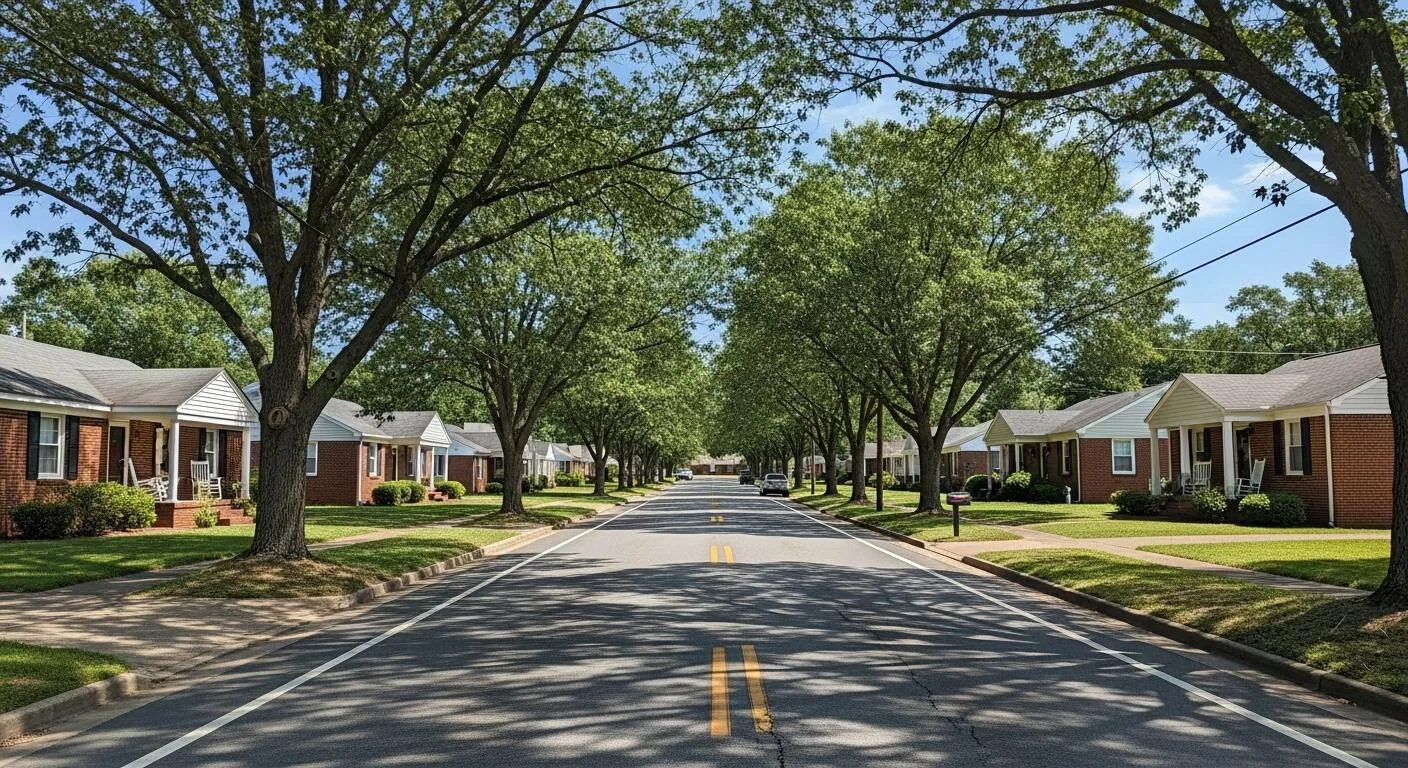
Chester and York are county-seat communities connected through the regional highway map, with Rock Hill serving as the county's major commercial market. Each building still needs its own inspection record. We document which roof section received work and what needs another check, so a later manager can use the same terms and zone labels.
For an inspection, provide the property use, event or leak history, roof plan, and access requirements. We will identify what the roof shows and whether a localized repair, moisture survey, or broader comparison is supported. The report states where the evidence ends and what remains open.
Questions About Chester
No. The property's current roof condition comes from the areas inspected, the symptom reported, and any records available for comparison. We inspect the roof for visible impact and document any evidence found.
We review accessible edges, seams, flashing, drains, and penetrations, then compare visible changes with prior records. We check accessible edges, seams, flashing, drains, and penetrations, then compare findings with prior records.
Yes. We compare the interior symptom with the roof geometry and record whether the entry point is confirmed or requires more testing.
The scope depends on damaged area, system, access, protection, material, and concealed conditions. We list confirmed repairs separately from optional testing or unrelated maintenance.
Inspect a Commercial Roof in Chester
Share the building use, storm or leak history, roof plan, and access limits. We will inspect the defined area and document the repair or follow-up supported by field evidence.
