
Track roof systems, inspections, repairs, and follow-up needs across a commercial property portfolio with clear building-specific records.
A useful roof asset record connects each building, roof zone, system, and repair history without treating different roofs as interchangeable. We inspect accessible conditions, organize evidence, and identify the next decision each property needs. Rock Hill's portfolio includes industrial parks and mixed-use districts such as Riverwalk Business Park and Knowledge Park. Those broad areas contain varied uses, so the asset record starts with each building's own plan and field conditions.
Build a Consistent Roof Inventory
An inventory can record the building identifier, roof plan, system, area, access route, known installation or repair dates, warranty documents, and inspection status. We use the owner's labels and preserve gaps when records are missing. A roof that has not been tested or reached remains marked accordingly rather than assigned a condition based on neighboring assets.
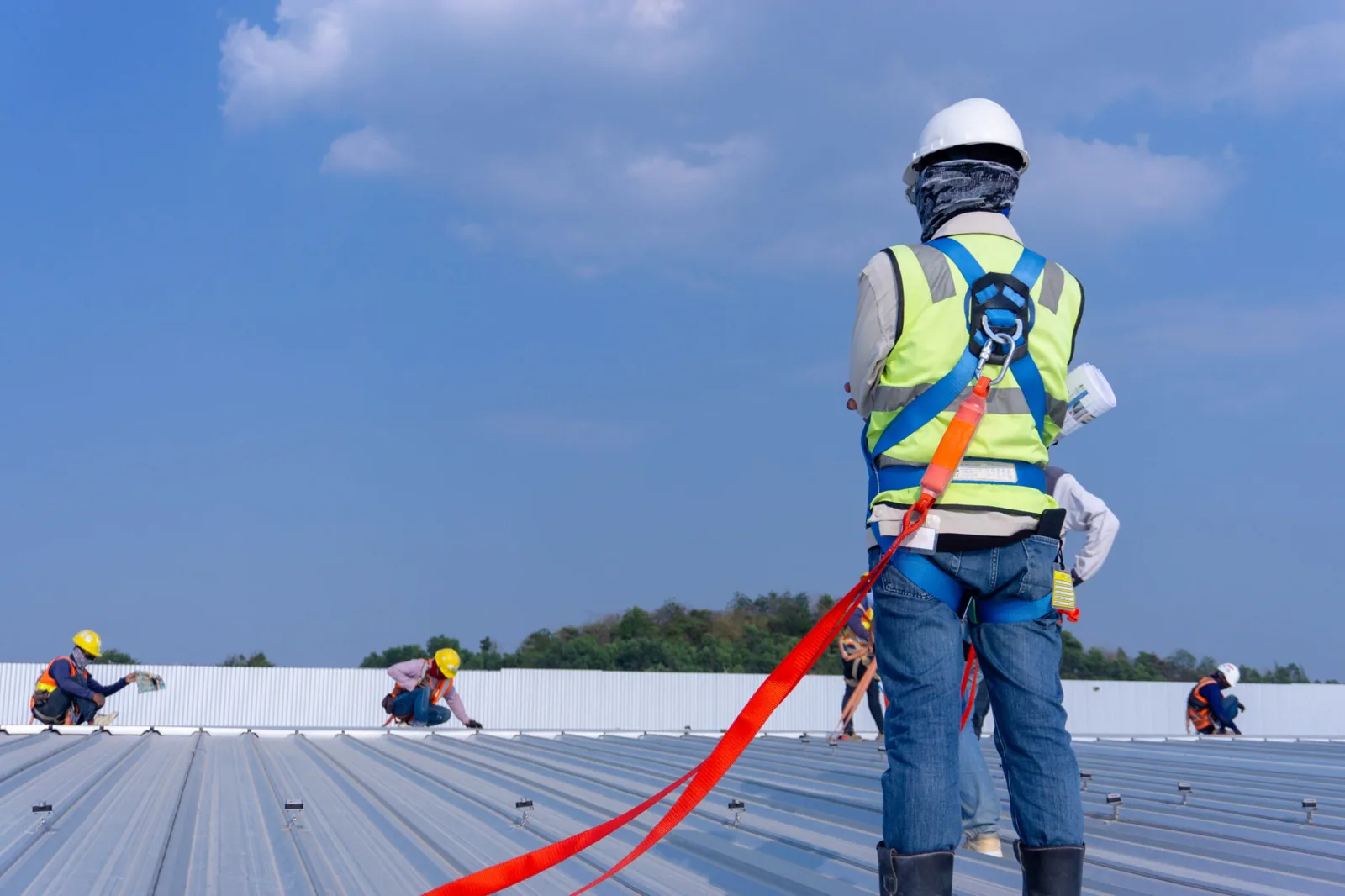
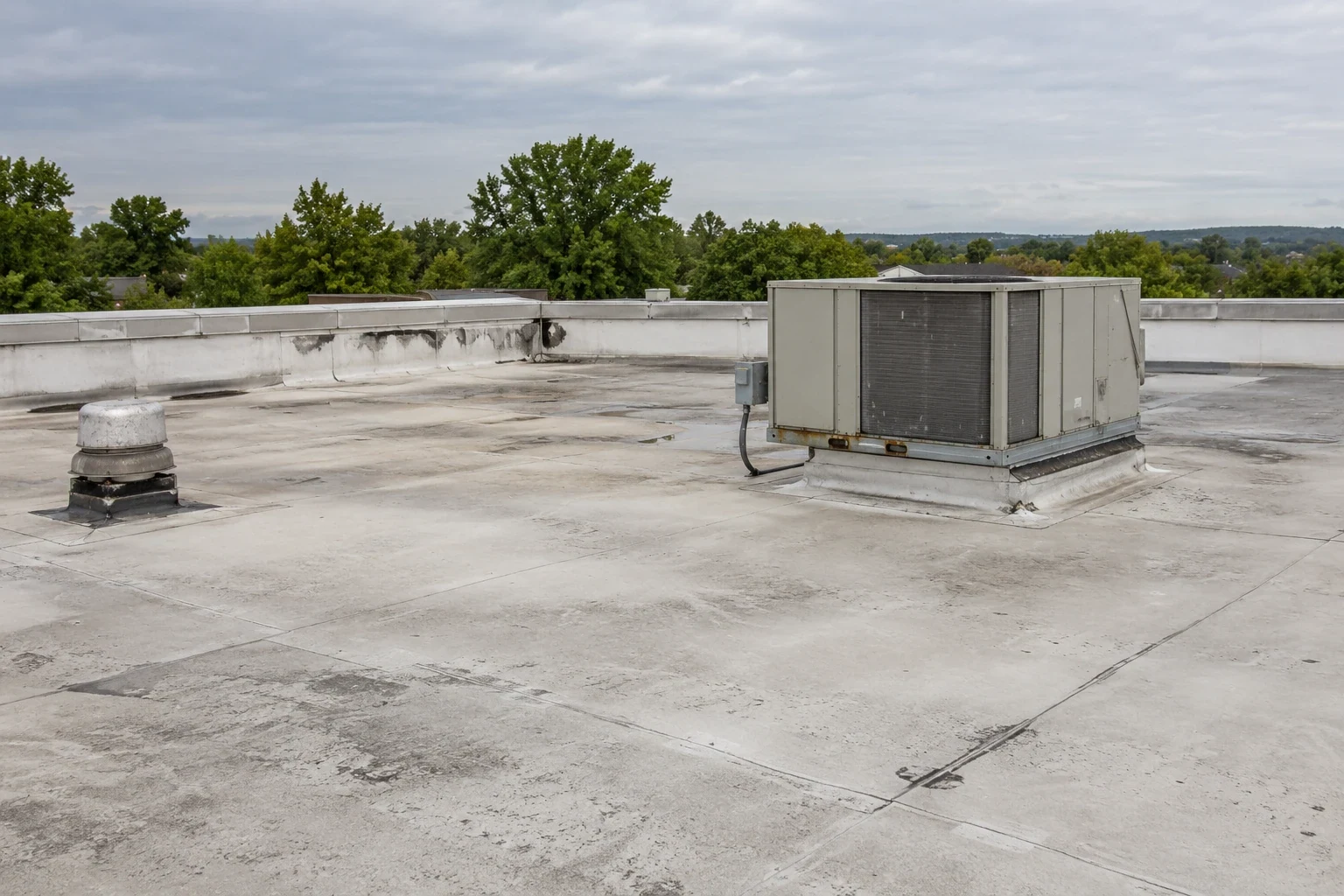
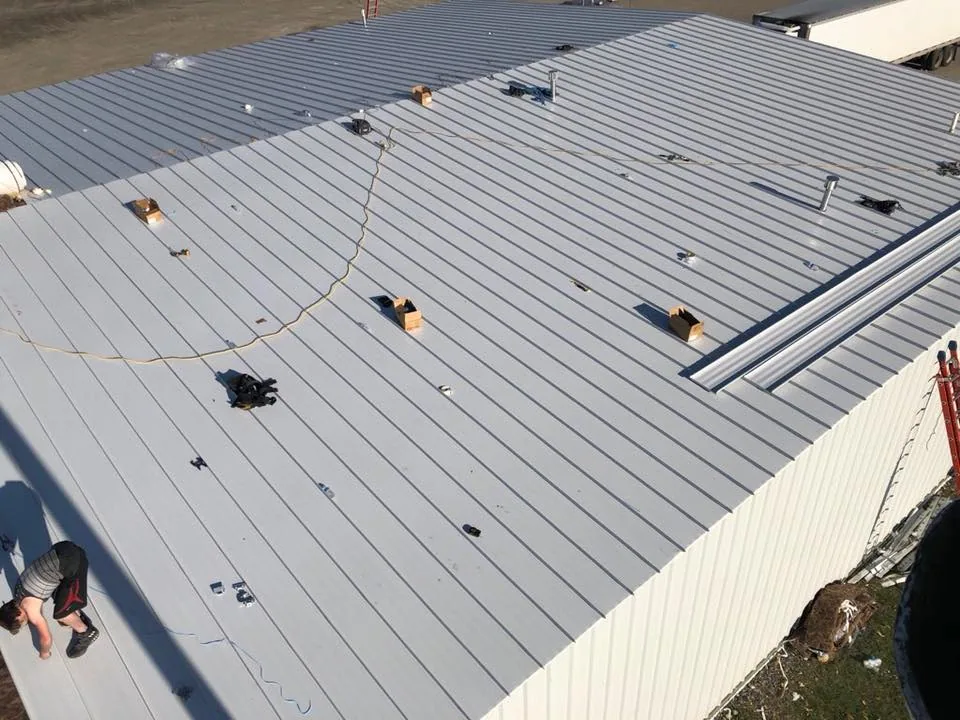
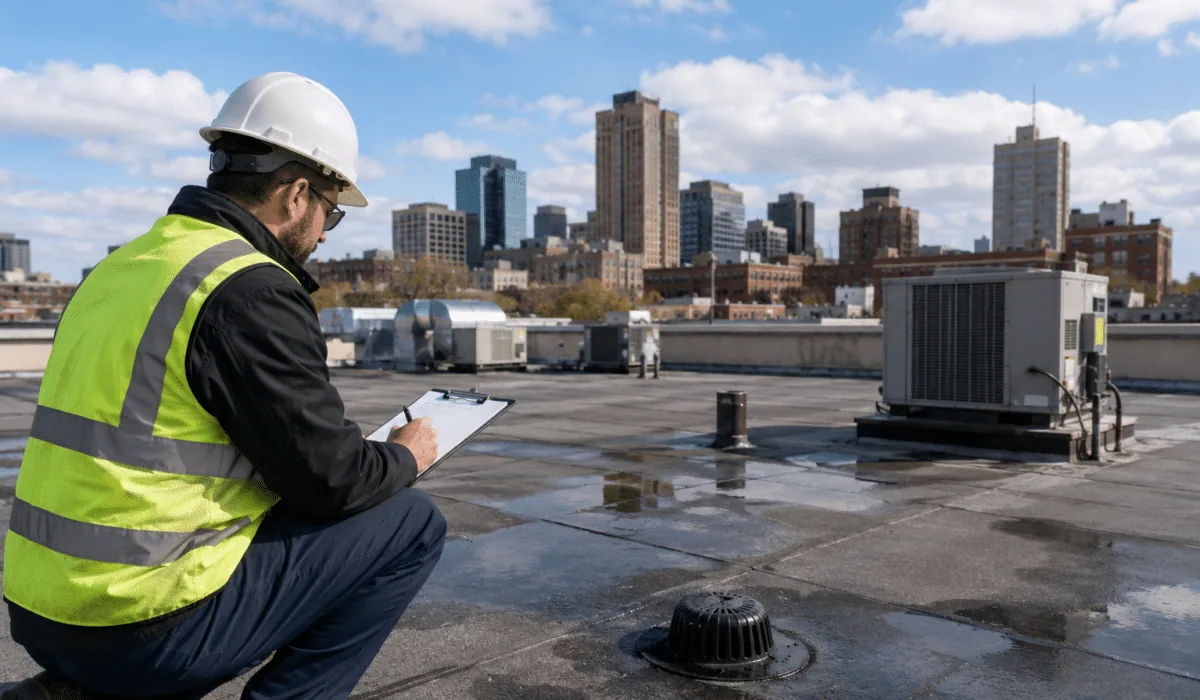
A commercial roof inspection can add surface observations for seams, drains, penetrations, edge metal, coatings, and previous repairs. The visit identifies which sections were accessible, what was found, and whether testing is warranted. One visual inspection is not a destructive assessment of every layer, and the inventory keeps that scope limitation visible.
Rock Hill's regional economy spans technology, industry, and entrepreneurship, with business parks and mixed-use redevelopment. York County's I-77 South corridor continues to develop industrial and commercial uses. Rock Hill's portfolio spans distinct property uses, so we assign each building its own roof-zone map, assembly record, and condition history. Each record should identify evidence specific to that asset.
For a leased site, a useful inventory can also preserve access contacts, tenant notification requirements, and responsibility for routine checks. For a campus, separate roof identifiers may match building or wing names used by facilities staff. We record those relationships from owner-provided plans instead of creating labels that could be mistaken for official building identifiers.
For properties with additions or multiple roof levels, a single building label may be too broad. We can use zone identifiers tied to roof plans, drain groups, or tenant areas. That structure helps staff compare follow-up reports without assuming the same system continues across a transition or connected wing.
Connect Service Visits to the Asset Record
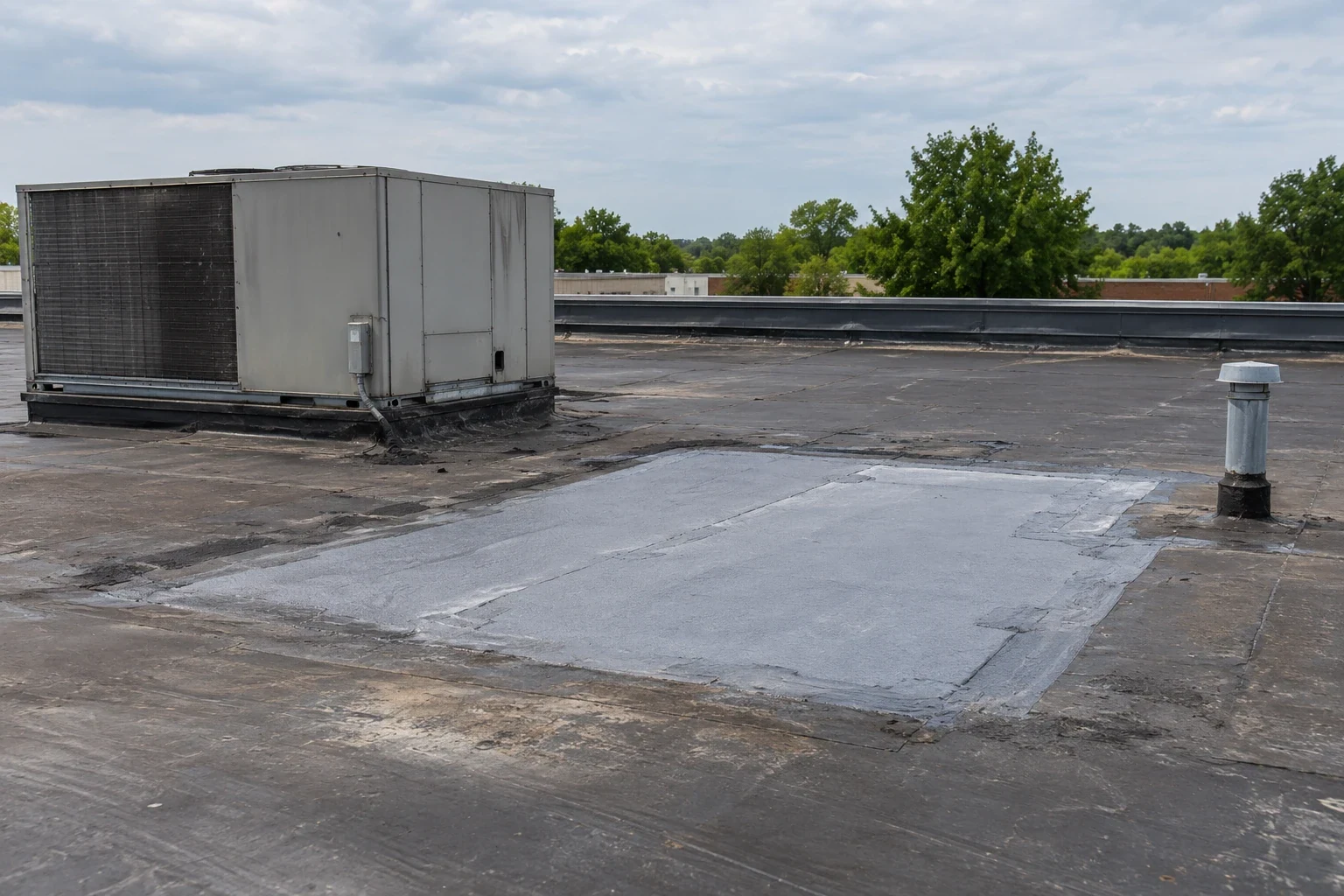
A maintenance visit can log accessible drains, seams, curbs, penetrations, coping, and prior patches. The record identifies actions completed separately from items that need a repair proposal. A preventive maintenance visit can revisit known trouble areas and identify new observations, with the route based on roof type and owner priorities rather than a universal interval.
When a leak is reported, staff can connect the room, date, and event to a roof zone and earlier repair. Water may travel before appearing inside, so the prior record guides the inspection route; we confirm the entry path against the roof details reached. A leak investigation can trace the route and show whether the source has been confirmed.
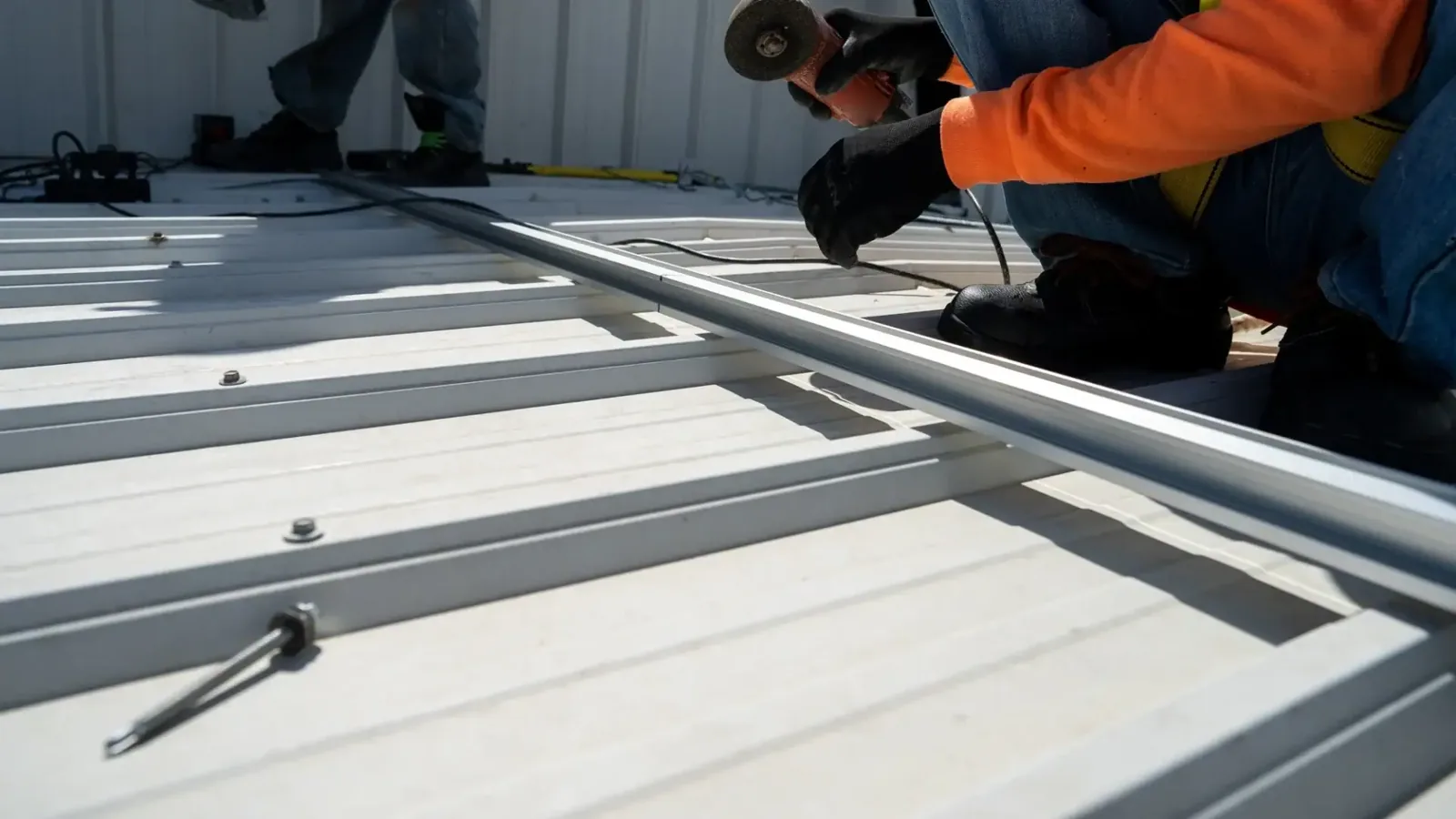
Equipment work can change the roof. If a unit is moved, a curb is replaced, or conduit is added, the asset record should show who restored the membrane connection and whether the detail was inspected. We can update that zone after work, preserving a note if the equipment contractor's scope or roof closure could not be verified.
Rock Hill's regular rainfall and long warm season make drainage and exposed details useful recurring observation points. A seasonal check can note blocked outlets or visible wear, but a single visit cannot predict every future performance issue. The record states date, weather context where supplied, and areas reached.
Rank Follow-Up by Evidence and Business Need
Asset management works when findings are linked to a clear action: monitor, clean, repair, test, design, or compare renewal. We separate urgent openings from routine wear and from conditions that remain unconfirmed. The owner can set priority based on facility use, access, budget, lease responsibilities, and project timing.
A commercial roof repair can address an identified defect, while a replacement project may address broader deterioration. Cost and schedule depend on roof system, area, details, access, material, protection, and concealed conditions. We avoid using one building's condition to set the priority of another without inspection.
I-77 South carries industrial and commercial development through York County. For an owner tracking both Riverwalk and another local district, the asset record can group buildings by portfolio without merging their roof findings. Each property should retain its own photos, work boundary, warranty information, and approval status.
If a test cut is needed, the location and closure method are recorded. If removal reveals wet insulation or damaged deck, the finding becomes a separate scope question. An asset register should distinguish between a completed repair and an unresolved item waiting for the owner's decision.
Turn Inspection History Into Capital Planning
Repair dates, recurring leaks, system transitions, moisture findings, and maintenance history can inform a capital discussion. The record should still show the limits of each inspection; observations from accessible areas do not establish concealed conditions. We can organize photos and recommendations so an owner can compare work by building and zone.
A roof capital plan can relate near-term repairs to longer-range renewal options. A condition report can provide the supporting inspection record. Capital timing remains the owner's decision and may depend on budgets, leases, design, and operating constraints. Our role is to identify what the roof evidence supports and what remains unknown.
Where a building is being acquired or refinanced, the inventory can preserve inspection dates, test locations, and repair limitations for later review. Where facilities span cities, the same fields can support comparison without imposing identical conclusions. A portfolio's common process can be standardized while each roof retains its own condition and scope.
Keep Records Useful Through Staff and Vendor Changes
A roof file is more useful when it contains the current plan, area labels, dates, repair descriptions, photographs, product information, and open questions. We identify who supplied the information and note gaps that could affect the next repair. If the prior contractor's documentation is incomplete, we do not assume what was installed or warranted.
Share building lists, roof plans, leak logs, maintenance schedules, mechanical project notes, and warranty documents. We can use the portfolio's preferred naming convention and add verified findings after an inspection or repair. A warranty review can help locate required documents and maintenance records, subject to the actual manufacturer's terms.
Rock Hill's business parks and downtown investment reflect a changing local building portfolio. A roof asset record can help property teams maintain continuity as tenants, managers, or vendors change. The next recommendation should still follow fresh access and field evidence rather than an old status label alone. A date-stamped file helps teams check what changed since the last visit.

Questions About Commercial Roof Asset Management
Building and roof-zone labels, system information, plans, inspection dates, photos, repairs, warranty records, access limits, and unresolved questions create a useful record. Missing information should remain identified as unknown.
A visit can cover several properties when each is in scope, but every roof needs its own observations and limitations. We do not generalize one building's material or condition to another.
A consistent history can connect leak reports, equipment changes, prior patches, and maintenance observations to the correct roof zone. The current condition still needs confirmation before a new scope is set.
Yes. Share the current inventory and roof plans, and we can record findings using the property's own building and zone names while noting any mismatch found in the field.
Organize Your Commercial Roof Records
Share building labels, roof plans, maintenance history, leak reports, repair documents, and warranty files. We will document accessible conditions by property and identify the next evidence or action needed.
