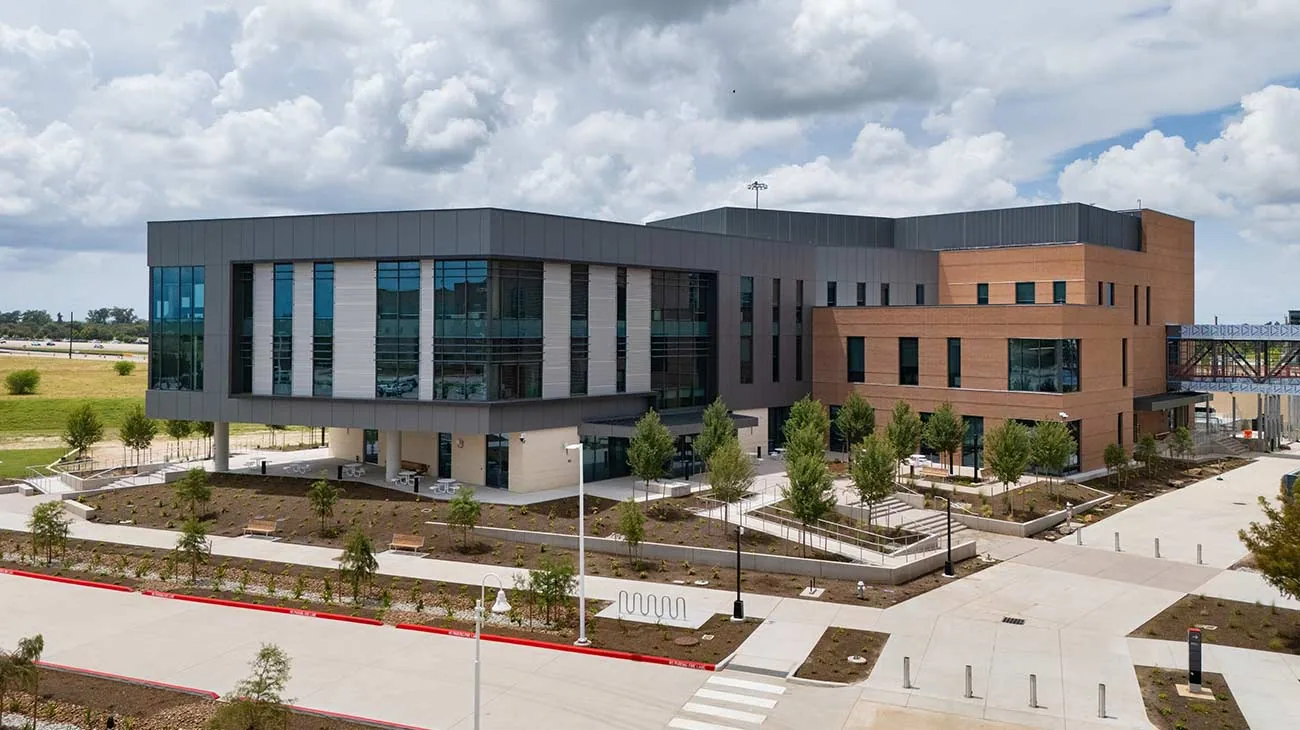
Coordinate college and university roofing in Rock Hill with leak tracing, campus access planning, drainage checks, and repairs phased around academic use.
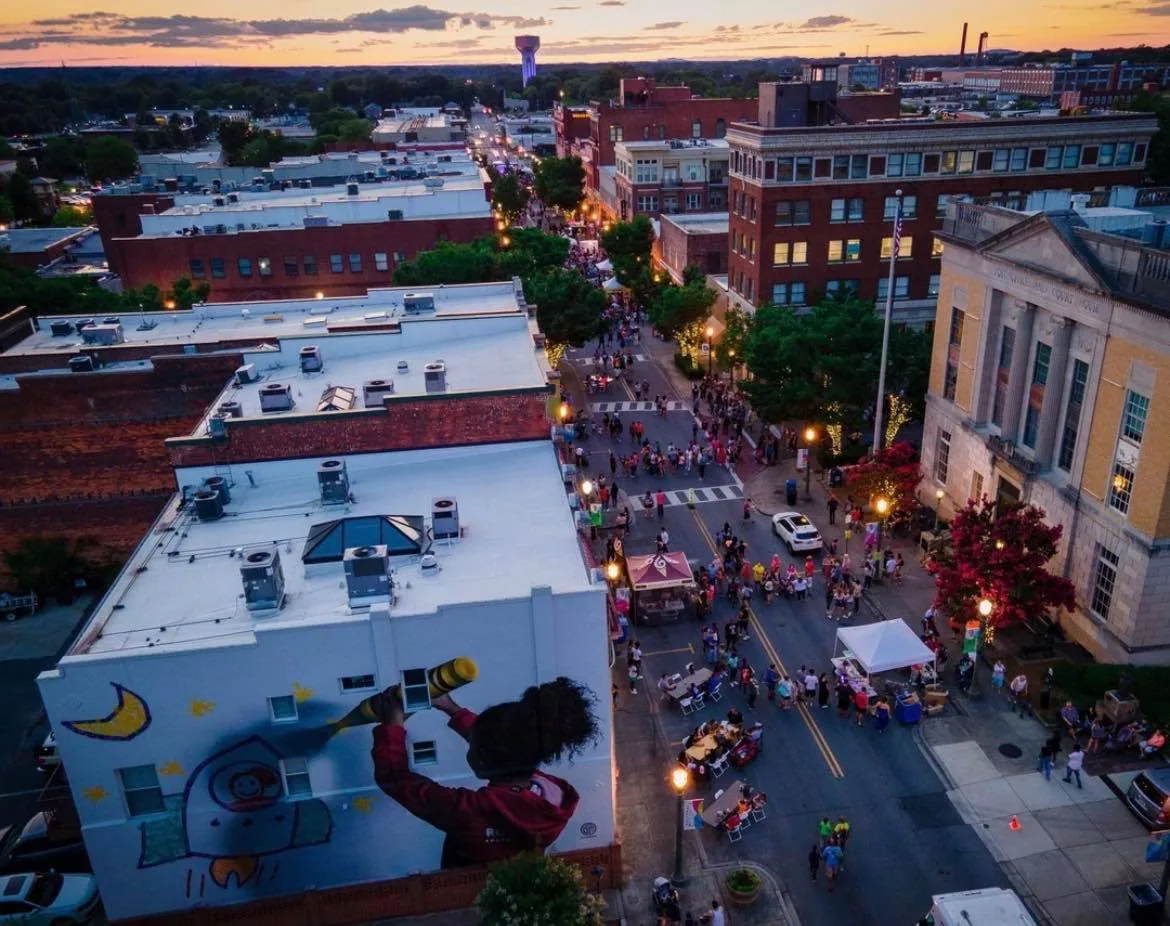
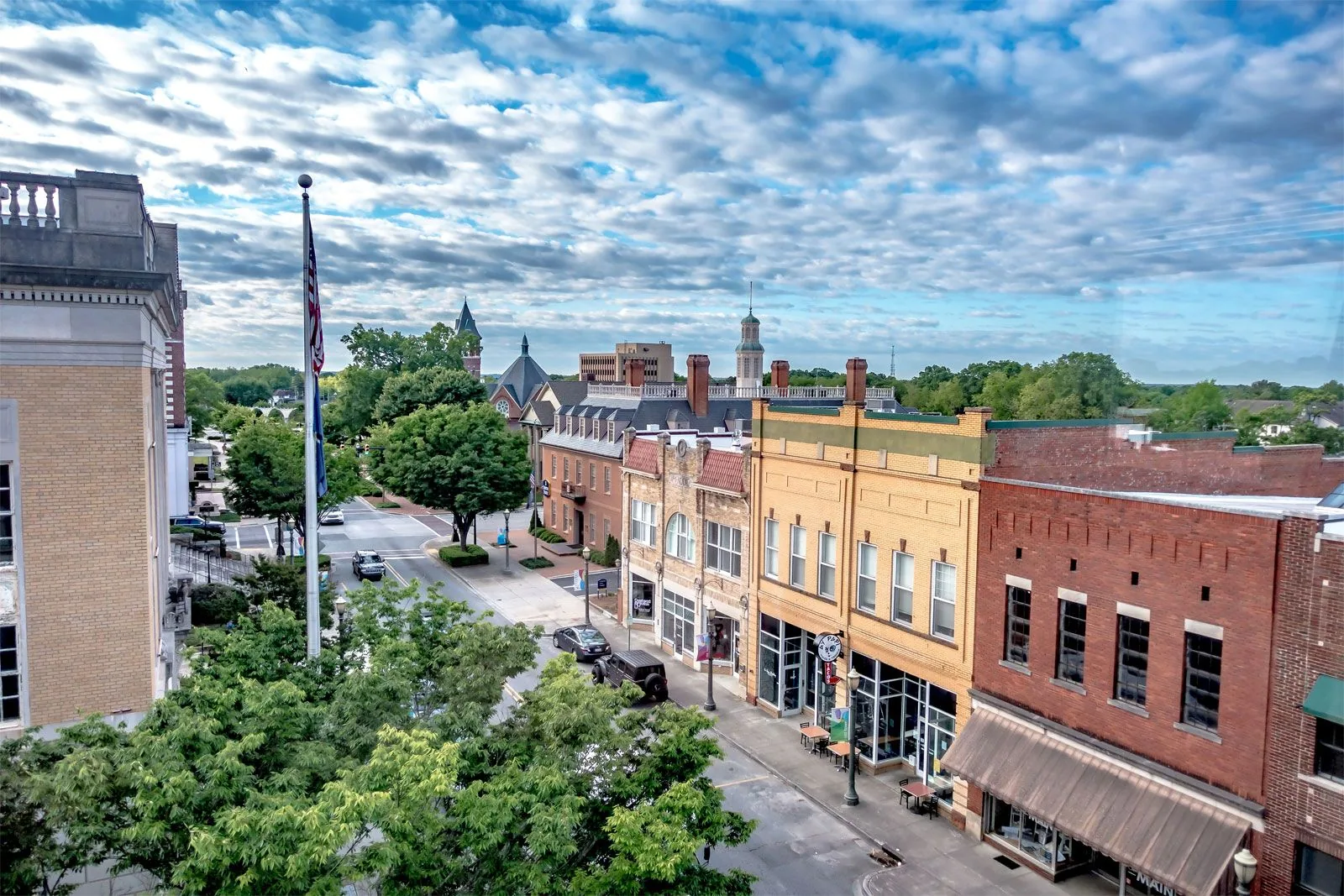
A campus roof can span classrooms, residence buildings, offices, dining spaces, and shared walkways, each with a different access path below. We identify the building and roof zones involved, inspect the reported condition, and coordinate staging with the campus contact. Knowledge Park links downtown Rock Hill with Winthrop University across a 1.5-mile mixed-use area that includes technology and creative businesses. The broader city also combines institutional campuses, recreation venues, retail centers, and redevelopment. Those building uses make access coordination important, while the actual roof determines repair materials and scope. We plan work near Knowledge Park or the surrounding downtown district.
Map Buildings and Roof Zones
We start with the campus roof plan, building use, known additions, and the location of the reported issue. A mark on one wing does not describe the condition of a connected hall or nearby building. We inspect accessible seams, curbs, drains, and perimeter transitions, then list which sections were reached. If an area sits behind a restricted hatch or above a space with limited access, the report preserves that boundary.
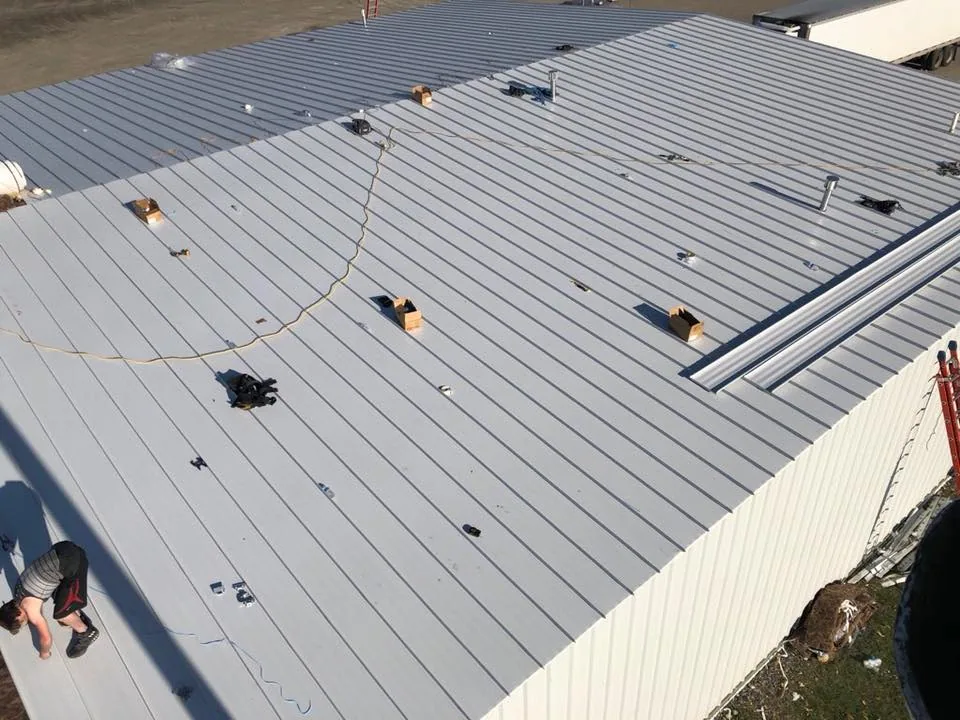
Campus buildings can have different roof systems and repair histories. Inspect each hall, athletic building and residence structure separately, recording its membrane, flashing details and moisture condition. We confirm TPO, PVC, EPDM, bitumen, metal, or coating at the property before preparing a repair. A commercial roof inspection can establish a broader baseline, and an aerial survey may document hard-to-reach areas when conditions allow.
Rock Hill's warm, humid Piedmont climate brings regular rainfall. We connect that weather context to roof drainage and open details, not to an assumption that a particular campus has damage. After a leak or storm report, we compare photos and Diligence Notes with the building's actual roof zones. A leak investigation can trace the water path and identify what remains unresolved.
Coordinate Access Across an Active Campus
Campus work needs agreement on escorts, roof access, vehicle routes, material staging, and pedestrian protection. We coordinate with facilities staff on building hours, deliveries, events, and areas that must stay open. A roof opening above an occupied classroom or lab requires a separate protection plan below. We confirm who can authorize interior entry and how the space will be returned to use after inspection.
Knowledge Park places Winthrop University and downtown Rock Hill within a shared urban area. Access can involve public-facing sidewalks, nearby businesses, or campus routes, depending on the property. We do not assume a single entry point works for every roof. The work sequence identifies which building is active, where the crew can stage, and how each opened area is secured if weather interrupts the shift.
Large campuses can schedule work by building, wing, or roof section. A phased sequence for occupied facilities can reduce overlap with classes, public events, and other trades. The appropriate phase depends on the roof condition and academic schedule, not a blanket promise about timing. If a repair needs a longer opening or interior access, we define that need before materials are removed.
Check Drainage and Transitions
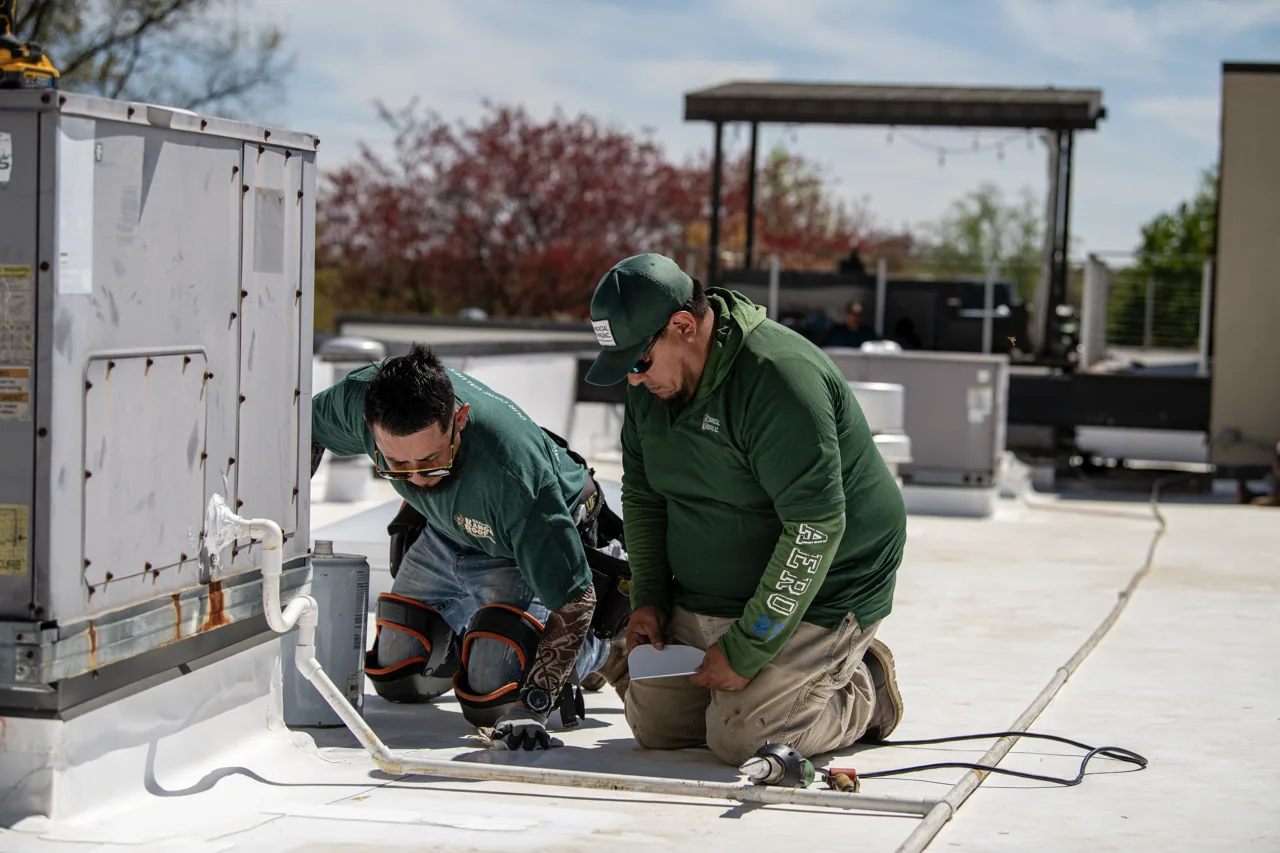
Drainage details can vary between connected roofs. We inspect bowls, scuppers, gutters, overflow points, and the membrane around each outlet. A clogged drain may be cleared within scope, while a separated tie-in, ponding area, or damaged discharge line needs its own repair boundary. We note water marks and low spots by roof zone so campus staff can compare them after later rainfall.
At walls, curbs, skylights, and pipe penetrations, the membrane must continue into a stable flashing detail. We check corners, attachment, termination, and signs of movement from equipment service. An open edge near a busy campus route may require temporary protection before the full repair can be scheduled. If a test opening exposes moisture or a weak deck, we document the area and confirm the expanded work with the owner.
York County has experienced severe convective weather, including hail and tornado activity. A regional event does not determine what happened on a campus roof. We inspect the affected property for punctures, displaced edge metal, broken flashing, or other visible changes, then keep the conclusion tied to the zones reached. The campus can decide whether another building needs inspection based on its own report.
Phase Repairs Around Academic Use
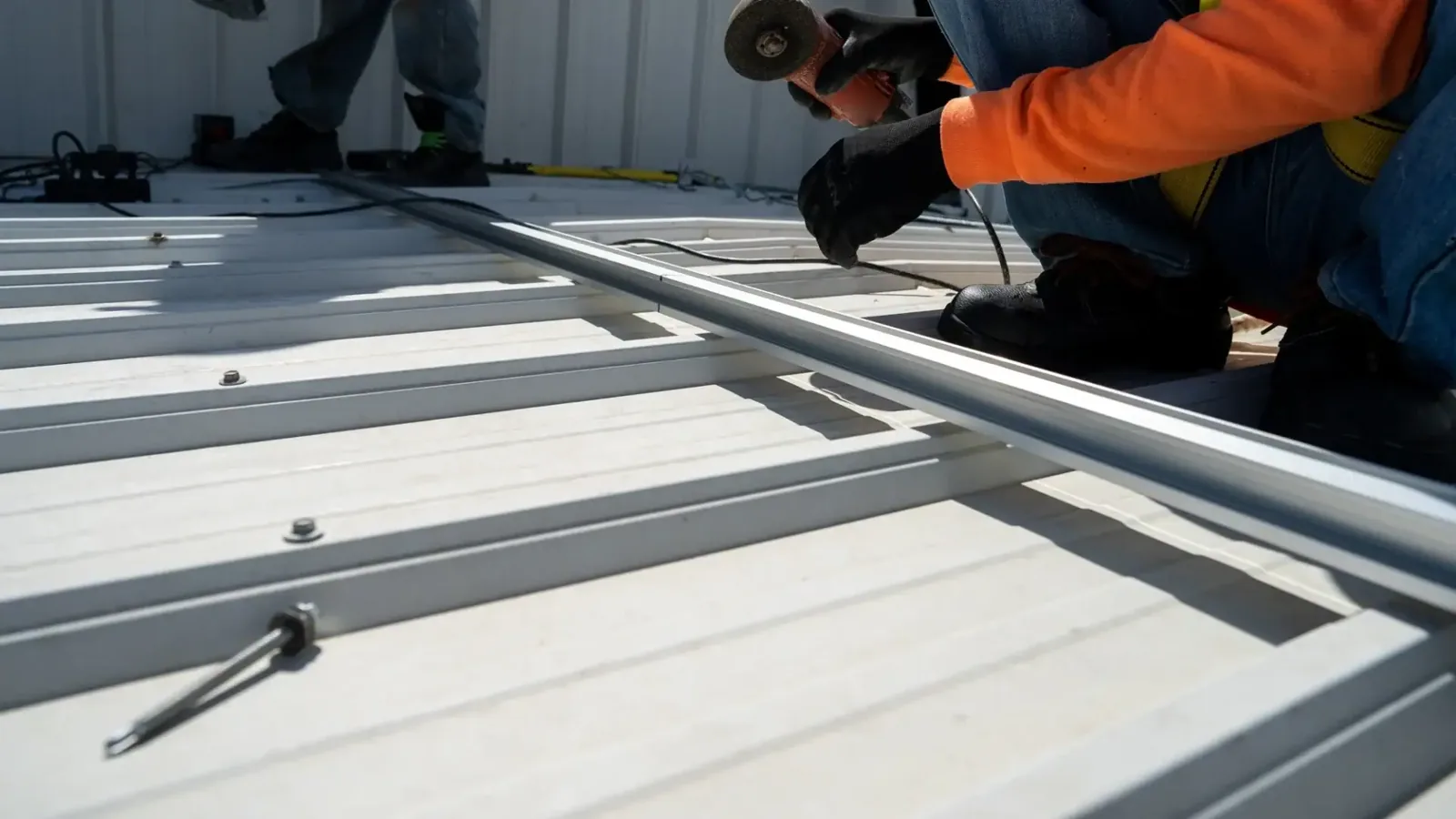
We select materials only after identifying the roof assembly. A welded single-ply patch, adhered membrane repair, bitumen detail, or metal-panel correction each has a different preparation and closure sequence. We remove failed material only within the authorized boundary and restore the transition to sound roof. If hidden conditions appear during removal, we pause, document the finding, and review the added work before moving into another area.
Repair length, number of buildings, access constraints, interior protection, and concealed moisture affect cost and schedule. A small leak above a service corridor may be handled differently from a broad roof failure over a residence or assembly space. We coordinate lifts and staging with the campus contact and list what remains unavailable. A commercial repair scope can group related defects, while replacement planning can compare wider renewal where repeated failures continue.
A school roof may share classroom and dining-area concerns, while a hospital building brings patient-care access needs. Colleges and universities may have multiple building uses on one campus, so the phase plan follows each facility's own restrictions. We describe completed work by roof zone and building, not as a general condition of the entire campus.
Keep Campus Maintenance History Together
Closeout notes identify the building, roof zone, repair materials, photos, testing, and any access limit. Campus facilities staff can use those records to coordinate future work with equipment maintenance or new penetrations. If a section was not reached, that omission remains visible in the report. The same location marks can help a later inspection compare repairs without assuming all roof areas share the same age or condition.
A maintenance visit can return to accessible drains, seams, curbs, and edge details. Share the campus roof map, event schedule, repair history, roof access rules, and changes in building use before a return. We will set the route for the question at hand and identify buildings or zones that need separate access.
Rock Hill's institutional and urban-core building mix continues to evolve. We will tie each recommendation to the conditions seen at the building, explain whether a repair, test, or renewal is supported, and preserve remaining questions for the campus team's next decision.
Questions About College and University Roofing
Yes. We can define separate work zones and access routes for each building or wing. The sequence depends on roof condition, academic use, and available staging. Each phase has its own closure check and record so work on one roof is not treated as work completed across campus.
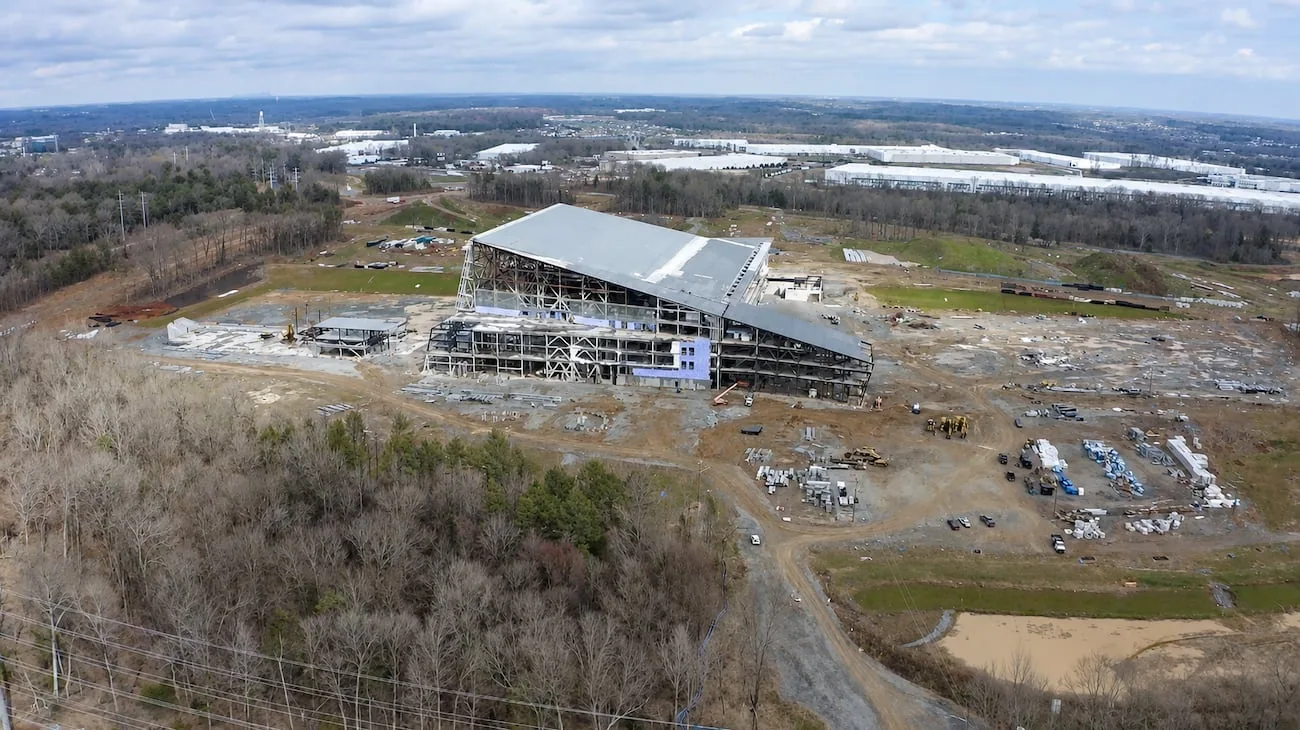
No. Aerial images can document visible surface details or hard-to-reach areas, but they do not confirm concealed layers or every seam. We identify what the survey can show and use hands-on checks or testing where the repair decision depends on more detail.
We identify the building and roof zones involved, compare the interior symptom with available plans, and trace transitions that may carry water. Connected construction can obscure the route, so we mark the tested area and any section that remains unconfirmed.
Provide roof plans, building access rules, event or class restrictions, the affected room, prior repairs, and any equipment work. We will use that information to set a route and protection plan. We still verify the roof system and condition at each building.
Plan College or University Roof Work
Share the building and roof zones, leak or damage report, campus calendar, roof plans, prior repairs, and access restrictions. We will coordinate the route, inspect the relevant assembly, and document a repair or phased renewal boundary.