
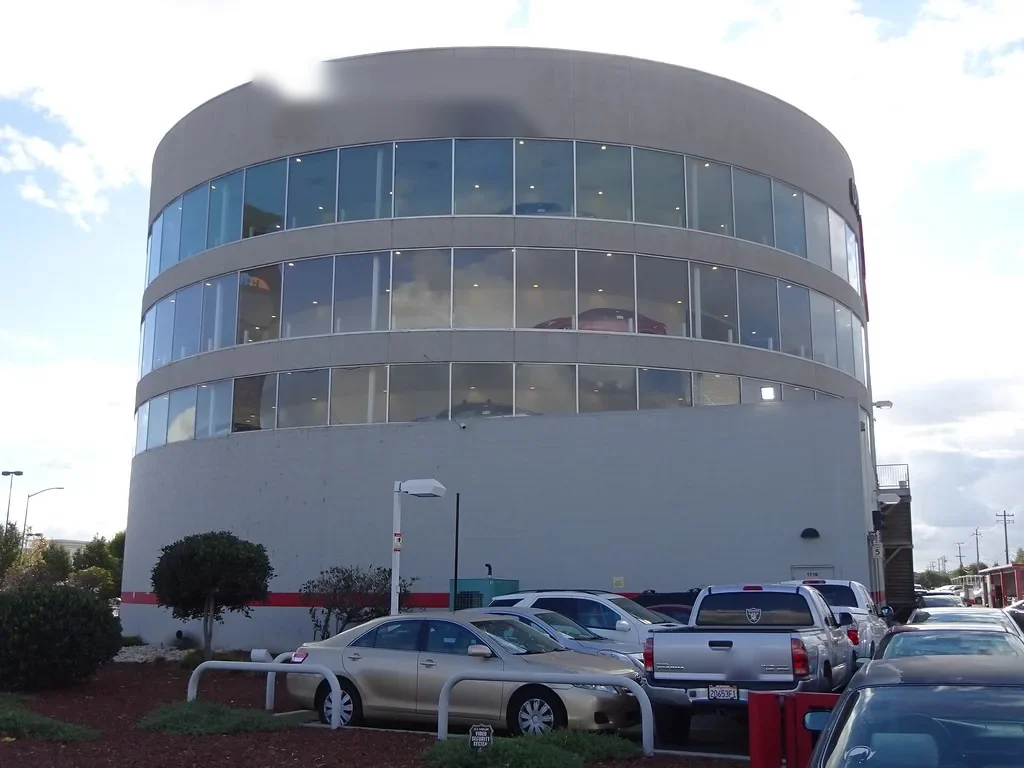
Auto dealership roof repair in Rock Hill, SC, for showrooms, service bays, parts storage, canopies, drainage, and phased building work.
A service-bay leak and a showroom leak can sit under different assemblies on the same dealership property. Auto dealership roofing in Rock Hill, SC, begins by identifying the building section, roof system, and activity below it. We check the reported area, follow transitions and penetrations, and set a repair boundary before material is selected. Dealership properties combine public-facing sales space with service, parts, and vehicle-storage functions under one operating plan. The Riverwalk Business Park and Fort Mill represent separate commercial settings; neither tells us what is installed on a dealership roof.
Divide Showroom, Service, and Parts Areas
Showrooms may have broad spans, clerestories, skylights, glass walls, or decorative canopies that meet the main roof at several transitions. Service areas add exhaust, rooftop equipment, pipes, and frequent trade access. Parts storage and offices create separate interior conditions beneath the same structure. Mark those zones before walking the roof, then compare the interior report with the surface above. A leak near a vehicle lift may follow a curb, seam, or wall rather than enter at the nearest point.
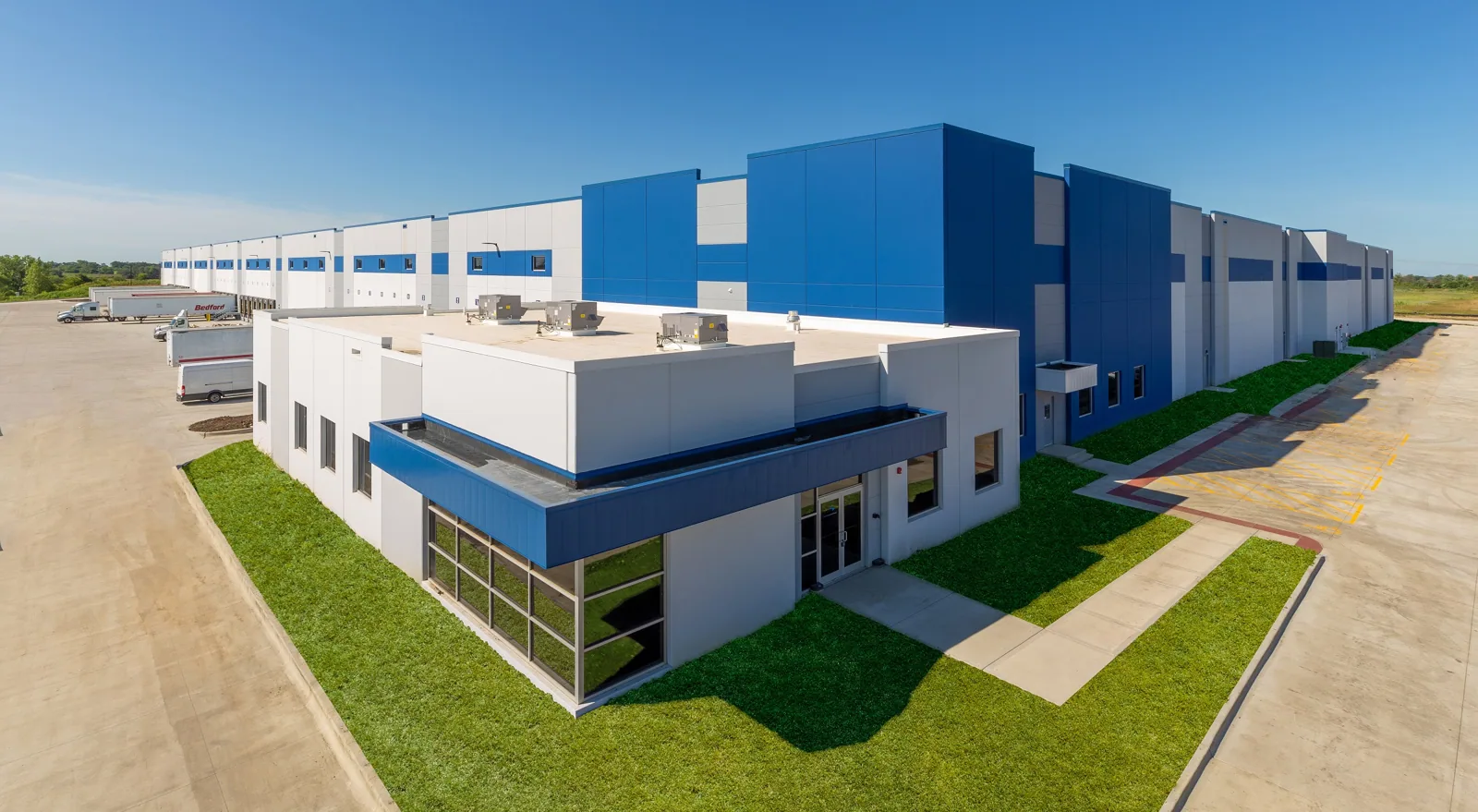
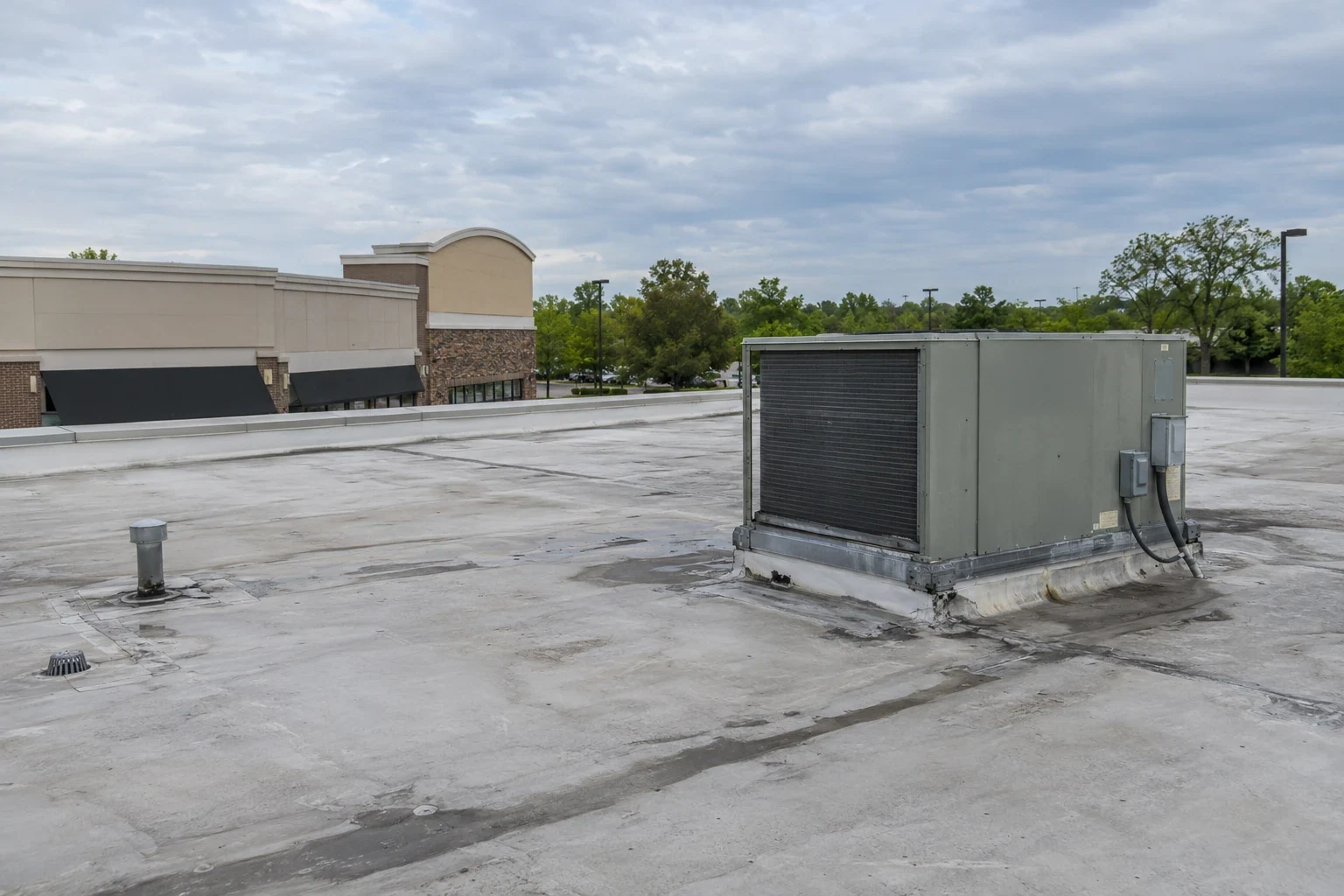
Record membrane or panel type, slope, edges, drains, skylights, and each curb that crosses the affected area. A canopy joint deserves its own detail because movement between separate roof planes can strain flashing. Check prior patches and make photographs that show both the detail and its location. A warehouse roof assessment can address large-span assemblies, while the dealership’s public access, service equipment, and customer flow need a separate work plan.
Find the Entry Before Planning a Patch
Ask where water appeared, when it occurred, which bay or room is below it, and whether it follows heavy rain or equipment operation. Inspect the matching roof section and trace the water path across seams, laps, drains, curbs, skylights, and wall connections. Check adjacent zones for signs of movement or prior repairs. The record should distinguish a confirmed opening from a suspected route and identify whether any area could not be reached safely.
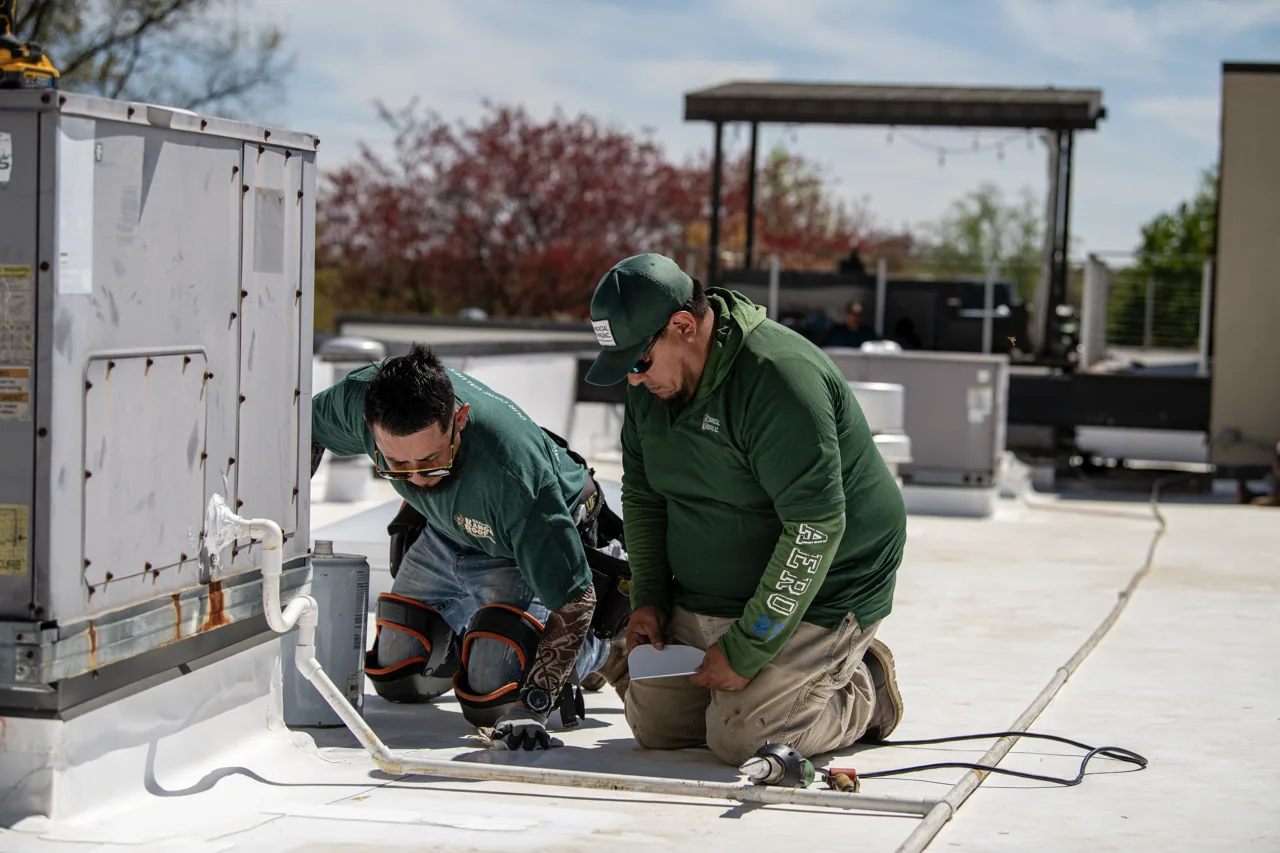
If moisture may extend into insulation, map the suspected boundary before opening the assembly. Test cuts can reveal layers but need authorization, temporary protection, and a compatible closure. If an HVAC contractor recently moved equipment, coordinate the curb and line-set review rather than assuming the membrane was the only changed detail. A commercial roof inspection can leave the owner with photographs, test locations, and follow-up questions. The next decision should match the evidence, not the size or value of the inventory below.
Keep Sales and Service Moving
Choose a staging area that avoids customer parking, vehicle delivery routes, service-bay doors, and parts receiving. Identify whether lifts, ladders, or material carts will cross a public path. Set a temporary barrier where overhead work could affect customers or employees, and confirm which service lane must stay clear. Interior protection may be needed beneath a roof opening, especially where diagnostic equipment or customer vehicles remain in a bay.
For a large repair, divide the work by showroom, service wing, and storage section so each area can return to use after inspection and cleanup. State the daily dry-in detail and who receives the roof-status handoff if weather stops the work. If a canopy or skylight needs replacement, account for the interface with glazing or metal trades. A phased occupied-building reroof can keep the sequence visible. Retail roof planning shares customer-access concerns, but vehicle movement and service equipment set additional dealership constraints.
Check Drainage at Every Roof Transition
Inspect each drain bowl, scupper, gutter, downspout, and discharge point around the affected roof. Showrooms and service additions can have different elevations, so water may collect where a higher roof discharges onto a lower section. Check for debris, a disconnected leader, an open membrane tie-in, or a low area before describing the cause. If an outlet is clear but the roof continues to hold water, record the slope and drainage path for further review.
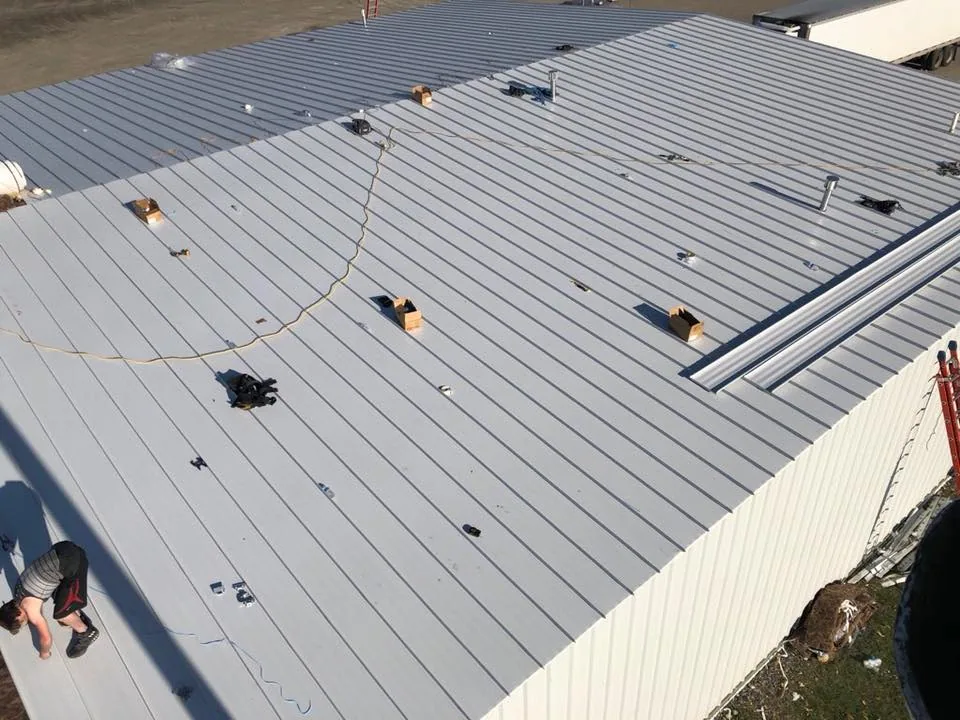
Panel roofs need attention to fasteners, seams, edge metal, and expansion where long runs connect to canopies or walls. Membrane systems require compatible flashing and properly formed repairs at curbs and penetrations. Do not seal a moving joint with a rigid patch that ignores the connection. Drain and scupper work should address the outlet and surrounding roof detail together. A repair scope should identify every affected section and note what remains outside the agreed boundary.
Compare Repair with a Roof Renewal
Replacement planning starts with the condition of the assembly, not a calendar age by itself. Compare the number of repeat leaks, moisture extent, attachment, deck, drainage, skylights, edge height, and repair history by section. A recover may be unsuitable if trapped moisture, weak attachment, or added height cannot be resolved. If the dealership has separate structures, evaluate each independently rather than extending a showroom finding to the service shop. Keep the inspection log usable for the service advisor and property manager. Note which lift, lane, or showroom area was affected, how water was contained, and whether equipment or displays were moved before access. If a temporary patch was used, state its material and the follow-up condition that would trigger a permanent detail. Record who accepted the area at closeout and whether the customer route or service operation changed during the work. Photographs should show the roof detail and its position over the building, not vehicle identification or customer information. At the next visit, compare the same curb, lap, skylight, or drain with the prior record. A repeat symptom should reopen the investigation at the boundary rather than automatically expand the original patch. Before a roof renewal, confirm whether sales and service areas share a deck, drain line, or mechanical system. Separate the quantities for canopy panels, skylight replacements, edge metal, and membrane work so the owner can compare those components without assuming that one material applies everywhere. Mark any rooftop units, signs, exhaust fans, or equipment screens that another trade will disconnect. If the deck condition is unknown, include a procedure for documenting concealed conditions as each area is opened. The finished record should tie the approved scope to a specific building and section.
Dealership roofs need attention to both ordinary water entry and visible impact after severe weather. We check metal, membrane seams, drainage, and flashing by building section, then record any condition that differs from prior photographs. Keep before-and-after photographs, materials, test results, and warranty documents with the building record. A maintenance plan can track recurring trouble spots. Share the roof plan, affected bay, equipment schedule, and decision date to define the next inspection.


Questions About Auto Dealership Roofing
Identify the bay, date, rain conditions, equipment beneath the mark, and any recent HVAC or electrical work. We compare that information with the roof plan and document which opening or water path can be confirmed.
They can be coordinated when access and roof conditions allow, but each section should have its own scope and closeout. Skylights, canopies, equipment curbs, and different roof systems may require separate details.
Check the canopy framing, slope, drainage, panel or membrane connection, and flashing at the main building. Coordinate glazing or metal interfaces before ordering materials so the new detail closes the transition.
Set a work zone, staging route, interior protection, and vehicle movement plan with the dealership contact. The sequence should state when each service area is available again and how the roof is secured at day-end.
Repeated leaks across sections, wet insulation, failing attachment, or drainage problems can justify a broader assessment. The report should map those findings before comparing repair, recover, and replacement.
Inspect a Dealership Roof
Send the affected bay or showroom, roof plan, system information, service schedule, leak history, and customer-access limits. We will inspect the matching zone, document any temporary protection, and define repair or renewal options around the confirmed condition.
