
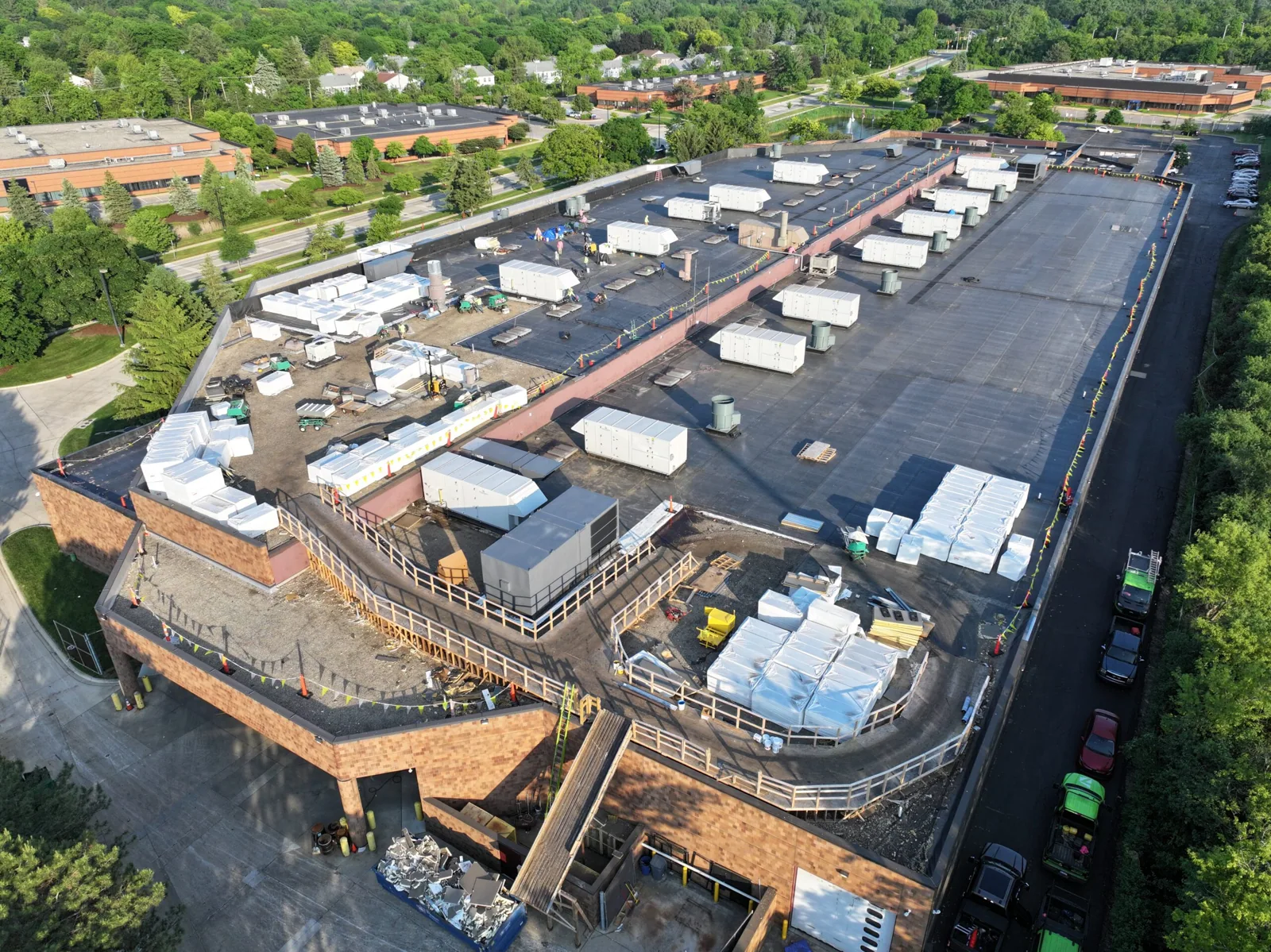
Use documented roof condition, repair history, and project scope to organize commercial roofing budgets, renewal priorities, and owner approvals.
A roof capital plan should connect field evidence with the owner’s budget cycle, not predict a replacement date from age alone. We identify current conditions, separate repairs from broader work, and document what remains unknown before options are compared. Rock Hill's commercial context includes the Dave Lyle Boulevard corridor and Legacy Park, part of the wider I-77 employment area. We coordinate assessments near Dave Lyle Boulevard or Legacy Park while keeping each property’s records specific.
Establish a Condition Baseline for Each Roof
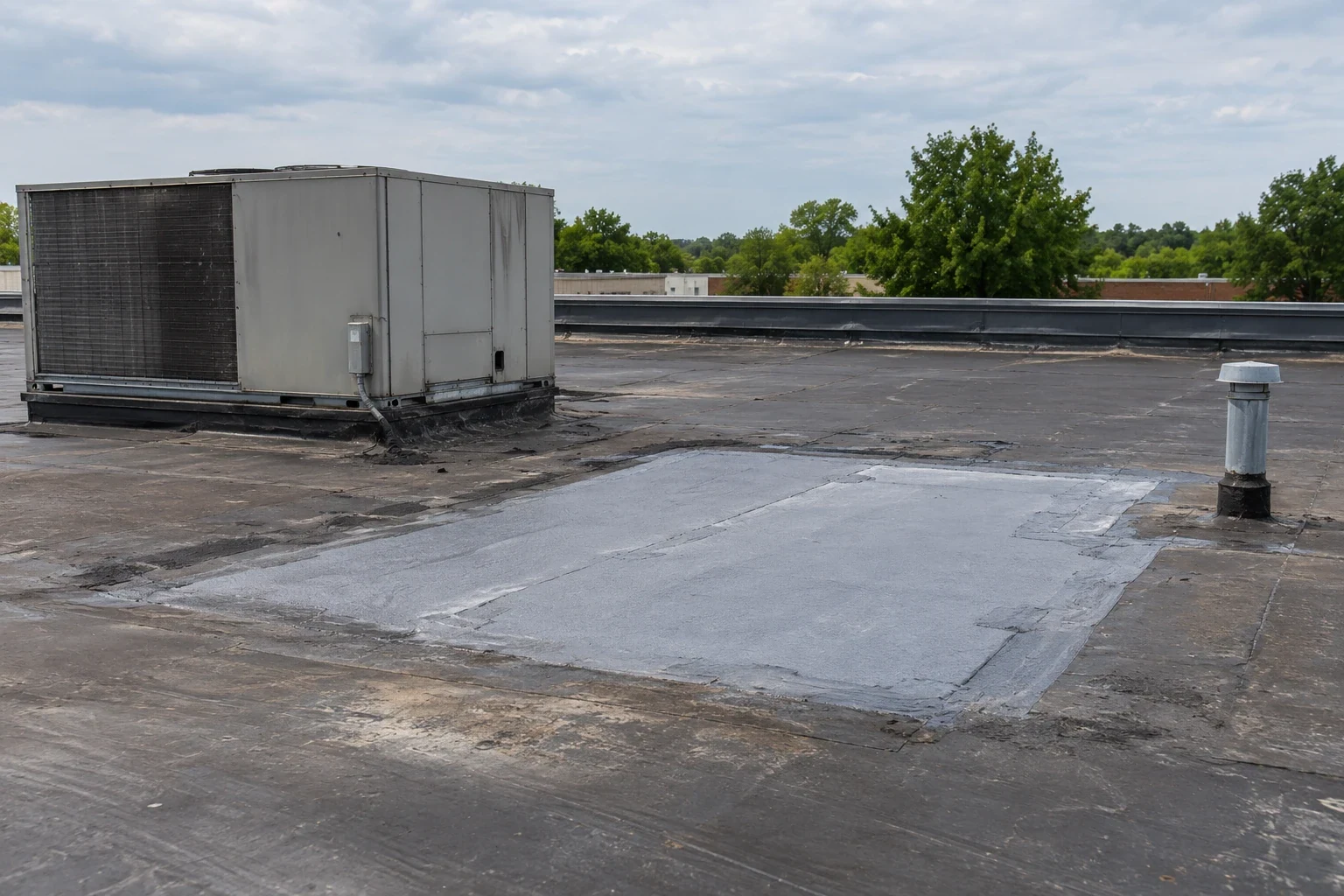
Planning begins with an inventory of roof zones, system type, known installation or repair dates, warranty records, leak history, and access limitations. A commercial roof inspection can document visible seams, drains, curbs, edges, penetrations, and prior patches. The report lists areas reached and tests performed, and separates exposed conditions from layers not seen.
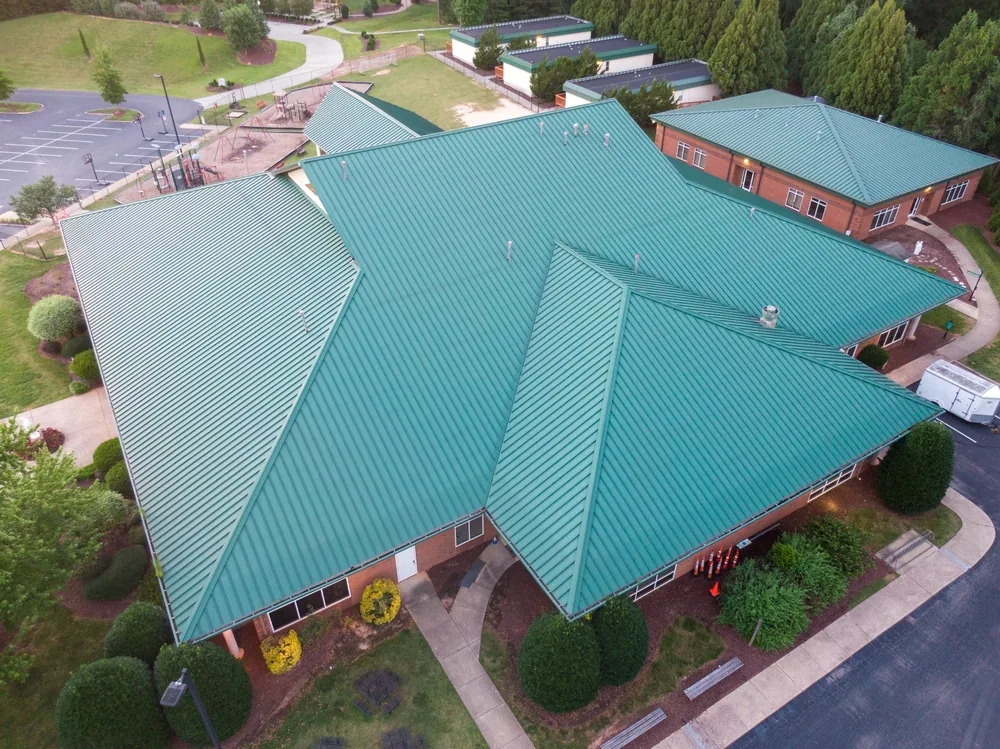
Rock Hill's business and industrial parks serve different uses, including manufacturing, distribution, offices, and mixed-use development. We identify the assembly from each building's records and visible roof details before estimating its remaining service needs. We identify materials building by building and note additions, overlays, or transitions that may need separate evaluation.
When records are incomplete, the plan distinguishes an observed defect from an assumption about age or service life. A test cut, moisture survey, or design review may help answer a specific question. We describe the location and purpose of the additional evaluation and whether its result could change the capital recommendation.
Commercial and industrial development continues along York County's I-77 South corridor. New development is one part of the local market; existing assets can have different repair histories and roof assemblies. A capital baseline should reflect the owner’s buildings and confirmed field conditions.
Separate Near-Term Work From Long-Range Options
A roof plan can sort findings into active leak response, safety or access issue, preventive task, repair, testing, and renewal comparison. We explain the evidence behind each action and identify items that can wait for further review. The owner can then align work with occupancy, lease obligations, budget approval, or related construction.
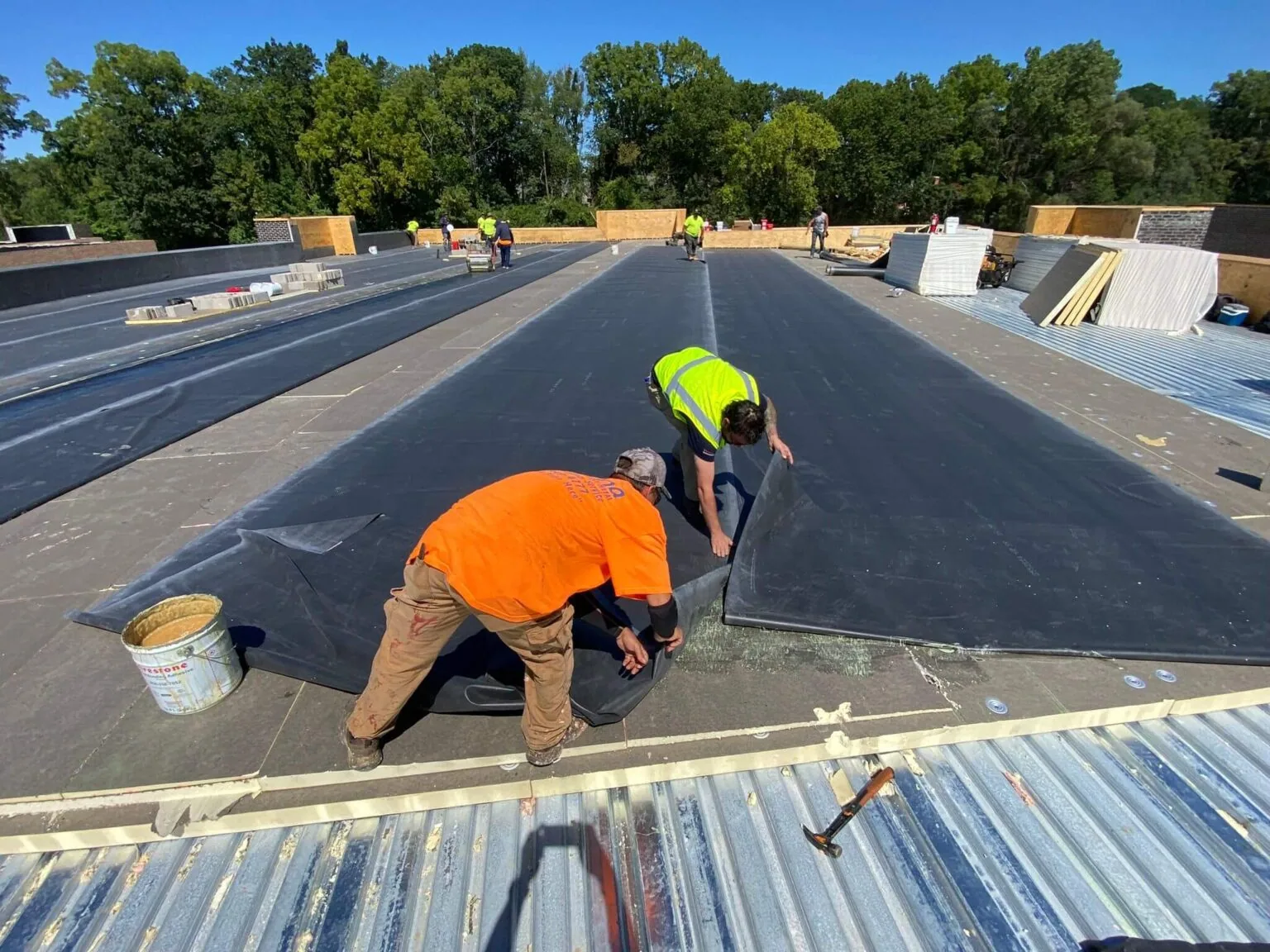
A commercial repair may address a localized defect. Repeated seam problems, widespread moisture, or deteriorated attachment could support a broader evaluation. A replacement project should define roof zones, layers, insulation, drainage, edge details, staging, and closure limits. Neither option is chosen solely from a calendar age.
Cost and duration depend on system, roof area, detail count, material, access, disposal, protection, and conditions found after removal. If wet insulation or damaged deck appears, the contractor secures the area and seeks approval before extending scope. The capital plan notes that uncertainty so a budget reserve is not confused with a fixed price.
Rock Hill's warm, humid Piedmont climate includes a long warm season and regular rainfall. That long warm season and recurring rainfall make drainage checks and a weather-ready work plan practical parts of each roof's maintenance calendar. Field observations and ongoing maintenance records should inform any schedule.
Compare Repair, Recovery, and Replacement Scenarios
Each alternative needs a defined work boundary and stated assumptions. A repair may focus on isolated membrane or flashing failure. A recovery option depends on existing layers, moisture, attachment, load, drainage, and applicable design review. A replacement plan addresses the work needed to remove or replace the existing assembly and restore penetrations and edges.
We can identify what must be tested before a scenario can be priced reliably. If an overlay conceals the original surface, a test may be required to confirm material compatibility. If deck deflection or slope change is suspected, structural or design input may be necessary. The report states where those professional decisions are needed without presenting roofing observation as an engineering conclusion.
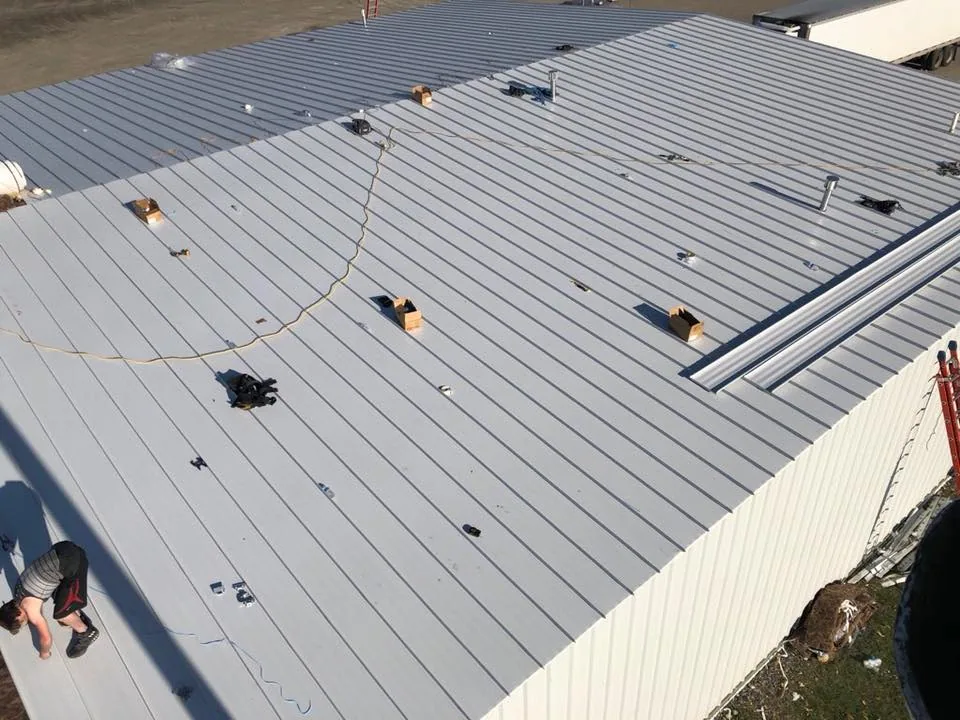
A roof-recover evaluation can compare a compatible overlay with other options. A coating-restoration scope can address an existing roof when preparation and system compatibility support that approach. Each alternative lists repair prerequisites and exclusions so the owner can compare scope rather than labels.
For a portfolio, a roof asset record can maintain baseline data, while a multi-site plan can organize inspections and funding across buildings. The priority and project timing still depend on asset-specific evidence and the owner's decision process.
Align the Work Plan With Facility Budgets
Capital requests often need a short description of the issue, consequence if deferred, proposed work, estimated planning range, and next approval. We can provide that roof information with photos and a marked zone plan. The owner sets the budget, contingency, funding source, and procurement route.
Projects can be sequenced to combine access or reduce disruption, but a bundled schedule should not hide different roof conditions. A building with a defined leak repair may need near-term work, while a separate facility may first need more testing. We keep scopes and assumptions distinct when preparing a portfolio view.
When funding is released by fiscal year or project phase, the capital summary can separate immediate stabilization from planned renewal. We identify dependencies such as sampling, engineering, tenant coordination, and material lead time, which may affect when an owner can commit to construction.
Public and private owners may have different approval steps. South Carolina building requirements and permits should be confirmed by the project's authority and design team. The roofing plan documents observed conditions and options; it does not replace code review, engineering, or procurement approval.
When roof work overlaps with HVAC, solar, façade, or interior renovation, include trade coordination and temporary weather protection in the budget. The project team should identify who moves equipment, restores flashings, and approves field changes before work begins.
Update the Plan as Conditions Change
After a repair or maintenance visit, update the roof-zone record with photos, material, date, and open follow-up. If no repair was made, preserve the inspection limitation and the reason the item remains pending. That history can help the owner decide whether the same area has changed before including it in a new project.
A maintenance visit can track drains, seams, edges, and earlier repairs. Frequency should follow the observed roof, access, and owner objectives. It cannot prevent every future issue; it maintains a record of conditions checked and actions completed.
Share budget milestones, roof plans, repair logs, warranty terms, and facility restrictions before the planning assessment. We will organize current evidence and identify questions that should be resolved before a capital decision. If a schedule depends on test results or design, that dependency will be visible.
Legacy Park and Dave Lyle Boulevard represent distinct Rock Hill commercial contexts. The capital plan is useful when it preserves those building-level distinctions and ties the next spend to documented roof conditions rather than a market-wide assumption.
Questions About Commercial Roof Capital Planning
We can describe observed condition and options, but a visual inspection alone cannot set a precise replacement year for all roof layers. Records, testing, access, and ongoing maintenance affect the planning judgment.
A clear asset baseline, photos, scoped alternatives, access limits, and unresolved questions help connect roofing work with budgets and approvals. Each building should keep its own condition record.
A coating is an option only when the existing assembly, preparation, moisture condition, and product compatibility support it. It does not replace drainage or substrate repairs that remain unaddressed.
Update it after inspections, repairs, testing, equipment changes, or a material event that changes the observed condition. The useful cadence depends on the owner's budget process and asset history.
Build a Commercial Roof Capital Plan
Share the building inventory, roof plans, repair records, budget cycle, warranties, and access constraints. We will document current conditions and organize repair or renewal options with clear assumptions.
