
Commercial roof inspection and repair serving Richburg, with scopes tied to the roof condition, the property's use, and access requirements.
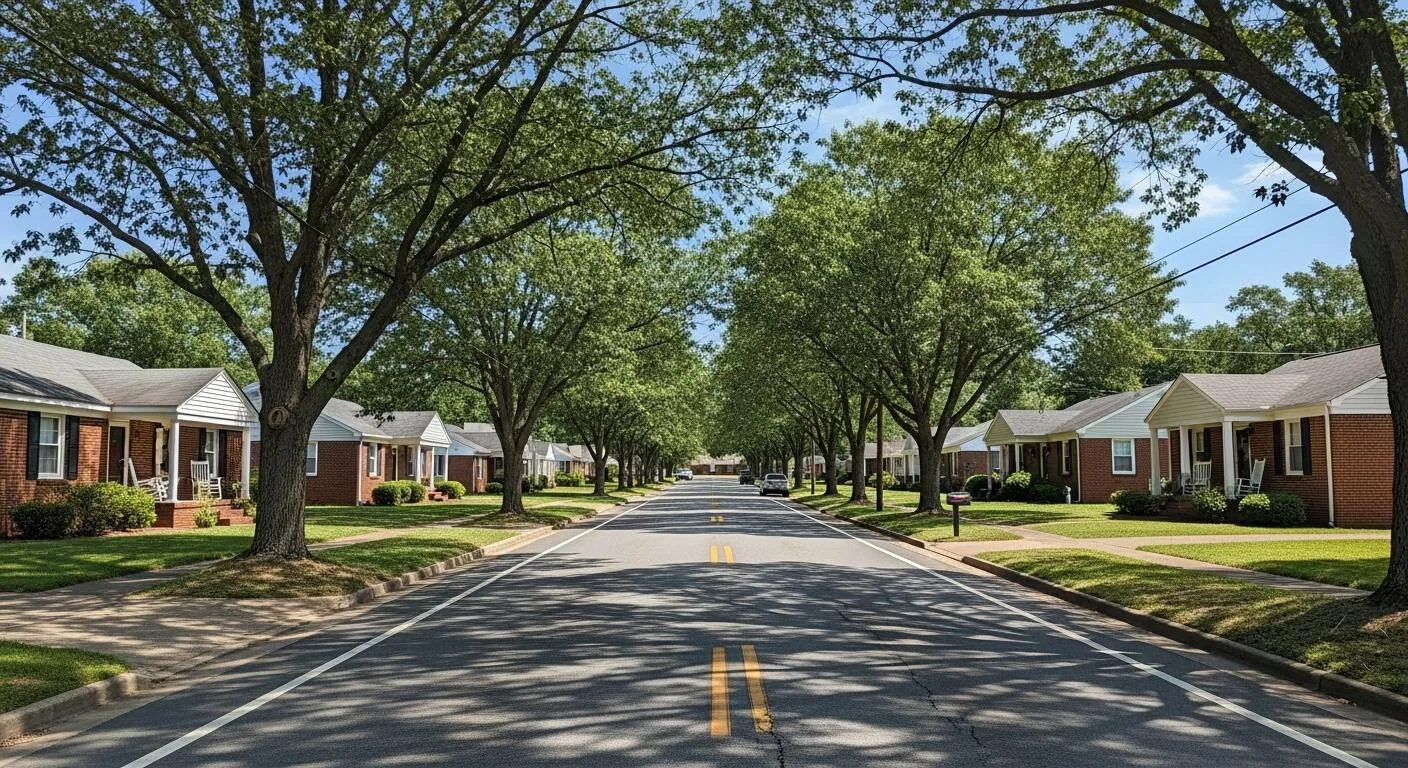
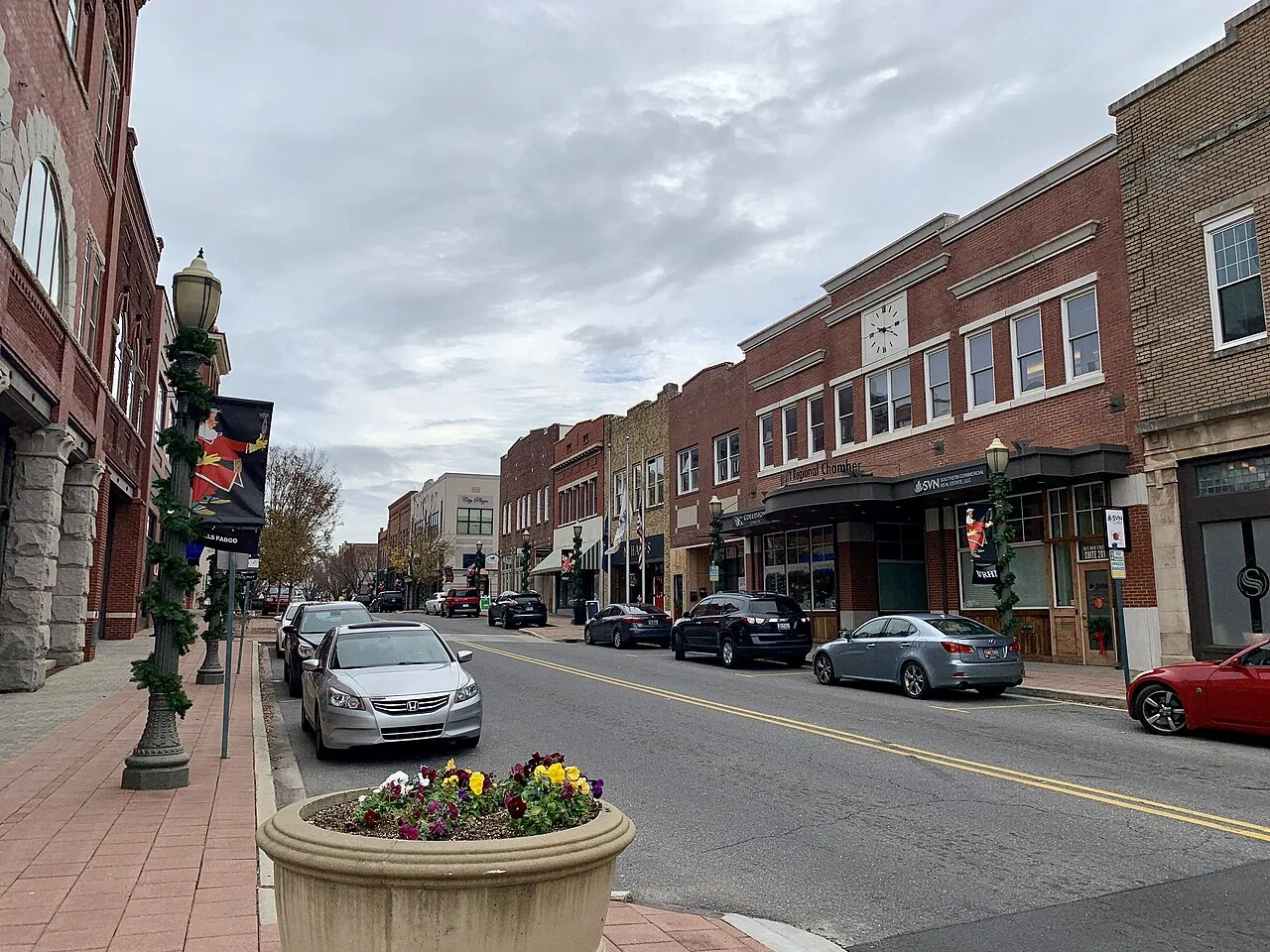
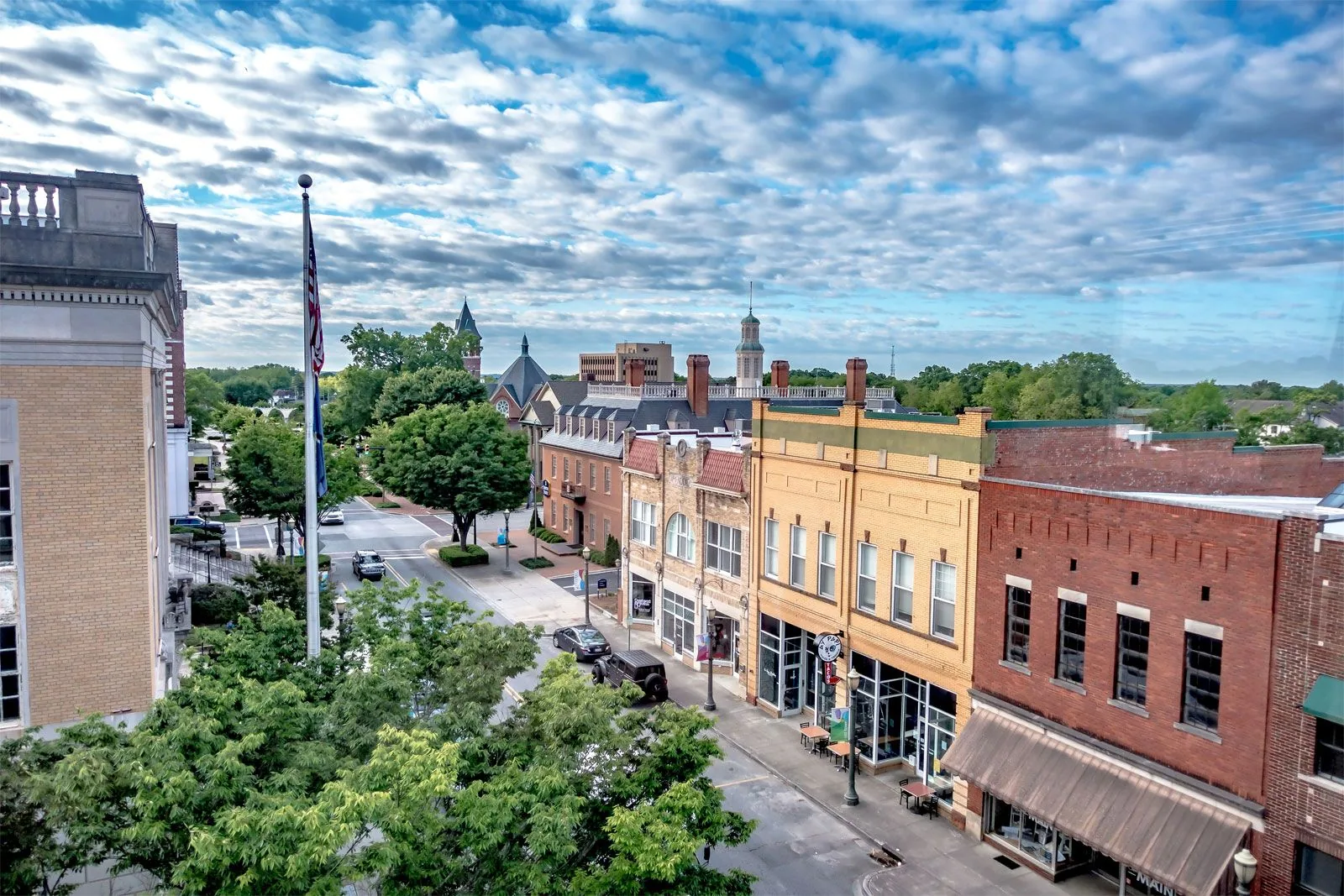
Richburg sits on the US 21 and I-77 regional approach south of Rock Hill. I-77 South includes warehouse, distribution, manufacturing, and highway-oriented commercial uses. We inspect the actual property before selecting roofing work. Our regional coverage also includes Chester and downtown Rock Hill.
Identify the Roof System and Its Limits
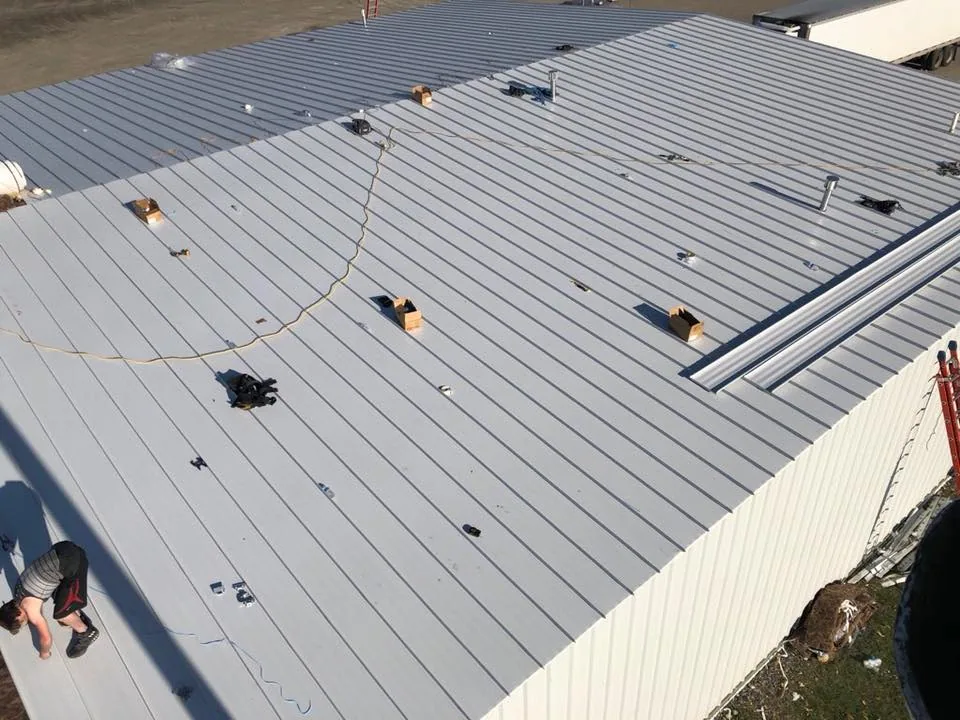
We start with the roof plan, access point, and area where a leak or damage was reported. The walk checks visible membrane or metal, seams, drains, flashing, curbs, edges, and previous repairs. A commercial roof inspection documents the zones reached and any place where a test, lift, or additional access is needed. If an assembly changes at an addition, we mark the transition separately.
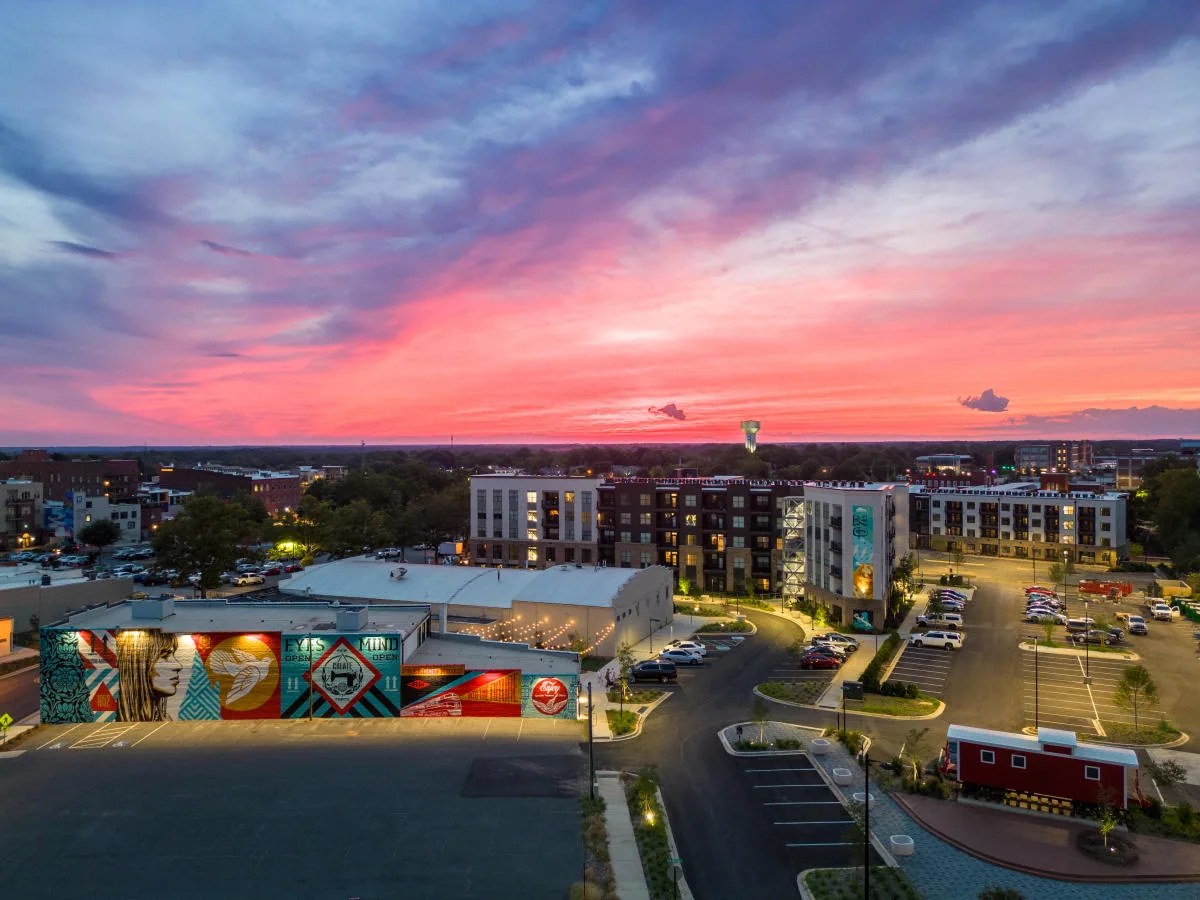
Regional planning identifies Richburg as a Chester County community on the US 21 and I-77 approach, while corridor plans describe industrial and highway-oriented commercial uses along I-77 South. Warehouses, distribution, manufacturing, and highway-oriented businesses form part of the I-77 South growth mix. We inspect each Richburg roof and confirm its footprint, assembly, and access before planning work. We verify use with the owner and use field observations and records to identify the assembly.
A water report should identify the interior area, time, and any recent equipment or construction work. We compare those details with drains, seams, penetrations, and roof-to-wall connections. A leak trace compares the reported interior sign with roof details and notes whether the entry has been located. If a water path remains uncertain, the report names what access or test would narrow it before a broader repair is considered.
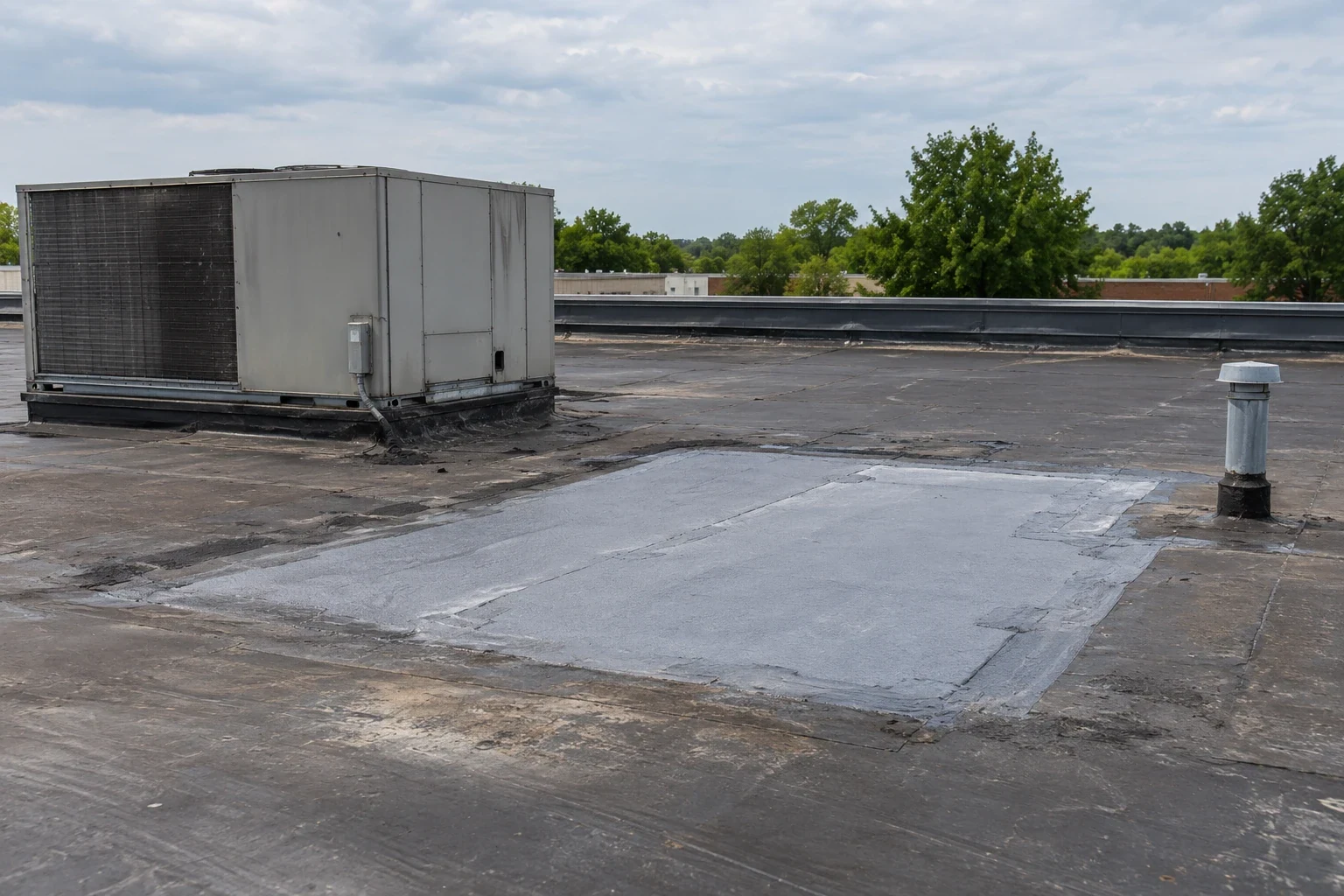
Past coatings, patches, or recover layers can hide the original surface and change what will bond. We check edges where the assembly is visible and compare them with owner records. If sampling is needed, we identify what the test can establish at that point and how the opening will be closed. The result applies only to the tested area.
Trace Drainage Through the Roof Detail
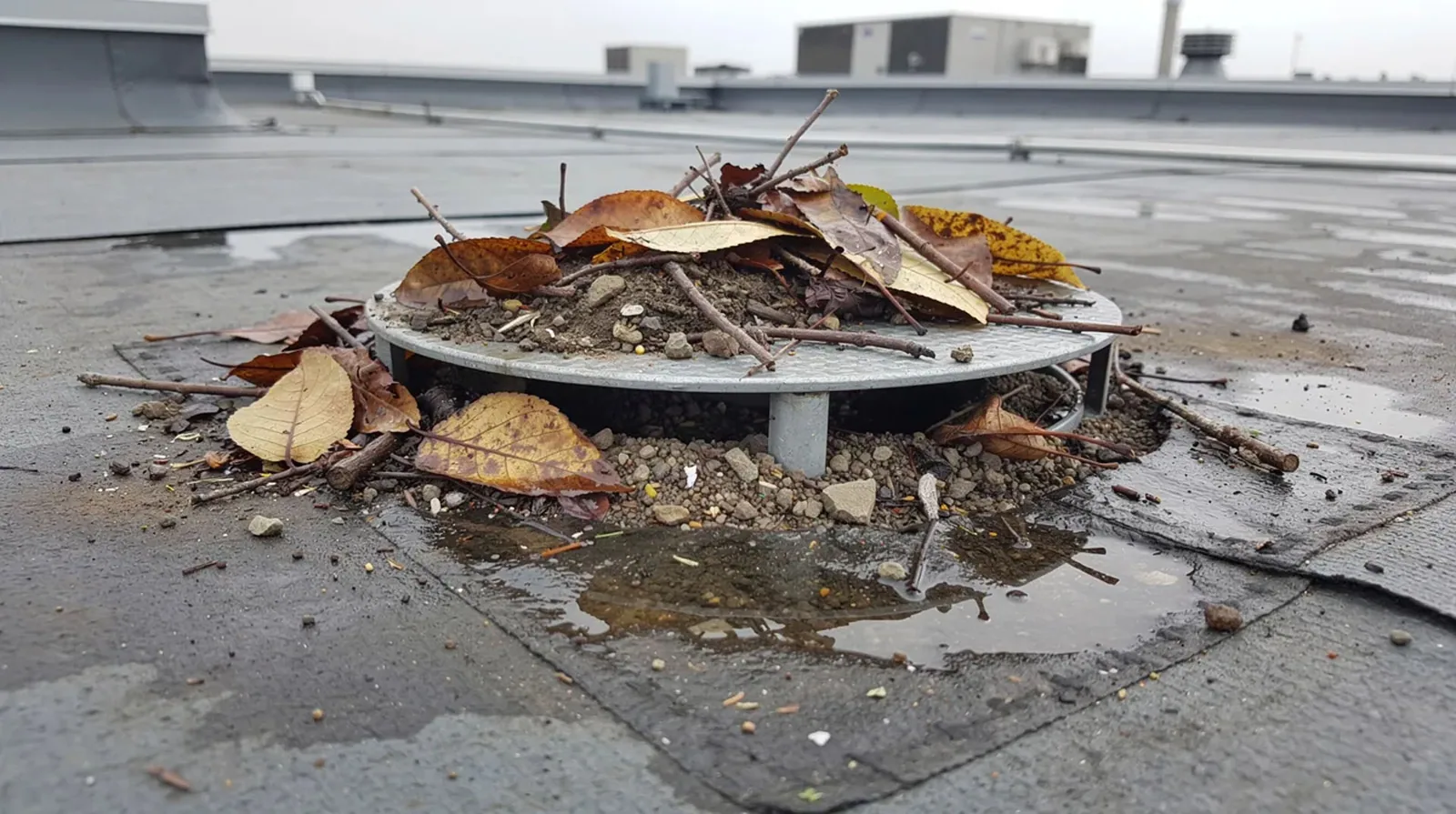
At a drain or scupper, we inspect the opening, strainer, membrane connection, and visible path to discharge. Debris, a failed tie-in, and a low section are different conditions. A drain and scupper repair can restore a confirmed roofing connection. When the outlet continues into concealed piping, we state where the roof inspection stops and whether another trade should inspect further.
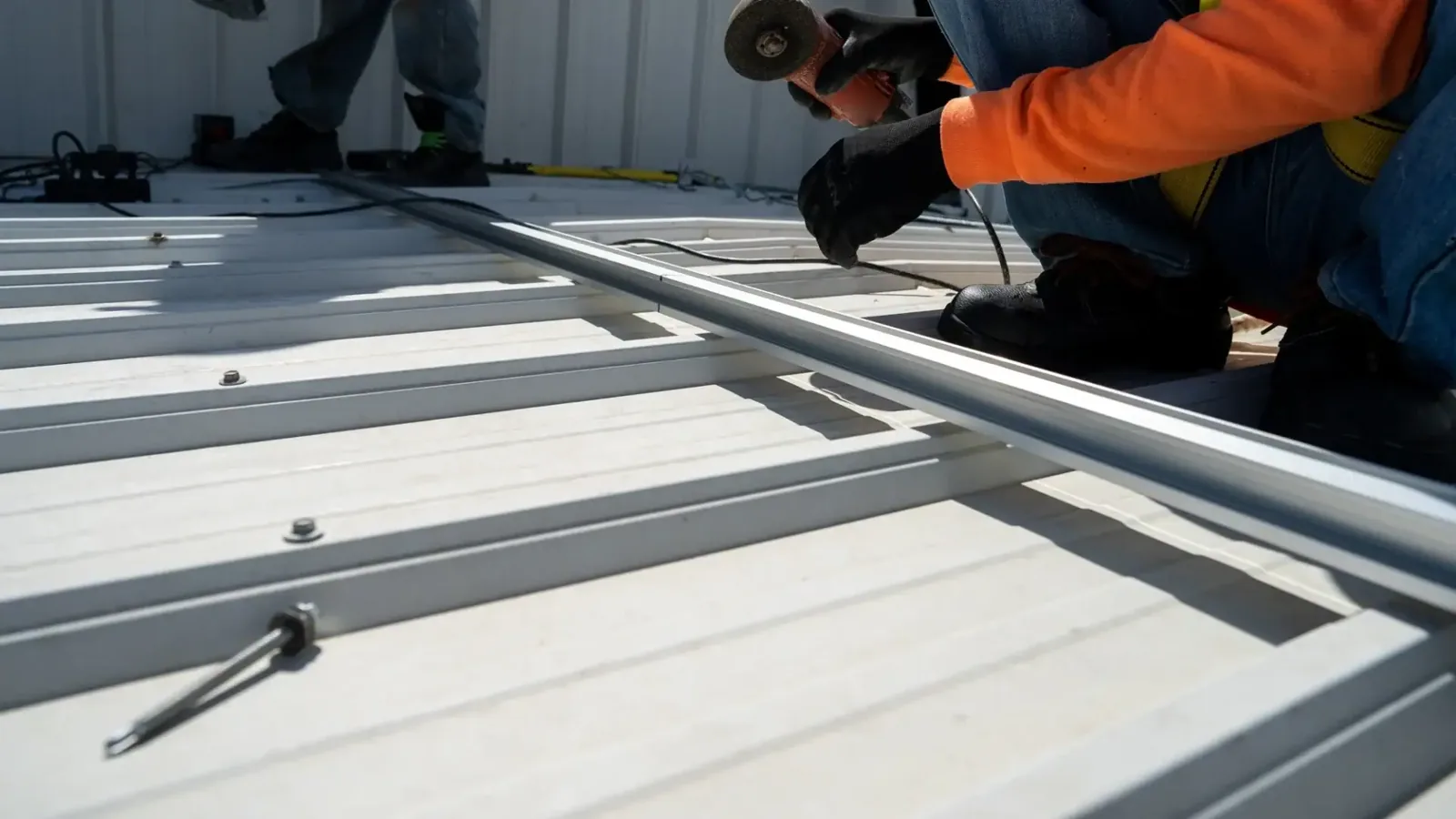
At an edge or parapet, coping, attachment, flashing laps, sealant, and membrane termination need a close look. Water may travel beneath the roof surface before showing inside, so a wall stain is not enough to identify the opening. We compare the geometry with the reported room and document both observed damage and any unconfirmed path.
Rock Hill's warm, humid Carolina Piedmont climate includes recurring rainfall through a long warm season. This regional context informs drainage checks and the way an opening is protected, but it does not diagnose a Richburg roof. We inspect the property's slope, outlets, and visible material before deciding whether a repair, cleaning, or additional evaluation fits.
If the damaged area includes a rooftop unit or service line, we identify the flashing and membrane connection that falls within the roofing scope. Another contractor may need to move or service the equipment. We agree on temporary cover and final restoration responsibility before work proceeds so the roof is not closed over an unresolved base.
Coordinate Deliveries and Building Access
Before mobilization, we confirm the property contact, roof entry, staging space, lift placement, delivery route, overhead clearance, and any access path that must remain open. US 21 and I-77 situate Richburg within the regional network, but the last approach and site rules belong to the individual property. The work plan lists those conditions before materials arrive.
If a building is occupied, the owner identifies the rooms or operations below the work zone and any protection needed. We define barriers, access, and a daily closure plan before removing material. A phased sequence can limit the open roof area, although weather, cure conditions, and concealed findings may change the order. The scope names who can approve an added area.
When removal reveals wet insulation or a weakened deck, we secure and document the opening, then review the added boundary with the authorized contact. Structural assessment, equipment work, and interior repair stay separate unless they are included in writing. This gives the property team a clear decision before a localized repair changes into a larger project.
Where roof work intersects with another trade, we identify the connection and when it can be inspected before concealment. A penetration or edge should be restored by the responsible contractor after any equipment or wall work is complete. The closeout record states what the roofing crew completed and which handoff remains outstanding.
Compare a Local Fix With Broader Work
A patch can be appropriate for one confirmed opening when the adjacent surface is sound and compatible. Multiple leak routes, repeated seam problems, broad moisture, or weak edge attachment may call for further testing or a renewal comparison. A commercial repair scope defines the roof area, preparation, material, access, protection, and closeout, and lists any section left outside the inspection.
Cost and timing depend on the system, repair size, detail count, access, staging, disposal, safety setup, and concealed conditions. Recover or replacement planning also needs information about existing layers, attachment, drainage, insulation, and penetrations. If a sample or moisture survey could change the choice, we explain its purpose before expanding the estimate.
I-77 South is a regional growth corridor for distribution, manufacturing, and commercial development. Those categories are useful context for a property owner planning access or future work, but they do not establish a particular building's roof condition. We keep the recommendation tied to the inspected area and distinguish confirmed repairs from options that need more information.
If one section needs immediate attention and another can wait, the estimate can separate those scopes. The owner can authorize the active repair, consider testing, and decide later whether a broader project is warranted. Each line states the evidence, work boundary, and any assumption still requiring confirmation.
Carry Findings Into Maintenance
Closeout records which roof areas were reached, the material found, visible conditions, work completed, photos, and any access or testing limit. If roof plans have zone names, the report can use them. A later service visit can compare new symptoms against the same drain or transition instead of relying on a general note.
A maintenance visit can revisit seams, outlets, penetrations, edges, and prior repairs based on the observed system. Share drawings, service records, leak history, equipment changes, and access details before setting the route. Any section that could not be inspected stays marked as not inspected.
Richburg and Chester lie on the regional approach south of Rock Hill, but each site retains its own roof record. We keep findings tied to the building inspected and identify what work or testing is still pending. That makes it easier for a later manager to distinguish completed work from an open recommendation.
For a roof estimate, provide the property use, reported symptom, roof drawing, and access limits. We will identify what the first visit can establish and whether another survey or trade input is needed. The resulting scope ties the work sequence to the roof condition and the owner-approved boundary.
Questions About Richburg
No. We base the roof recommendation on the building's inspected assembly, drainage, and access conditions. We inspect the assembly and document whether the evidence supports repair, testing, or renewal.
Yes. We coordinate roof access, delivery and operating limits, and protection with the property contact, then scope the facility's actual roof system.
We record the details checked and identify whether another access point, moisture survey, or sample could resolve the remaining question.
The opening is protected and documented. The authorized contact reviews any added work boundary before the roofing scope expands.
Coordinate Commercial Roofing in Richburg
Share the property use, roof plan, reported condition, work history, and access requirements. We will inspect the defined area and prepare the next step supported by the findings.
