
Organize commercial roof warranty records, inspection requirements, repair history, and service coordination across Rock Hill properties.
A roof warranty file is useful when it connects the installed system, written terms, maintenance history, and work performed. We help owners organize those records and document current conditions without assuming what a warranty covers. Rock Hill's commercial portfolio includes Riverwalk Business Park and mixed-use redevelopment around downtown. We coordinate record reviews near Riverwalk Business Park or downtown Rock Hill by property and roof zone.
Collect the Documents That Define the Warranty
The actual warranty, registration, system description, installation documents, approved details, maintenance requirements, and prior claim correspondence control the record. We do not substitute a generic term for the manufacturer's written conditions. If documents are missing, we list what the owner has and what remains to be obtained.
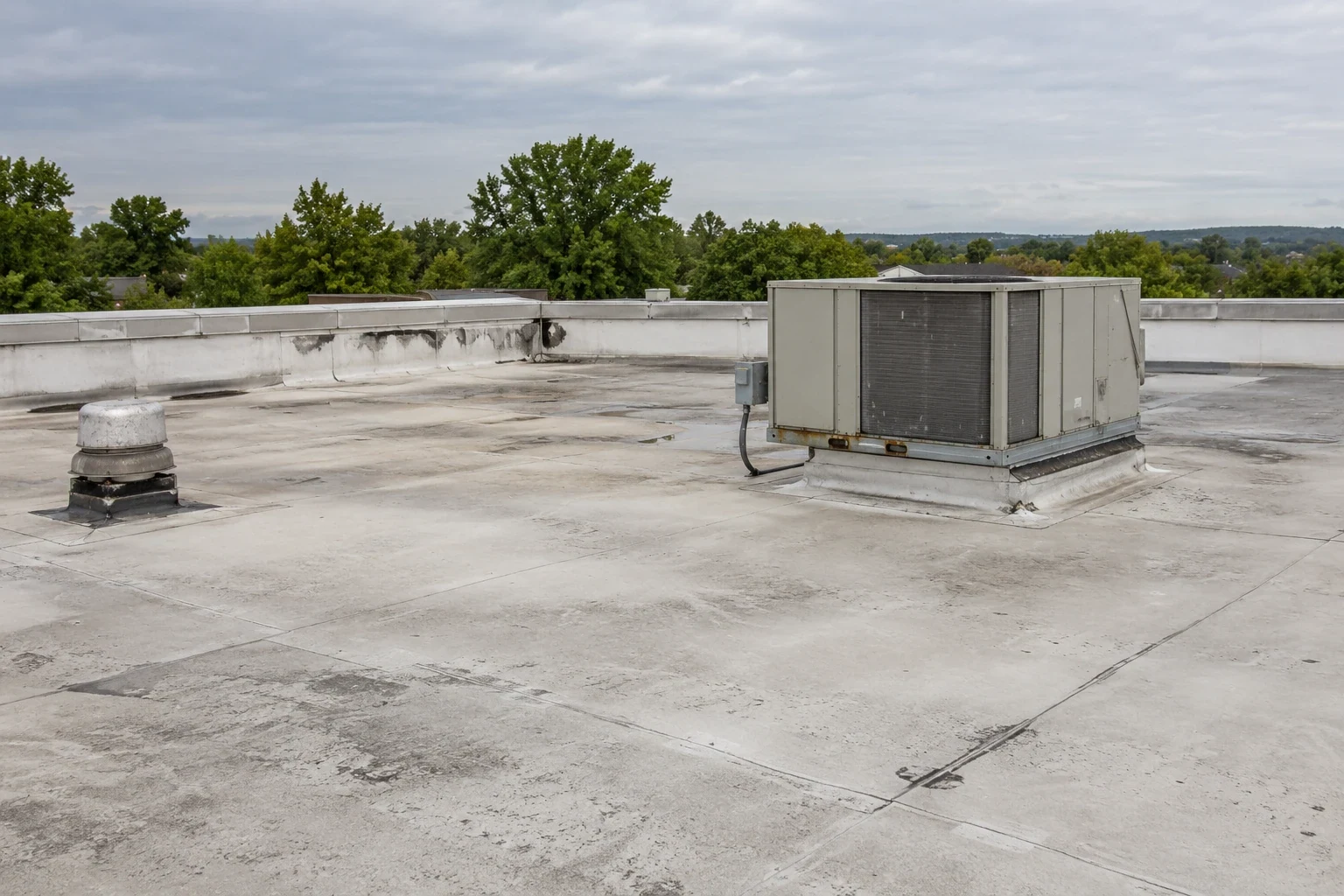
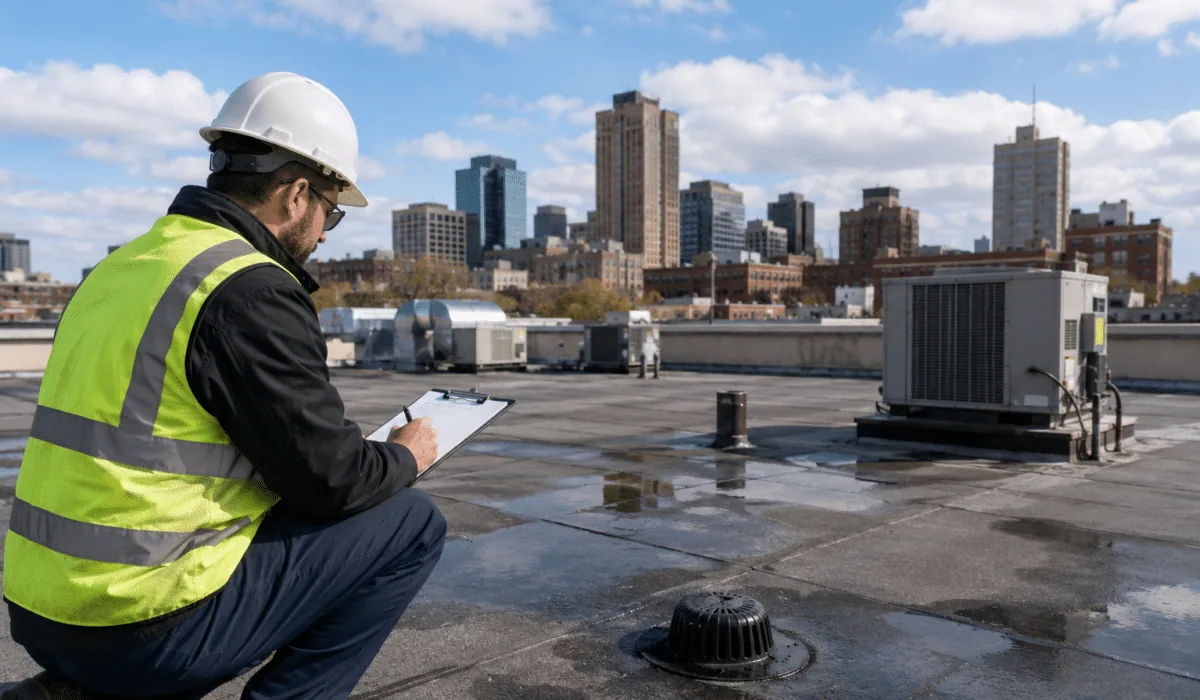
A commercial roof inspection can document visible roof conditions and identify areas needing follow-up. The inspection does not independently establish warranty eligibility or a manufacturer's decision. We note system materials, transitions, visible repairs, access limitations, and whether additional testing would change the recommendation.
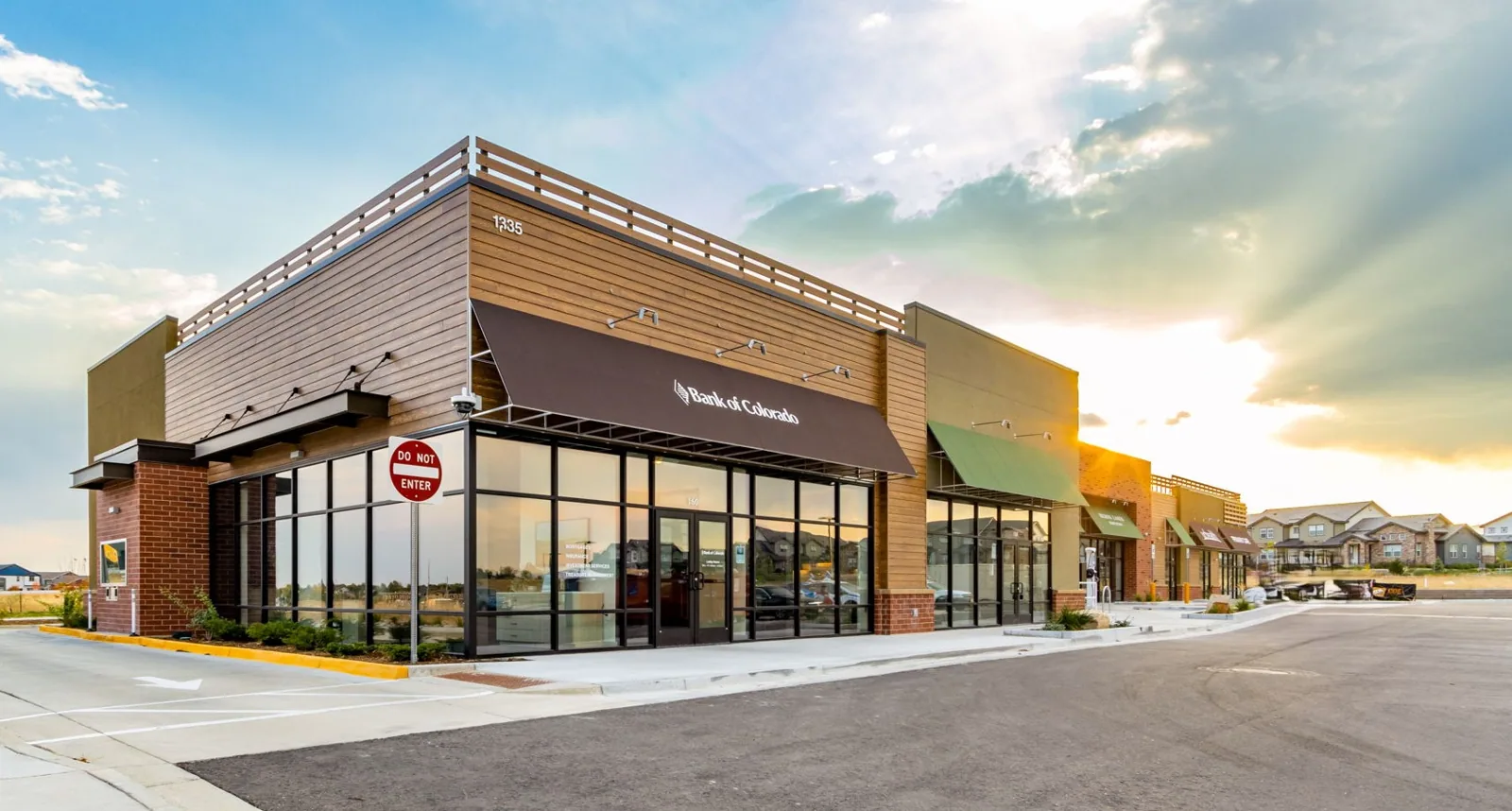
Rock Hill's business parks serve manufacturing, distribution, and office uses, while downtown redevelopment adds mixed-use properties. That variety may mean different roof systems and warranty files within one owner's local portfolio. The record should connect each document to the correct building, roof area, product, and installation scope instead of assuming one warranty covers every addition.
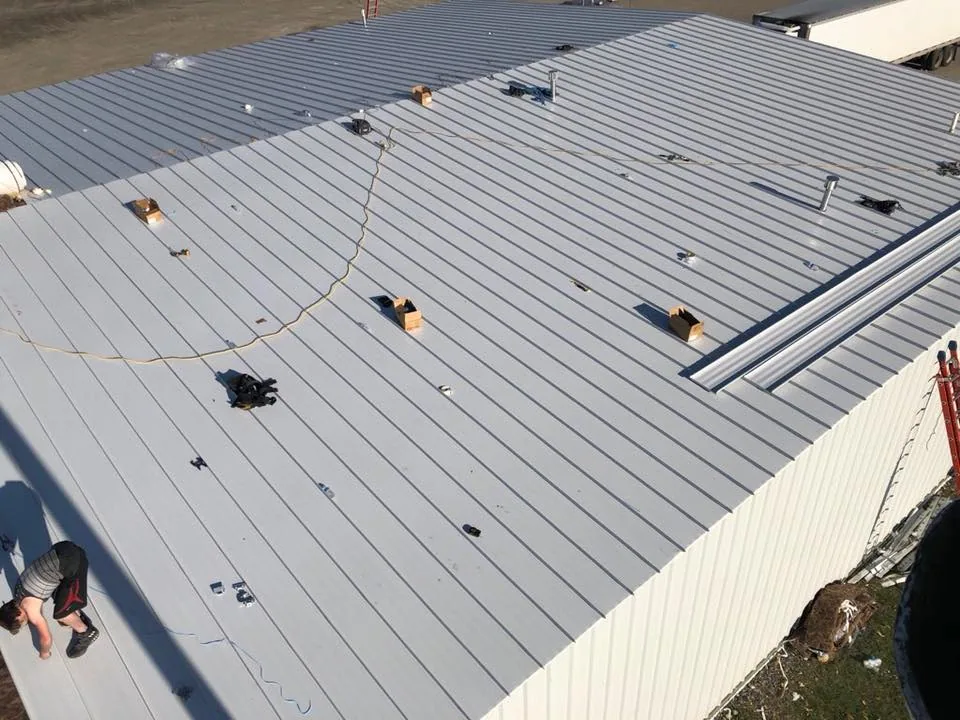
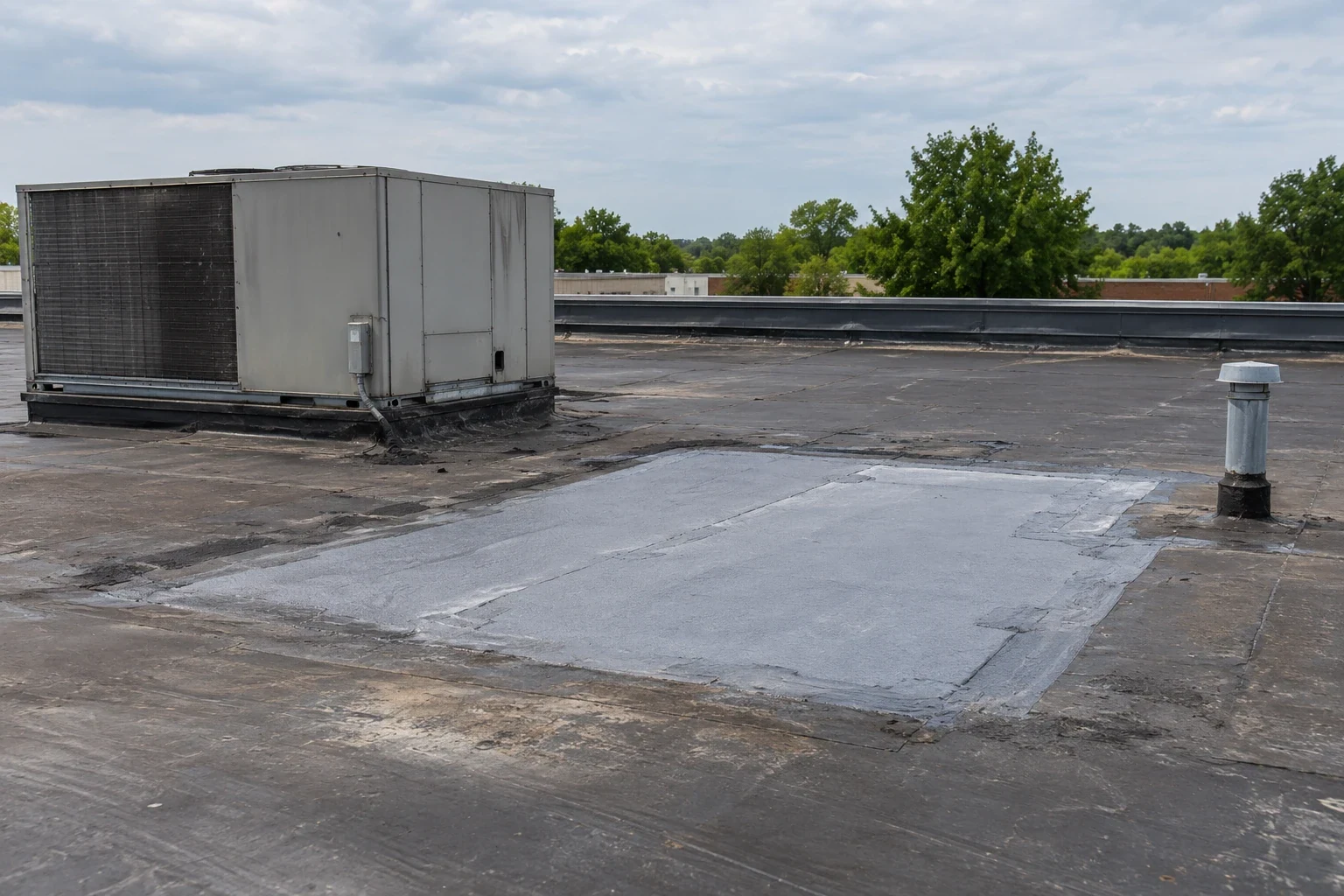
If a roof has been recovered, coated, or repaired, we preserve dates and scope details. The owner can then compare the work with the warranty's requirements and contact the responsible manufacturer or installer when interpretation is needed. We avoid stating that a change is covered or excluded unless the actual terms and authorized determination support it.
Track Required Inspections and Maintenance
Warranty terms may call for specific maintenance, inspection, or notice steps. We review the owner's document to identify listed tasks and recommend confirming interpretation with the issuing manufacturer or installer. A maintenance visit can document accessible drains, seams, curbs, edges, and prior repairs in a dated record. The route and frequency should follow the actual terms and the roof condition.
Routine notes should distinguish debris clearing from membrane repair, equipment work, or coating. If the maintenance visit identifies a new leak or open detail, the report describes the finding and next action. Warranty coverage follows the policy terms and claim review; a service record gives the owner evidence about what was inspected and when.
Equipment changes can affect roof details. Before a unit is removed or a curb altered, the owner should check the warranty process and coordinate who restores the membrane connection. We can document the roof-side work and provide photos or material records included in the service scope. Mechanical installation remains with the responsible trade unless specified.
Rock Hill's long warm season and regular rainfall make water-control details useful maintenance items. A weather event or leak report can trigger a new inspection, but the proper notice process depends on the contract terms. We can help the owner preserve dates, photos, and repair scope for the file.
Document Repairs Before and After Work
Before repairing a potential warranty issue, we identify the affected area and available requirements. The property owner may need to notify a manufacturer, installer, or warranty administrator. A repair scope names preparation, compatible materials, flashing, access, and closeout. If the repair is urgent, temporary protection and permanent work should be recorded separately.
When removal exposes wet insulation, damaged deck, or a different membrane than the record shows, we document the conditions and seek direction before extending the boundary. The repair file includes a location, photographs, material details, and any approvals supplied by the owner. We do not make a coverage decision or represent that a warranty remains valid after a modification.
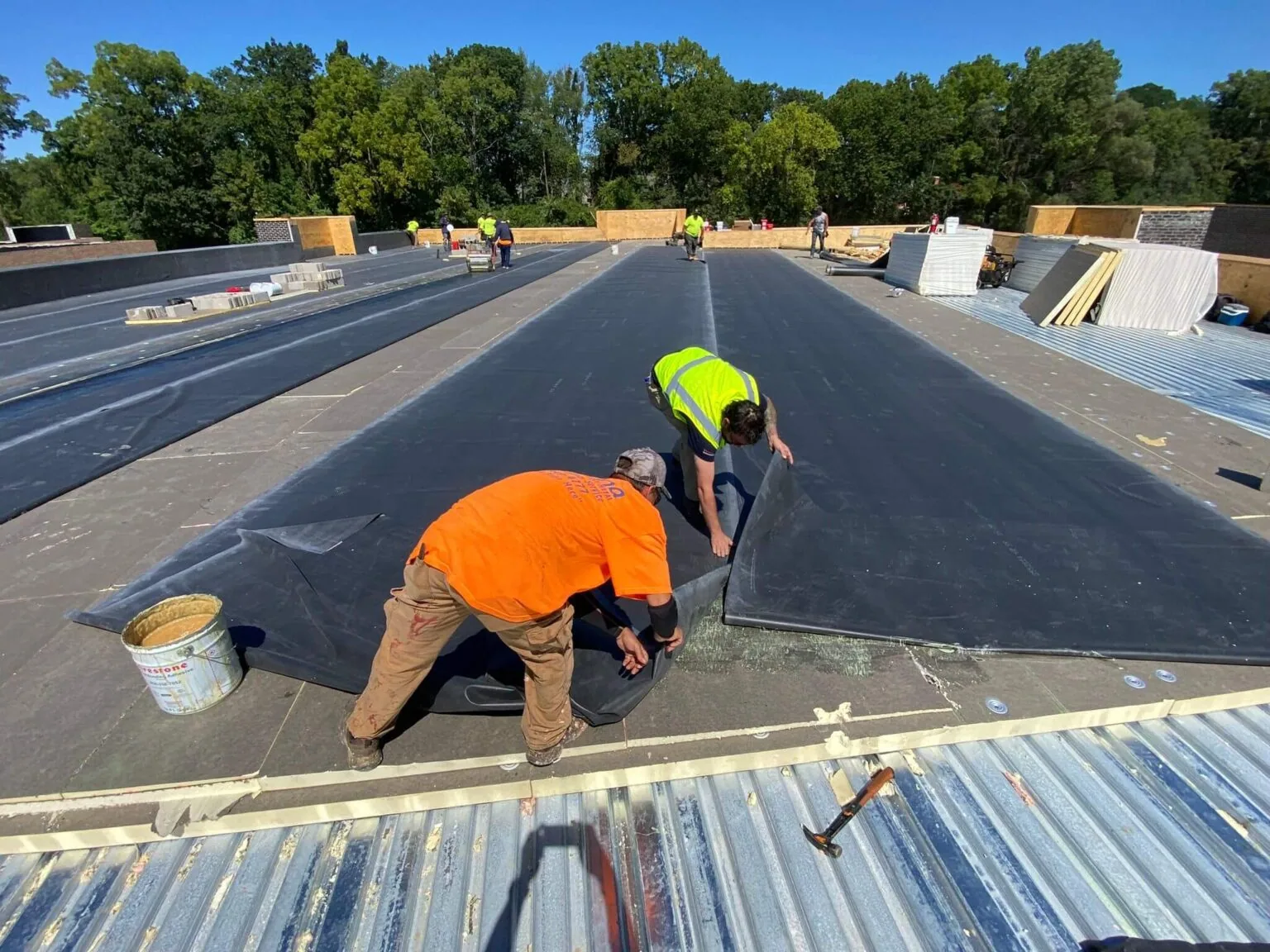
A replacement project or coating may alter the roof assembly and warranty status. The owner should review the existing terms and proposed system before authorizing that work. Any new warranty depends on the manufacturer, installer, system, scope, and written documents. We identify what the roofing proposal includes and leave legal interpretation to the responsible parties.
York County's I-77 South corridor has significant commercial and industrial development. Owners with assets near Riverwalk or other districts may need to maintain separate warranty records for different installations. We use property labels, roof-zone plans, and date references to keep those files from being mixed.
Prepare a Clear Record for a Warranty Request
If an owner reports a leak or material issue, we document the symptom, inspection date, roof area, observed condition, prior repairs, and available photos. A leak investigation can trace water entry and state what remains uncertain. We describe the roof evidence and work proposal without promising an acceptance, reimbursement, or coverage outcome.
A claim package may require notice, inspection access, maintenance documents, photographs, sample retention, or a specific repair method. Requirements vary by contract. The owner should follow the written instructions and confirm questions with the issuing party. We can organize roofing records requested by the owner if they are within the authorized scope.
When a manufacturer's representative inspects, we coordinate access and preserve the date, attendees, areas discussed, and follow-up requests. Their conclusions remain theirs. The property team can then compare the response with the contractor's Diligence Notes and decide what work to authorize.
If emergency stabilization is needed, we document the reason, materials, and exact area protected. A temporary action should not be described as permanent repair unless the written scope confirms that outcome. The owner can keep invoices, photographs, and communications with the warranty file.
Keep Warranty History Connected to Each Roof Asset
For multiple properties, a consistent index can identify building, system, warranty term, issuer, installation date, maintenance requirements, notices, repairs, and current questions. Each entry should point to the underlying document. If a record is missing or the roof system cannot be confirmed, we mark that gap rather than inferring coverage.
A roof asset record can track inspection and repair history, while a condition report can document current observations. Those records support communication but do not replace the warranty terms or decisions by the issuer.
Rock Hill's business districts include industrial users and mixed-use areas. An owner may hold roofs installed at different times and by different contractors. A unified index can make the documents easier to find while retaining the separate warranty conditions and repair records attached to each asset. The owner can use the index to find renewal dates and outstanding notices before planning work.
Share warranty documents, installation records, maintenance logs, project scopes, and open correspondence. We will identify which records are available, document inspection findings, and list the follow-up questions that need manufacturer or installer review.


Questions About Commercial Roof Warranty Management
We can review available documents and describe roof conditions, but the written terms and authorized issuer determine coverage. We do not promise a warranty decision or reimbursement.
Keep the warranty, system description, installation documents, maintenance notes, repair scopes, photos, notices, and correspondence together under the correct building and roof area.
The owner should check the warranty's notice and repair requirements and contact the issuer when the terms call for it. Urgent stabilization and permanent repair should be clearly documented as separate work.
For several locations, available records can be organized by property, system, issuer, and maintenance step. Each roof retains its own terms, history, and unresolved questions.
Organize a Commercial Roof Warranty File
Share the warranty, system and installation records, maintenance logs, repair history, photos, and any open correspondence. We will organize roof observations and identify records or decisions still needed.