
Self-storage roof repair and maintenance in Rock Hill, SC, for metal and low-slope buildings, unit rows, drainage details, and phased facility work.
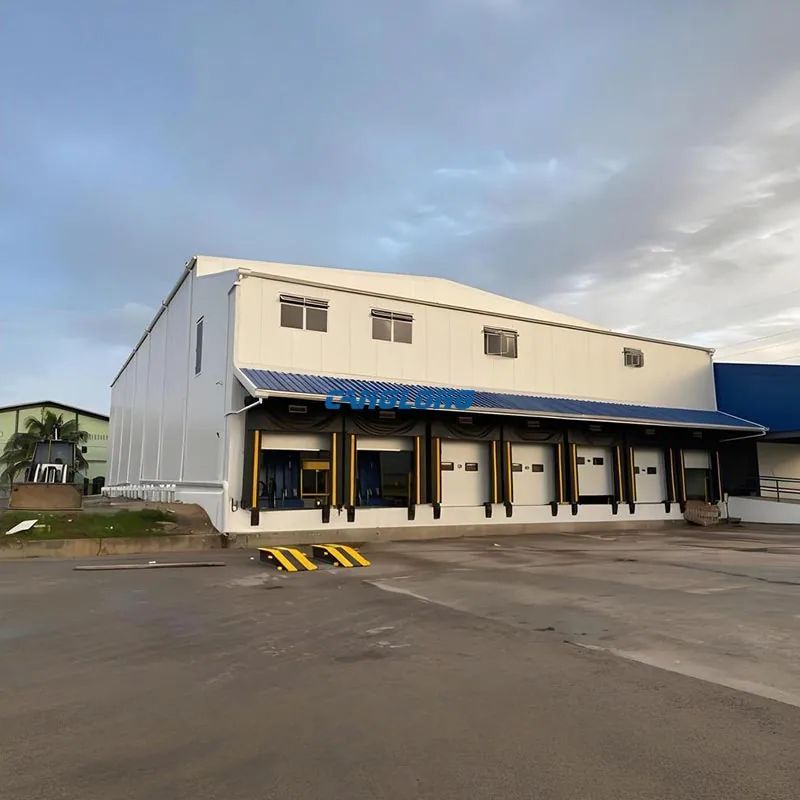
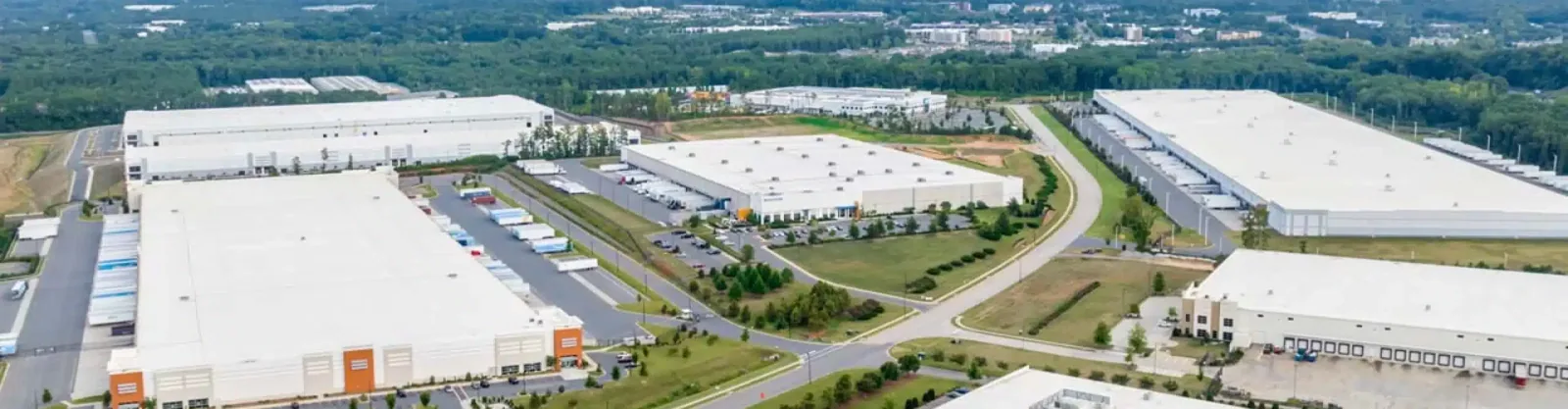
Water reaching a storage unit can affect tenant property before an exterior leak is easy to see. Self-storage roofing in Rock Hill, SC, starts with the affected row, roof type, and a safe access plan. We compare the unit location with the roof layout, then inspect seams, fasteners, panel laps, drains, and shared walls. York County's I-77 South corridor sees rising warehouse and distribution demand, and Riverwalk Business Park includes manufacturing, distribution, and office uses. Those local building patterns make clear roof zones and delivery access useful planning details. Riverwalk and Legacy Park are commercial settings in the wider market, while each storage property requires its own scope.
Find the Unit Row and Roof Bay
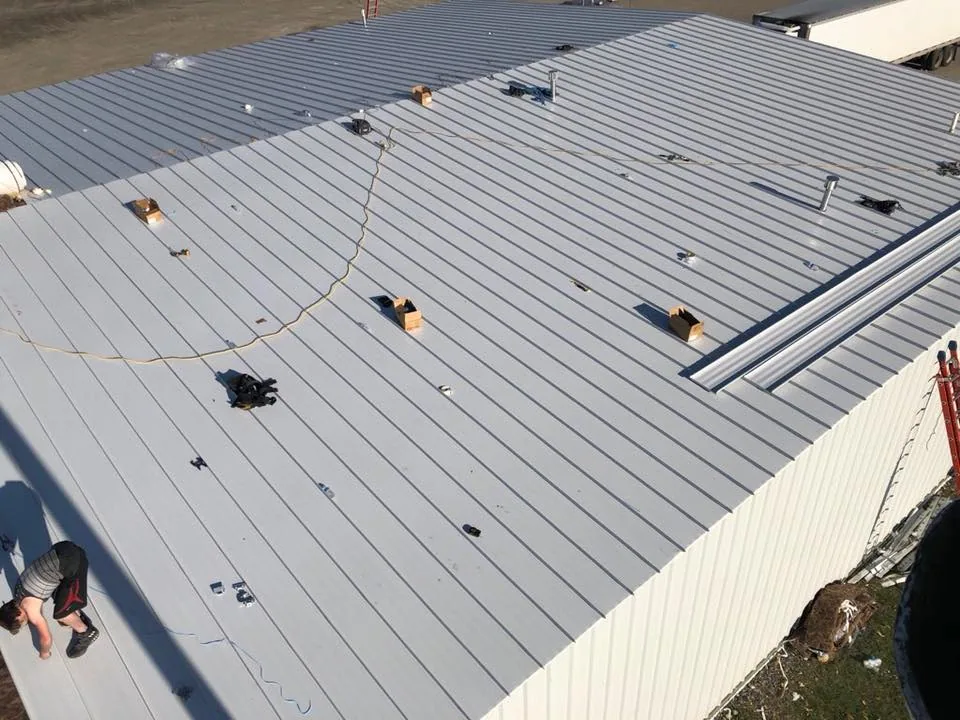
Start with the unit number or row, the date the water appeared, and whether the tenant reported damp contents, ceiling marks, or water at the door. Match that information to the roof plan and inspect the corresponding zone plus nearby transitions. On a metal roof, examine panel laps, fasteners, ridge and eave details, and penetrations. On a low-slope assembly, inspect membrane seams, curbs, drains, and perimeter flashing. A leak can move along a purlin or deck before it becomes visible inside.
Many storage properties contain repeated bays, but age, slope, fastener pattern, and repairs can differ between phases. Identify the section that was actually inspected and avoid applying one observation across every row. Use photographs that show both the close detail and its position on the building. A roof inspection can note access limits, test points, and where the next visit should focus. If the tenant has already moved belongings, coordinate any interior review through the manager rather than entering a rented space without authorization.
Follow the Path Past Doors and Partitions
Water can move inside a roof assembly and emerge at a fastener, partition, or ceiling seam several units away from the opening. Inspect the exterior detail above and around the reported area, then compare the interior location with the roof structure. Check whether water followed a wall, purlin, electrical route, or insulation joint. Keep tenant contents outside the work area, and identify any unit that needs temporary protection before a test opening.
Moisture mapping can help define a wet zone, while a small test cut can show the layers directly. Neither method should be presented as a full-roof result unless the sampled area supports that conclusion. Record the location, assembly found, and closure method. If a panel fastener has backed out, inspect adjacent fasteners and the lap rather than replacing one screw without checking the surrounding condition. A repair scope should name the row and roof bay, list temporary protection, and identify the unit access the manager must arrange.
Keep Water Moving Away from the Rows
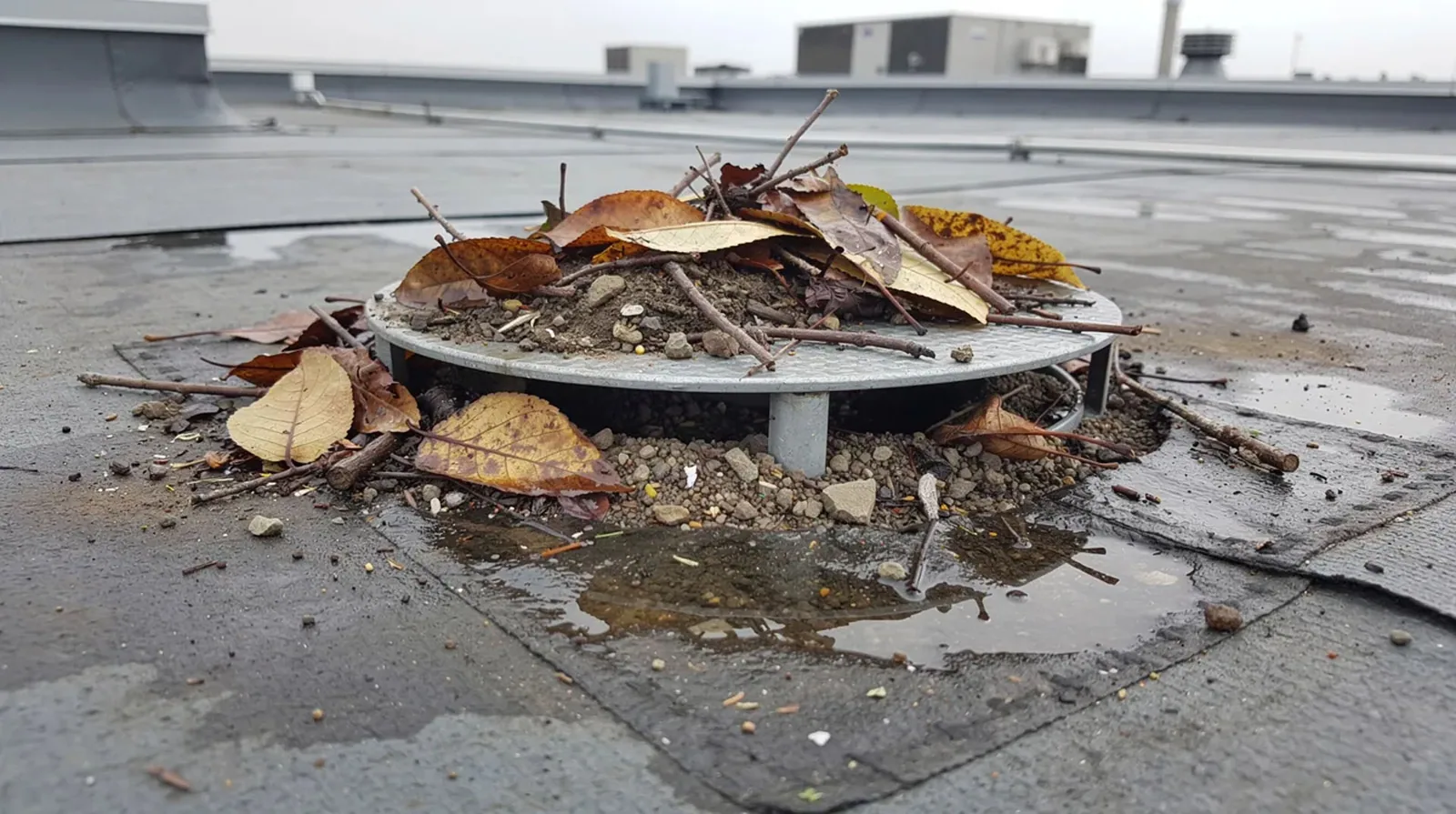
Drainage performance matters where long roof runs collect runoff from repeated storage bays. Inspect gutters, downspouts, scuppers, drain bowls, crickets, and discharge points for blockage or separation. A clogged outlet can expose seams and laps to standing water, while a disconnected downspout may direct runoff toward doors, paving, or a neighboring unit. The report should distinguish a debris issue from a low area or failed outlet that needs repair.
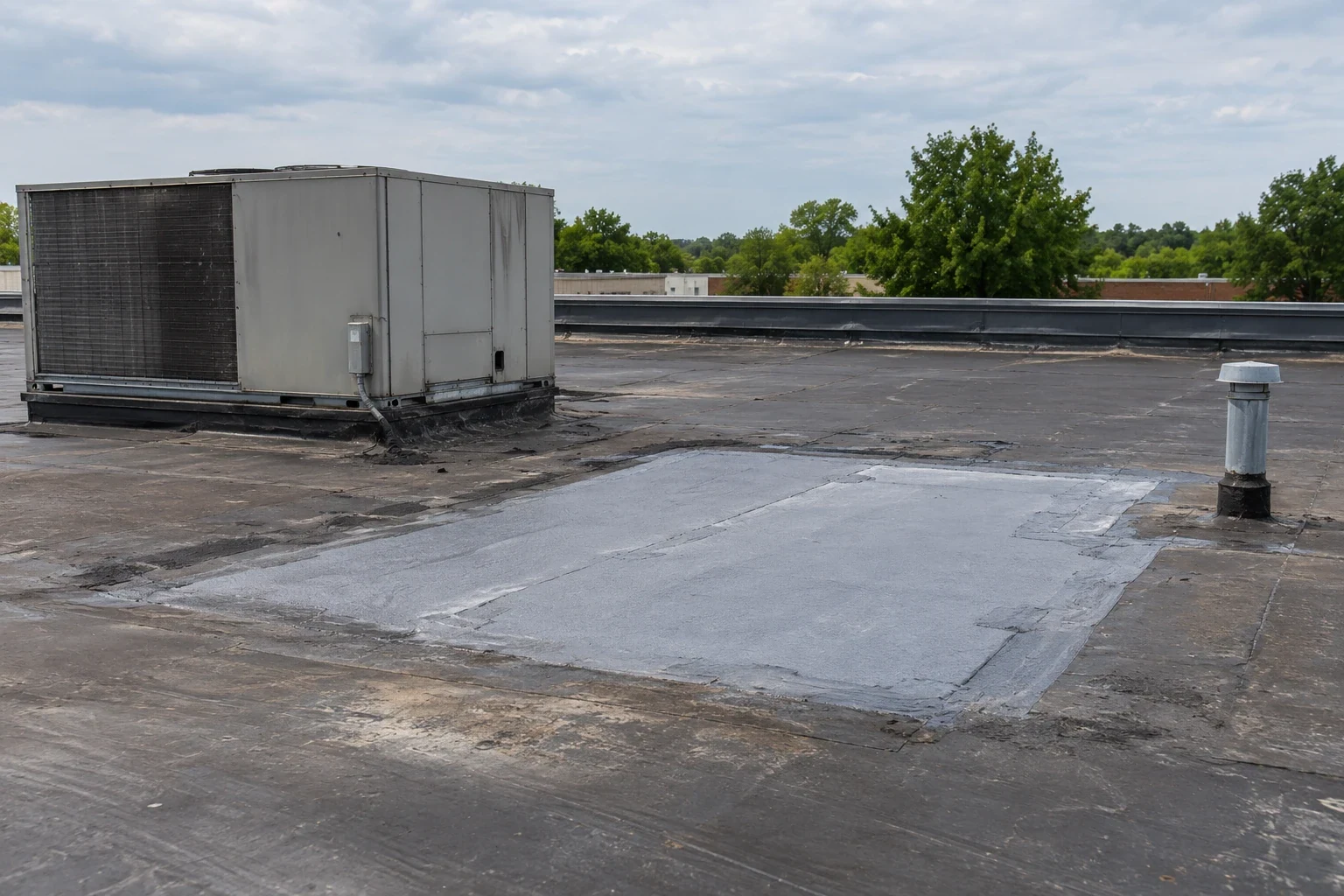
Where repairs involve sheet metal, sealant compatibility, fastener spacing, and panel movement matter. On a membrane roof, patch materials need to match the existing system and be detailed at laps and penetrations. Avoid covering a wet substrate or bridging a moving joint without a repair design. Drain and scupper repairs can address the outlet and surrounding membrane together. A warehouse roof assessment shares similar drainage questions, but storage units have separate tenant access and inventory concerns to keep in the work sequence.
Schedule Work Around Tenants
Confirm the unit row, gate schedule, delivery route, lift position, and tenant notification plan before mobilizing. A repair may require temporary closure of one access lane or moving a vehicle from a work zone. If material is lifted over occupied units, establish the exclusion area and protect contents below. A property manager should control entry to rented spaces; the roofing crew needs a clear roof access point and an authorized contact for changes.
For a multi-building property, sequence work so open sections can be secured before the crew shifts to another structure. Set a daily closeout point that covers debris removal, temporary weather protection, fastener pickup, and a walk of affected unit rows. After-hours calls can receive emergency attention, but the first step remains safe access and a defined temporary-protection boundary. Emergency roof response can stabilize an active leak while the permanent scope is documented and approved.
Compare Repeated Bays by Condition
Rock Hill’s warm, humid Carolina Piedmont sees regular rainfall, and York County appears in the regional hail and tornado record. Those conditions make post-storm checks and drainage maintenance sensible, but they do not prove a specific building was damaged. Record loose panels, displaced edge metal, punctures, debris, and new interior reports by building and roof section. Compare the findings with prior photographs before expanding the repair across a whole row of similar-looking units. Tenant communication is part of the repair boundary. Identify which row will be noisy or temporarily unavailable, where customers can walk safely, and whether a vehicle must be moved before equipment arrives. If water affected stored property, the facility manager should keep tenant communication and roofing photographs in their respective records. The roof report can show the observed entry path and work performed without making conclusions about contents the crew did not inspect. After the repair, compare the same unit row following suitable weather and record whether the reported condition returned. If it did, reopen the investigation at the prior repair edge and adjacent details instead of applying a wider patch without checking the assembly. A repair closeout should name the materials installed, roof zone sealed, fasteners or laps checked, and any return visit still required. Give the manager a simple area reference that can be matched to the site map, plus photographs before and after work. That record helps staff respond consistently if the same tenant row reports water again.
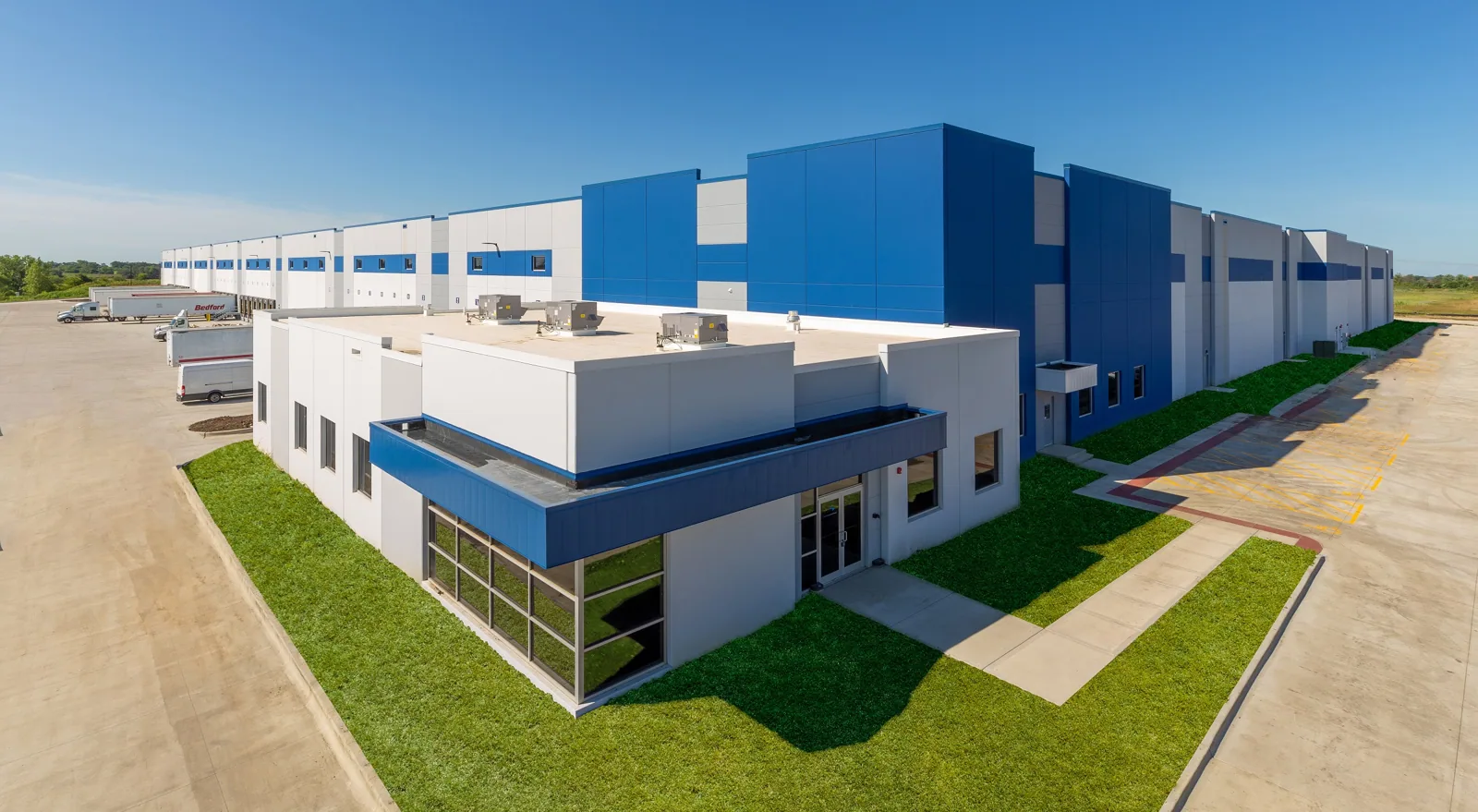
For a portfolio with several phases, maintain a roof map that records system type, visible repairs, test locations, and restricted areas. Note which fasteners or seams need a repeat check and when the manager should review them. When several small repairs recur in one section, compare the cost drivers for continued repair with a full assembly review. Distribution-center roofing can involve broader loading operations, while storage facilities need unit-by-unit communication and protection. A maintenance program keeps those visit records together.
Questions About Self-Storage Roofing
Give the row or unit, date, conditions observed, roof plan, and permission for any interior access. We compare that location with the roof bay above it and document whether the opening is confirmed.
Only if the inspection shows the same condition across that boundary. Repeated bays can still have different phases, repairs, or fastener patterns, so the scope should follow observed evidence.
We identify the unit below, agree on access with the manager, move or cover contents as authorized, and plan how the roof will be closed before the opening begins.
Possible paths include loose fasteners, panel laps, penetrations, ridge details, or drainage edges. Inspection checks the detail and its surrounding area before selecting compatible repair materials.
A recurring leak pattern, multiple failed laps, wet insulation, or widespread attachment concerns can justify mapping a larger area. We report what was tested and what remains unknown before comparing options.
Inspect a Storage Facility Roof
Send the unit row, building plan, roof type, leak history, gate and delivery schedule, and tenant-access process. We will check the roof zone, note any temporary protection, and define the repair area supported by the inspection.